The Trend is Asian
Fueled by midnight screen cravings, Indian diners are finally ditching cheap instant packets for the fierce, authentic flavours of real Asian street food, writes SAKSHI PRIYA
Late night TV binges usually end in sudden hunger. For millions of young Indians streaming Korean dramas, that hunger points directly to the spicy red broth eaten outside a Seoul convenience store. The cultural export is impossible to ignore. People watch characters slurp instant noodles by the Han River and suddenly their local neighborhood takeout choices feel completely inadequate. This screen-induced craving laid the groundwork for an absolute boom in authentic Asian dining across India.
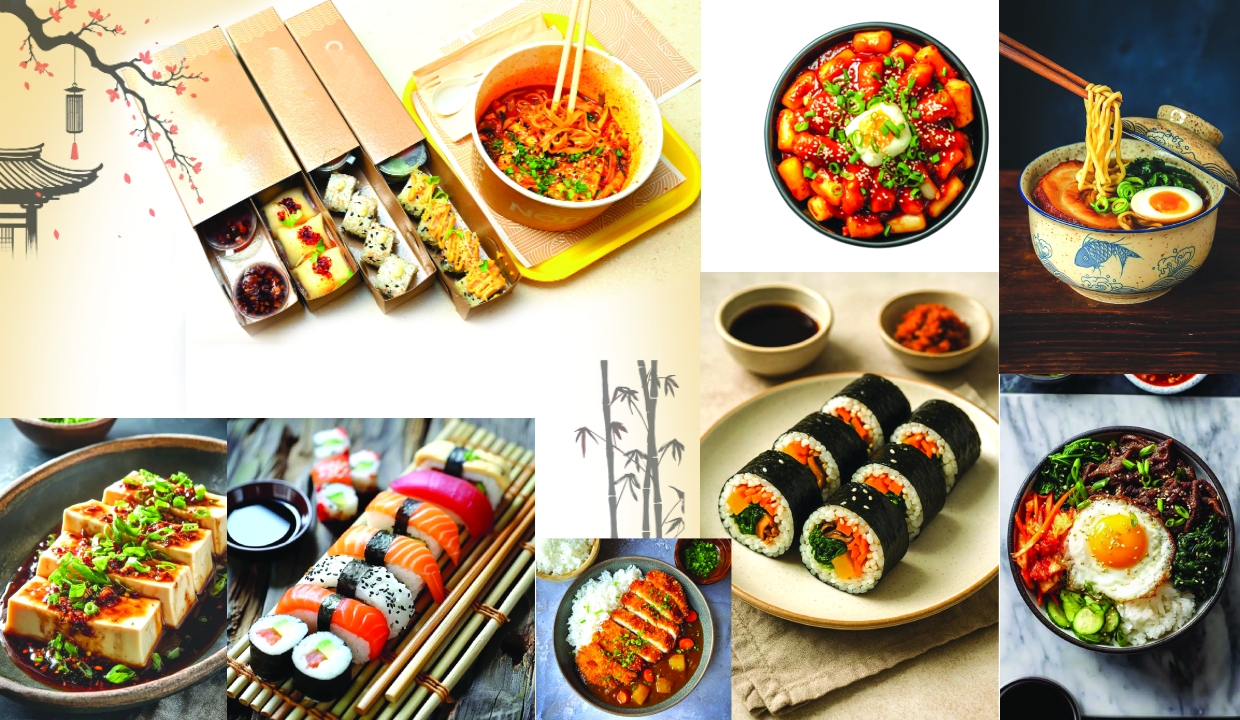
The same obsession spills straight into Japanese cuisine. Catch anyone fresh off a flight from Tokyo and they will talk your ear off about Ichiran. People come back talking about those tight, quiet wooden stalls where they drank rich pork broth until the bowl was dry. It is more than just a quick meal now; it is about knowing how to eat it right. Diners treat the side dishes with just as much respect. Nobody just gets the noodles anymore. You have to get a side of pan-fried gyoza, making sure to drag them through black vinegar first. Then there’s the chicken karaage, a quick squeeze of lemon cuts right through the fat, and you wash the whole thing down with a freezing cold Japanese beer. The local crowd has finally figured out these everyday rituals. They expect a properly cured, soft-boiled egg to melt into their soup, knowing exactly how the dish is supposed to taste.
For years, satisfying that specific craving in India meant facing two bad options. You could pay absurd hotel prices for a good meal, or you could boil a salty packet of instant noodles at home. The middle ground simply did not exist. Urban professionals wanted actual depth of flavor, but they lacked the two hours required for a sit-down dinner on a random Tuesday.
Shivang Gupta and Ruhi Gupta recently opened NŌDO in Delhi's Khan Market to address this nationwide shift. It is a grab-and-go kitchen built to serve premium Asian food in under seven minutes. Shivang explains that they realized people still crave quality food, but they do not always have the time for a traditional dining room experience.
Rather than offering an overwhelming diner-style booklet, NŌDO keeps it ruthlessly simple. They operate out of three defined spaces, which are a sushi counter dubbed The Tokyo Street, the Dimsum Lab, and a custom ramen station. Seafood lovers usually point straight to the baked dynamite or the classic spicy tuna. On the flip side, the kitchen treats vegetarian orders with equal respect, serving up massive asparagus tempura rolls packed tight with rich cream cheese. The dim sum selection is equally punchy. You can get cream cheese mixed with chili oil, a Thai nutty vegetable dumpling, or juicy charcoal chicken.
But the ramen really steals the show. Has anyone ever managed to finish the Kimchi Umami bowl without breaking a sweat? That fermented soup base delivers a serious chili kick. If you prefer a richer soup, they spend hours boiling down a classic tonkotsu. They also serve a notoriously hot Seoul fire buldak and a really well-balanced Thai coconut curry. You dictate exactly what goes into the bowl. Pick your noodle base first, then load up on the add ons. People tend to go all in, asking for cuts of fresh salmon, crab meat, cubes of tofu, and those soy marinated eggs with yolks that melt straight into the hot liquid. What really surprised me is how they handle the non-meat options. The kitchen managed to recreate all eight of their rich broths into purely vegetarian formats that sacrifice absolutely zero flavor. NŌDO follows strict traditional prep, using alkaline water for their noodles to prevent the heavy stomach feeling that comes with cheap supermarket packets.
This focus on precision shows exactly how far the local palate has evolved. Augusto Cabrera, the Head Chef at BOYA, witnesses this shift daily. He points out that Japanese cuisine grew rapidly here because people are finally chasing refined, global experiences. They want the freshness and craftsmanship that Tokyo is famous for. Interestingly, Cabrera notes a massive surge in Nikkei cuisine too. Diners want the real deal, but they also want to see chefs experiment with bright Peruvian ingredients.
While a Japanese kitchen leans into quiet structure, a Korean table is total, beautiful chaos. You rarely see anyone ordering just one main dish anymore. Tables are completely covered in tiny plates. You will probably fight over the last piece of tteokbokki. They drown these thick, chewy rice cakes in a spicy red sauce that is just so yummy. People literally grab crispy seaweed rolls to mop the plate clean. Then there is the japchae. Every single table seems to order a massive portion of these slippery glass noodles, which arrive hot, coated in roasted sesame oil, and mixed with thinly sliced vegetables. And when Delhi hits peak summer heat, hot soup gets entirely replaced by mul naengmyeon. Slurping cold buckwheat noodles from a freezing, tangy broth feels like hitting a reset button. Japanese menus are seeing a similar shift toward shared grazing. Diners now match dry sake with charred yakitori skewers, or order plates of raw sashimi alongside agedashi tofu, letting the fried bean curd soak up all that warm, savory dashi.
We are watching an entire generation change its daily eating habits. Getting food quickly no longer forces you to accept something heavily processed or fried. The demand for absolute authenticity has finally hit the mainstream takeout market, leaving traditional restaurant owners rushing to figure out their next move.