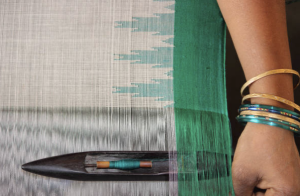
The living silk knot
Every hand knot carries a story no machine ever could
A single knot of silk holds the weight of a century. When Partition divided the subcontinent, SD Nirula crossed from Bannu to Delhi with a quiet determination to protect India’s handwoven legacy.
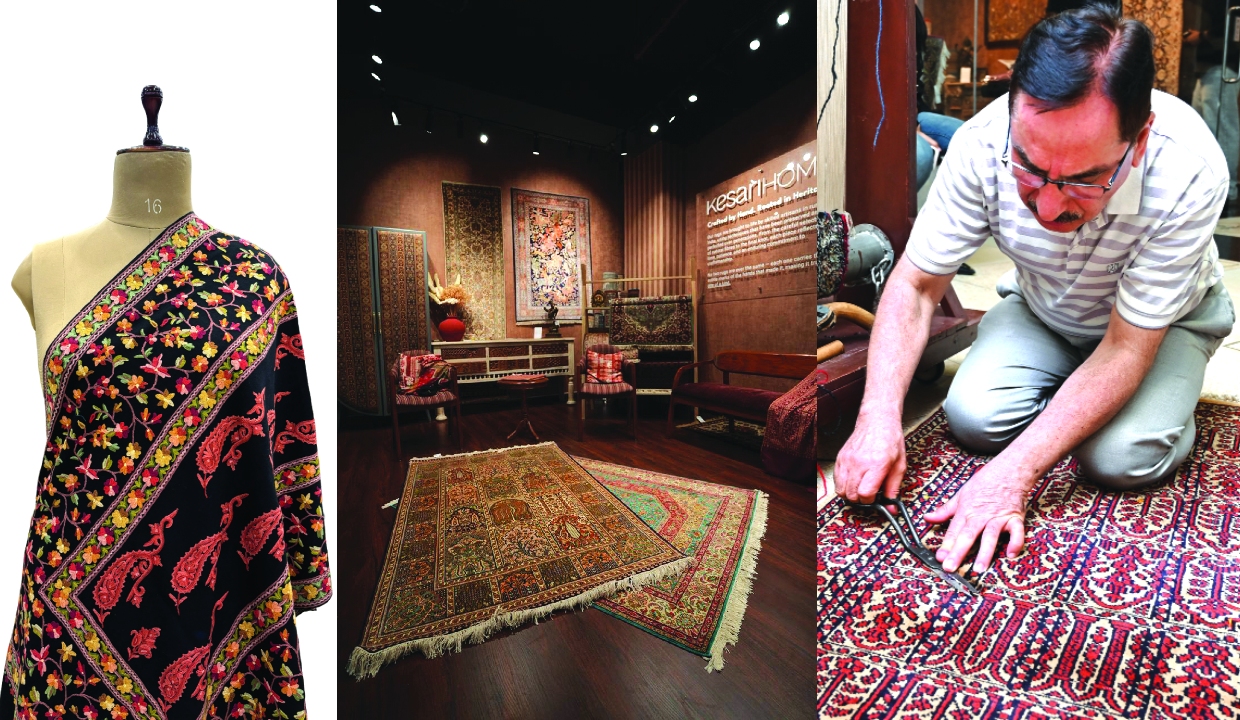
Decades later, curator Sunayana Chibba framed an evening of live santoor music around walls draped in intricate, hand-knotted wool and silk rugs. These carpets take months to finish, with thousands of individual threads mapping generations of regional folklore.
At the center of the room sat Nazir, a Kashmiri master weaver operating a traditional loom. His fingers secured each live hand-knot with rhythmic precision. “How do you sustain this craft when the world moves so fast?” a voice asked over the wooden thud of his tools.
He pointed toward the half-finished Nizam pattern resting on his loom. Every single color used, he explained, carries the distinct memory of his ancestors. Machines will print flawless rugs in minutes, but they will never capture the deep sorrow hidden behind these traditional woven flower designs.
Nazir detailed a quiet crisis. Societies frequently fail to support the artists responsible for keeping history alive. These gifted creators face a forced silence, operating with zero stage left to stand on as cultural heritage spaces vanish.
With their recent inauguration at The Kunj in New Delhi, Kesari Home provides that missing platform. By funding the India Vision Foundation and partnering with rural families, Archana Nirula ensures human artistry survives intact. Will we let this heritage fade into machinery, or will we finally give these masters the stage they deserve?