Tech trail: How India is shrinking the world for fugitive criminals
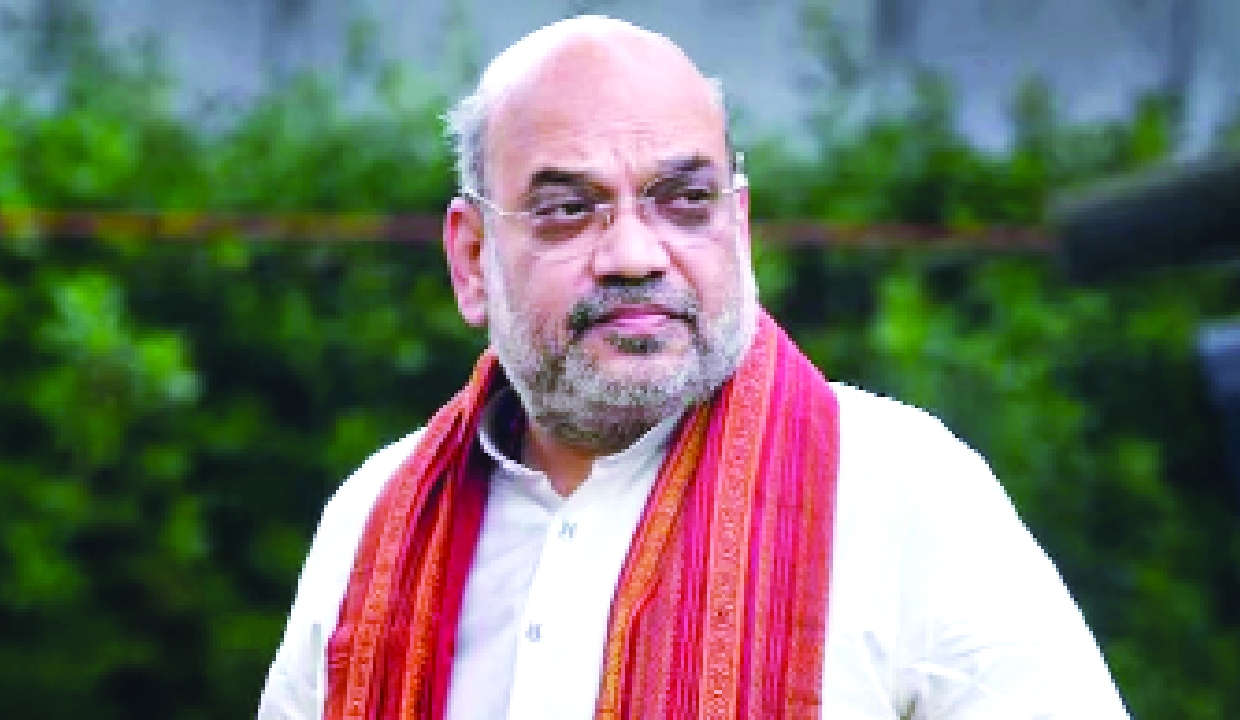
Since 2019, India has brought back 274 fugitive criminals from 36 countries. In 2018, Prime Minister Modi introduced the Fugitive Economic Offenders Act to help with these efforts. Under Home Minister Amit Shah’s guidance, India now uses a coordinated approach that relies on intelligence and technology to find fugitives and bring them back.
Before 2014, India maintained extradition treaties with 37 countries but lacked dedicated laws for economic fugitives or asset seizure. From 2004 to 2013, the country averaged four successful extraditions annually, with 110 requests pending. Key challenges included incomplete documentation, procedural delays, legal barriers such as double jeopardy and dual criminality, and poor inter-agency coordination.
The Government has since prioritised extradition, focusing on international cooperation, agency coordination, and diplomatic engagement. Addressing fugitive offenders is considered essential for safeguarding sovereignty, the economy, law and order, and national security.
Foreign courts frequently rejected extradition requests because of incomplete paperwork and procedural delays. Legal obstacles, including double jeopardy and dual criminality, led to further denials. Poor coordination between departments hindered information sharing, fugitive tracking, and the issuance of Red Corner Notices.
Union Home Minister Amit Shah described a strategy based on global outreach, coordination, and diplomacy. Fugitive offenders are seen as threats to sovereignty, economic stability, law and order, and national security. The NIA (Amendment) Act and UAPA (Amendment) Act were passed in 2019. Since 2020, efforts to bring fugitives back have increased, now targeting not just banned organisations but also individual terrorists, handlers, funding networks, and support systems abroad.
Recent changes have strengthened India’s capacity to pursue fugitives and dismantle their networks. Three new criminal laws include provisions for fugitive offenders. Sections 355 and 356 of the Bharatiya Nagarik Suraksha Sanhita (BNSS) now permit trials in absentia, allowing judicial proceedings to continue without the accused present.
India hosted the 90th Interpol General Assembly in 2022. In January 2025, the Government launched BHARATPOL to enhance coordination and information sharing among the CBI, State Police Headquarters, and District Police Headquarters. Over 1,400 State and Central agency units are now connected, reducing response times and improving the efficiency of investigations and extradition processes.
Enforcement of the Prevention of Money Laundering Act (PMLA) has intensified, resulting in the seizure of assets worth Rs 17,874 crore from fugitive criminals between 2019 and 2026. The Central Bureau of Investigation (CBI) established a Special Global Operations Centre for real-time collaboration with international police via Interpol. Interpol Contact Officers have been appointed in every State and Central agency to strengthen coordination with foreign counterparts.
India has increased the number of Interpol Red Corner Notices issued in recent years: 40 in 2022, 100 in 2023, 107 in 2024, 112 in 2025, and 182 so far in 2026. Operation Trishul was launched to locate absconding criminals using satellite data, surveillance, and digital footprint analysis. Technology and profile mapping have enabled agencies to identify fugitives who changed identities abroad. Video conferencing has accelerated extradition proceedings. In the last three years, Red Corner Notices have been issued for 401 fugitives.
Extradition requests are now standardised and include written assurances tailored to each country’s legal requirements. Returned fugitives include individuals wanted for terrorism, organised crime, financial offences, drug crimes, murder, rape, and offences under the Protection of Children from Sexual Offences (POCSO) Act.
India’s extradition efforts address cases related to terrorism, pro-Khalistan extremism, links between gangsters and terrorists, drug trafficking, cyber fraud, and counterfeit currency. The extradition of Tahawwur Hussain Rana from the United States demonstrates ongoing legal and diplomatic engagement in complex terror cases. In Jammu and Kashmir, fugitives abroad have supported terrorism, narco-terrorism, and cross-border networks. Sustained legal, diplomatic, and follow-up measures enable the return of fugitive offenders.
Within India, these efforts involve coordination among the Intelligence Bureau, Central Bureau of Investigation, Research and Analysis Wing, National Investigation Agency, Enforcement Directorate, Ministry of External Affairs, Narcotics Control Bureau, Directorate General of Goods and Services Tax Intelligence, and State Police forces. The establishment of a Standing Focus Group under the Multi Agency Centre (MAC) of the Intelligence Bureau in January 2026 marks a significant step in strengthening India’s fugitive management system.