Supreme Court uses pedestrian safety to signal a new era of civic accountability
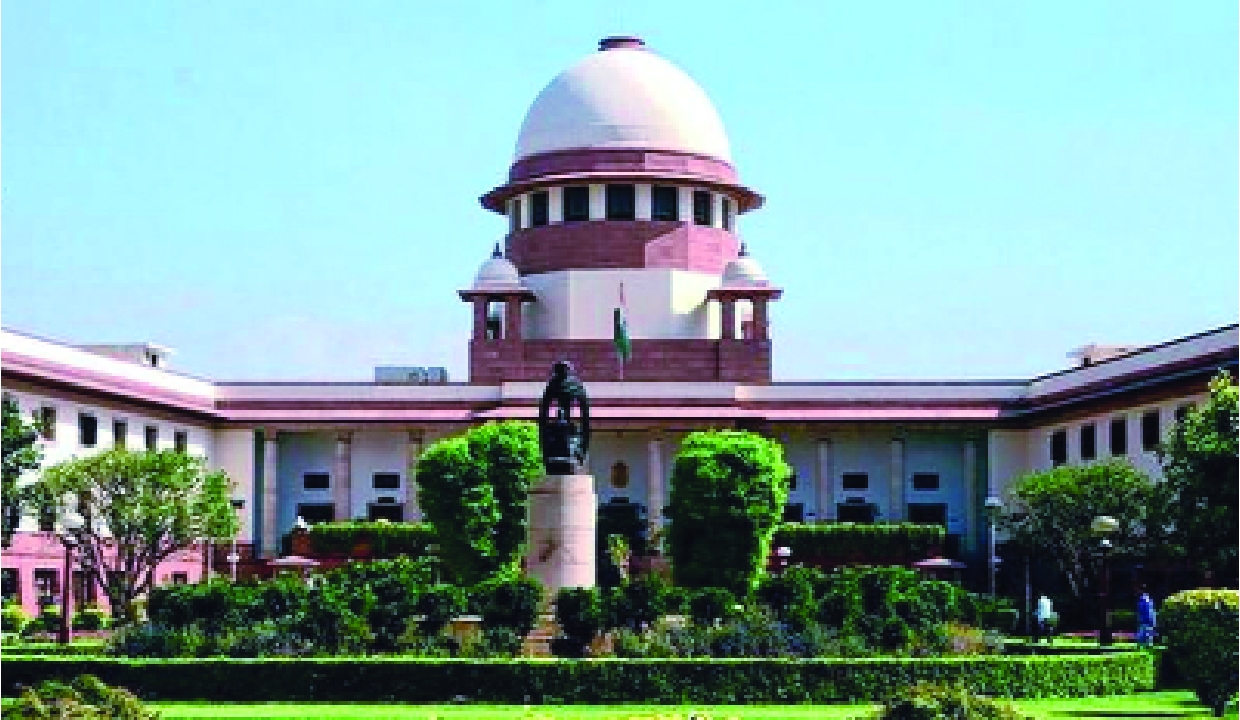
The Supreme Court, on June 19, 2026, delivered a judgment declaring the “Right to Walk Safely on Demarcated Footpaths” as a Fundamental Right under the Constitution.
The 13-page verdict starts on a very emotive tone: “Like any young father, the appellant lovingly readied his five-year-old son and left home at 9 am to drop him at the neighbourhood school. Who could have ever imagined that it would be the last walk with his son? As the father and son were walking towards the school, a tanker came from behind and struck the boy, crushing his waist and lower body. He succumbed to the injuries.”
The judgment continued: “Take it for granted, there was neither a footpath nor a pedestrian crossing.” “Accidents like this continue to occur; perhaps they are inevitable till we restructure our rights regime as regards access to roads and recognise their correlative duties. Till then, we will continue to cope with these tragedies by routinely transforming them into FIRs and Motor Accident Claims. We are not referring to road safety, for this Court is deeply concerned about it and is, in fact, monitoring the implementation of safety guidelines. “The issue is something more fundamental, and it is in recognition of the simplest of the simple human activity- ‘Walking ‘. While the right to walk is inextricably connected to life, our Constitution recognises and guarantees it as a fundamental right - “All citizens shall have the right to move freely throughout the territory of India,” the judges wrote.
The Supreme Court used this heartbreaking story to expose a massive flaw in how our cities are built. For decades, urban planning has prioritised cars and bikes while completely ignoring the people who walk. The judges pointed out that society has become numb to these tragedies.
Instead of fixing the dangerous roads, we simply turn a person’s death into police paperwork and insurance claims. The Apex Court refused to let this continue, stating that safe walking is a basic human necessity that cannot be treated as an afterthought. Moved by this tragic loss of life, the Top Court delivered a historic and landmark judgment. It officially declared that the “Right to Walk Safely on Footpaths” is a Fundamental Right under the Constitution. The judges ruled that the freedom to move freely across the country is completely meaningless if a child cannot even walk to school safely.
By anchoring this right under Article 19 and Article 21, the Supreme Court made it a mandatory duty for local Governments to build and protect safe walkways for every citizen. To make this right a reality, the Supreme Court strongly attacked the “elitism of wheels.” The judges criticised urban planning for always prioritising cars and bikes over people who walk.
The Supreme Court declared that a pedestrian’s right is primary and must come before motorised vehicles. It shifted the focus from merely managing traffic to protecting human dignity, demanding that walkers be treated as equal citizens rather than obstacles on the road.
The Apex Court did not just give a lecture; it issued strict orders to back it up. It directed the Union Ministries to create a brand-new legal framework to protect pedestrians. It also ordered the creation of a specialised regulatory body to design and enforce safe walking spaces. Most importantly, the judges ruled that citizens can now take local municipal bodies to court if their neighbourhood footpaths are missing, broken, or blocked. This historic judgment does not just stop at road safety. It serves as a sharp reminder to Government authorities about several other basic rights that have been ignored for decades.
By focusing on the “simplest of simple human activities,” the Supreme Court has opened the door for citizens to demand accountability in all areas of daily life. Just like safe walking, access to clean drinking water, breathable air, and unpolluted surroundings are vital parts of the Right to Life under Article 21.
Yet, millions of citizens still face toxic air quality, open sewage, and broken civic infrastructure every single day. Government agencies often treat these basic survival needs as secondary issues rather than constitutional guarantees.
By holding local municipalities directly accountable for missing footpaths, the Supreme Court has set a powerful precedent. It sends a clear message to the state: public infrastructure is a fundamental right, not a charitable favour.
This ruling reminds authorities that they cannot continue to escape their duties by hiding behind a lack of funds or bureaucratic delays when the lives of citizens are at stake.
To guarantee these basic rights for every citizen, the media and the judiciary must work together as powerful watchdogs. The media has a crucial role to play in keeping these issues alive. Instead of moving on after a tragedy, journalists must consistently expose broken infrastructure, question local leaders, and give a voice to affected citizens.
By keeping the spotlight on Government failures, the media can create public pressure that forces authorities to act.
State High Courts can act as the immediate shields for citizens on the ground. Since they are closer to local realities, High Courts can use this Supreme Court ruling to take direct action against negligent municipalities in their respective states. Crucially, the High Courts do not need to wait for a citizen to file a case; they can take up these dangerous civic failures suo motu-on their own initiative-as a matter of top priority. They can pull up local bodies, demand progress reports on civic projects, and penalise officials who fail to maintain safe public spaces.
Meanwhile, the Supreme Court must continue to act as the ultimate guardian of these rights. Like the High Courts, the Apex Court can also intervene suo motu on a national level whenever it spots widespread disregard for pedestrian safety or other basic survival needs like clean air, safe water, and livable conditions. It needs to monitor how its orders are being implemented across the country, so they do not just remain on paper.
By stepping in aggressively when Governments fail to comply, the highest courts ensure that constitutional promises translate into real, life-saving changes on Indian streets. Ultimately, this short and crisp verdict bridges the gap between a deeply painful human tragedy and powerful constitutional law. It serves as a stark warning to local municipalities that safety is no longer an optional luxury. By turning the simple act of walking into a protected fundamental right, the Supreme Court has ensured that no other father should have to lose their child to the systemic neglect of our roads.
Writer is a senior journalist covering legal affairs; Views presented are personal.