Supreme Court directs High Courts to prioritise bail pleas amid rising pendency
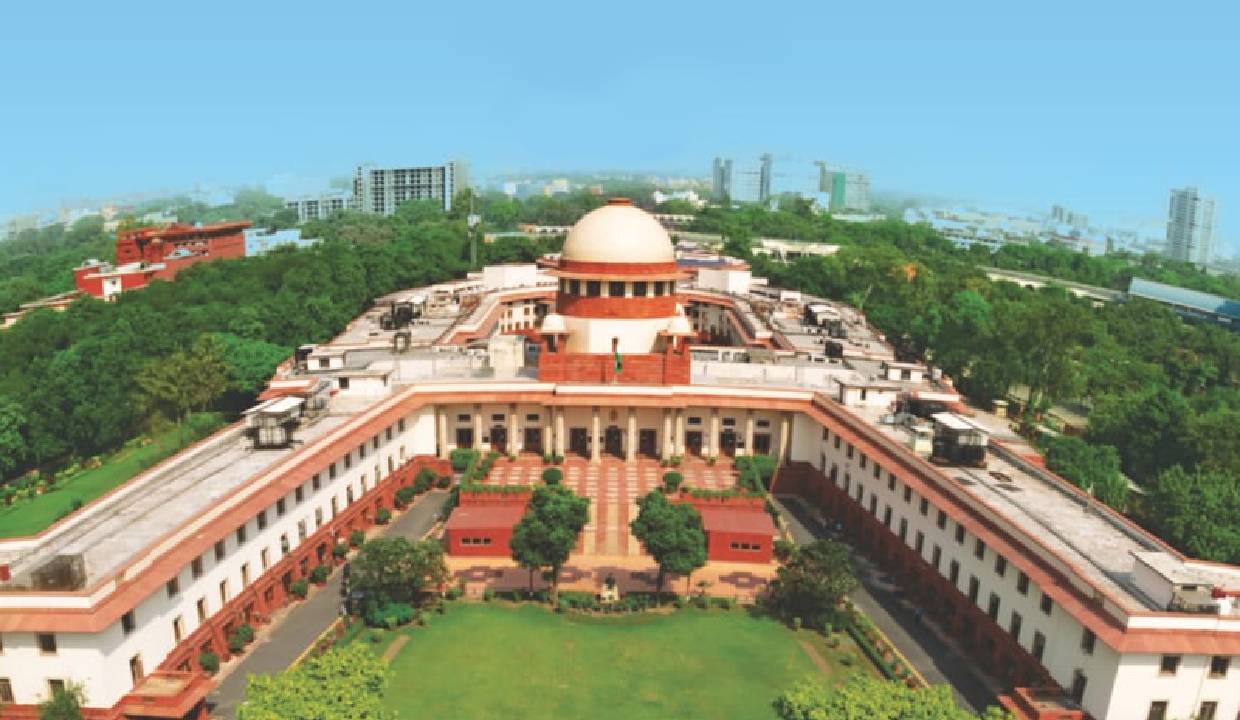
The Supreme Court of India issued a series of directions to High Courts across the country to ensure speedy disposal of bail applications, expressing concern over mounting pendency and delays in hearing bail matters.
A bench comprising Chief Justice of India Surya Kant and Justice Joymalya Bagchi observed that delays in bail hearings continue to remain a serious issue in several jurisdictions, particularly the Allahabad and Patna High Courts.
“Patna and Allahabad High Courts are the most problematic,” Chief Justice Surya Kant remarked during the hearing while laying down guidelines for the expeditious disposal of bail pleas.
The bench clarified that the observations were not intended as criticism but were aimed at improving judicial efficiency and protecting personal liberty.
The top court was hearing a matter in which it had earlier sought details from all High Courts regarding pending bail applications. While acknowledging that most High Courts had provided data and initiated steps for timely hearings, the bench flagged the “alarming” pendency levels in some courts.
Referring specifically to the Allahabad High Court, the Supreme Court noted that the “pendency is too large” despite judges hearing “hundreds of cases in a day”.
To streamline the process, the apex court directed High Courts to list bail applications either weekly or fortnightly. It also suggested the introduction of an automatic relisting mechanism every two weeks if a bail plea remains unheard.
The court further ordered that fresh bail applications should ordinarily be listed on alternate days or within one week of filing.
In another procedural reform, the bench directed that status reports must be filed before the first hearing of bail matters. Lawyers filing bail applications will also have to mandatorily serve copies of the plea to the office of the Advocate General or designated agencies.
The Supreme Court also directed that the existing practice of issuing notices at the admission stage in bail matters should generally be avoided to prevent unnecessary delays.
Emphasising the importance of personal liberty, the bench said courts have a “solemn duty” to safeguard fundamental rights.
The court also expressed concern over delays in forensic reports despite the establishment of forensic science laboratories across states. Chief Justices of High Courts were asked to raise the issue with state authorities to ensure timely submission of FSL reports.
In victim-centric cases, the Supreme Court observed that investigating officers must understand that lapses or delays in investigation could eventually lead to the grant of bail to accused persons.
The bench stressed that High Courts and investigating agencies must work in a “collaborative approach” to ensure timely disposal of bail applications without compromising victims’ rights.