Speculations grow on health of Iran’s Mojtaba Khamenei
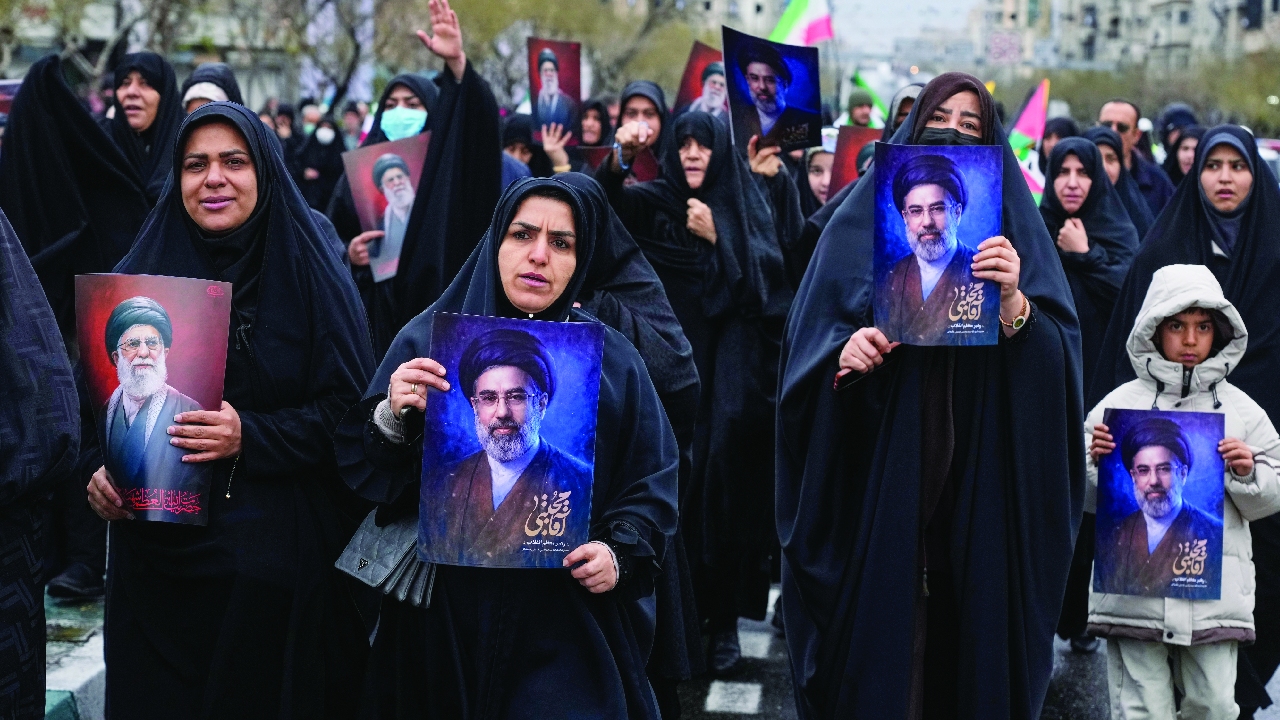
Iran’s newly appointed Supreme Leader Mojtaba Khamenei has taken center stage in the ongoing West Asia conflict, following the death of his father, Ayatollah Ali Khamenei, in a joint US-Israel strike on February 28. Mojtaba has not appeared publicly since assuming office, with his first statement delivered in writing via State television. In it, he vowed to continue Iran’s missile and drone attacks on Israel and neighbouring Gulf States, and to maintain the closure of the Strait of Hormuz, a vital route for global oil shipments.
US Defence Secretary Pete Hegseth said Khamenei “is wounded and likely disfigured,” though no evidence was provided. Israel also suspects he was injured at the start of the war.
Israeli Prime Minister Benjamin Netanyahu, addressing the conflict, stated that the joint US-Israel campaign is “going better than expected” and emphasised Israel’s strength.
Responding to questions about targeting Khamenei and Hezbollah leader Naem Qassem, Netanyahu said, “I wouldn’t take out a life insurance policy on any of the leaders of the terror organisations.” He highlighted that the strikes, part of campaigns codenamed Roaring Lion (Israel) and Epic Fury (US), aim to foil Iran’s nuclear ambitions, dismantle its missile programme, and weaken regional proxies, while leaving regime change to the Iranian people.
Netanyahu said Israel is actively targeting Revolutionary Guards and Basij forces, reshaping the Middle East and Iran’s military landscape. On diplomacy, he praised his alliance with US President Donald Trump and hinted at new regional partnerships, describing them as breakthroughs that would have seemed unimaginable weeks ago.
Mojtaba Khamenei’s statement and the ongoing strikes signal continuity in Iran’s confrontational policy, while his health and public absence continue to draw speculation from both regional and international observers.