
'Yagna' on JU campus sparks row; teachers' body opposes religious activities on premises
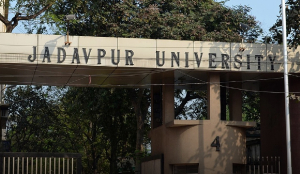
A symbolic "yagna" organised on the Jadavpur University campus by RSS-affiliated Bharatiya Mazdoor Sangh (BMS) has triggered controversy, with a teachers' association opposing religious programmes on the premises, saying it could spark competitive events by other groups.
The "yagna" was organised on Friday in front of the administrative building, Aurobindo Bhavan, as part of a BMS protest against alleged "administrative irregularities" in the university. The organisation alleged the registrar and finance officer had continued in their posts despite completing their tenures and crossing the age of 60, depriving younger people of jobs.
BMS said the ritual was conducted to pray for the university's overall development and the "awakening of good sense" among the administration, and would symbolically remove "negative influences" affecting the authorities.
University Officiating Registrar Selim Box Mondal, however, objected to the lighting of fire in front of an old heritage building without prior permission and submitted a report to the vice-chancellor, JU sources said. A section of students also raised concerns, with some engineering students saying they would complain in writing to Vice-Chancellor Chiranjib Bhattacharya.
The organisers defended the programme, saying that if rallies and meetings could be held on campus without causing damage, there should be no objection to a "yagna" either. The Akhil Bharatiya Vidyarthi Parishad (ABVP) backed the organisers, citing alleged past "Azadi" sloganeering by Left student bodies on campus, and said the ritual was also meant to symbolically "purify" the campus.
The Jadavpur University Teachers' Association (JUTA) strongly opposed the "yagna", calling it unprecedented on campus. While the campus has historically hosted events such as Saraswati Puja, Vishwakarma Puja and Iftar gatherings, JUTA said a ritual organised as a specific religious prayer was fundamentally different and could open the door to competing demands from other religious groups. It questioned whether authorities could then deny permission to others.
The association said the controversy was diverting attention from pressing problems facing the university, including a shortage of research funds, deteriorating buildings and inadequate resources for repairs, and appealed to all sections of the university to refrain from such activities in academic areas while classes are on.