
Tihar inmate Matthew VanDyke seeks American diet, cites food concerns
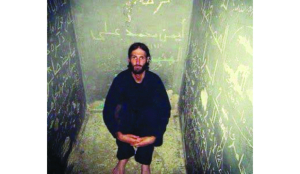
In a Delhi courtroom on Wednesday, Special Judge Prashant Sharma heard an unusual request: a US citizen accused in a high-profile terror conspiracy case wanted an “American diet” while lodged in Tihar Jail. His lawyers told the court that Matthew Aaron VanDyke had been on a hunger strike for roughly 50 days, surviving mostly on soy milk and liquids because he could not stomach the spicy, oily, and deep-fried meals served to inmates in the jail.
The court heard that Tihar prison officials plan to respond to the plea, but the National Investigation Agency (NIA) chose not to comment for now. The next hearing is set for July 21. VanDyke, 47, stands out among detainees. He was born in Baltimore in 1979 and has degrees in political science and security studies. He became well known as a documentary filmmaker and international security analyst, often working in war zones. He travelled alone by motorcycle across North Africa and the Middle East, spent time with US troops, and in 2011 joined Libyan rebels fighting Muammar Gaddafi. After being captured near Brega, he spent almost six months as a prisoner of war, much of it alone in Tripoli’s Abu Salim prison. He later shared his story in the film Point and Shoot, which won Best Documentary at the Tribeca Film Festival.
Afterwards, VanDyke founded Sons of Liberty International (SOLI), a non-profit that trained fighters against ISIS in Iraq and has supported Ukraine since 2022. He says he stands against authoritarian regimes.
On March 13, 2026, India’s National Investigation Agency arrested VanDyke and six Ukrainians. They are accused of using India, including Mizoram, as a route to Myanmar, where they allegedly trained ethnic armed groups in drone use and warfare. The NIA claims these groups are connected to insurgents in India’s Northeast. The charges fall under the Unlawful Activities (Prevention) Act (UAPA), including conspiracy related to terrorism.
VanDyke and the others have been in Tihar Jail since early April. In court, he has appeared in a wheelchair, reportedly due to an injured leg and declining health. His family and supporters are concerned about his condition, noting his poor eyesight and general weakness.
Recently, his lawyers, Rohit Dandriyal and Rohit Gour, asked the court to allow VanDyke to follow an American-style diet for humanitarian reasons. They explained that his usual eating habits and difficulty with Indian prison food have led him to a liquid-only hunger strike since May. He has reportedly been surviving on soy milk and juices, which have caused significant weight loss, weakness, and a weaker immune system. System.
The plea states that his family is willing to pay for the special diet. On July 6, the court asked the NIA to respond. By Wednesday, Tihar officials said they would reply within a week.
This case highlights the practical issues of housing foreign nationals with special dietary needs in Indian prisons. Indian jails often allow religious and medical diets. Still, VanDyke’s request for an “American diet,” likely meaning blander, protein-focused Western meals, has drawn attention because of the serious charges he faces. His lawyers say it is a basic humanitarian issue related to his health, while some critics see it as another demand from a high-profile foreign accused.
The NIA and prison officials have not yet given a formal response. VanDyke’s custody has been extended, most recently until early August. The investigation into the alleged drone-training network continues. His lawyers have also raised concerns about consular access and family communication in earlier hearings. For now, the court is deciding whether Tihar will allow a special diet for the American who once survived Gaddafi’s prisons and is now struggling with Indian prison food.
With the July 21 hearing approaching, VanDyke’s diet could become both a legal and humanitarian issue. His dramatic life story is now taking another turn in an unexpected place.