
Shah unveils LPMS platform for tech-driven border security
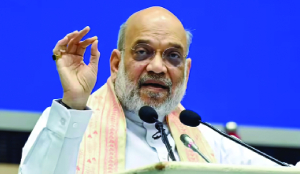
In the national Capital on Tuesday, diplomacy and infrastructure converged through two parallel moves that underscore India’s renewed focus on its 4,096-km eastern frontier with Bangladesh. As the 57th Director General-level Border Coordination Conference between the Border Security Force (BSF) and Border Guard Bangladesh (BGB) enters its second day (June 8-11), Union Home Minister Amit Shah inaugurated the Land Port Management System (LPMS), a flagship digital platform designed to overhaul land border management at India’s 13 operational land ports.
Official statements described the LPMS launch as a “step towards modern, technology-enabled smart border management.”
The system brings together real-time data analytics, automated clearance, and better surveillance to make trade smoother and address cross-border risks. This move fits with Shah’s idea of a “smart border project” that uses drones, radars, sensors, and AI-driven monitoring in BSF-guarded areas. The goal is to make operations more transparent, reduce manual work, and improve detection of smuggling, infiltration, and counterfeiting.
At BSF headquarters, DG Praveen Kumar (IPS) is leading the Indian team in talks with BGB chief Major General Mohammad Ashrafuzzaman Siddiqui. This four-day conference, which has been held twice a year since the two forces started working together, comes at a sensitive moment. India wants stronger action against illegal migration, cattle smuggling, drug trafficking, arms movement, and gaps in the border fence, especially in West Bengal, where land issues have caused delays.
Bangladesh is expected to bring up concerns about alleged ‘push-in’ incidents and reported border deaths. These tensions have already appeared in local meetings, including recent standoffs with civilians at the Panchagarh-Thakurgaon sector.
The timing of these steps is important because they indicate a broader shift in how India manages its eastern border. By digitising port operations at places like Petrapole and Hili, the LPMS adds a digital layer of security and trade management to the existing physical barriers.
Security experts see these changes as part of a bigger strategy. The BSF is moving beyond traditional border guarding, incorporating civil administration and technology into its approach. Shah recently announced a ‘quadrangular security grid’ that is being tested along the Bangladesh border, where economic and security interests sometimes clash. If it works, the LPMS could cut clearance times by up to half, help legal trade, and disrupt smuggling networks, as long as Dhaka cooperates.
For India, these talks are a chance to agree on joint patrols, faster intelligence sharing, and a strong position against insurgents and traffickers. BSF officials say the agenda also covers updating procedures for fence repairs, the use of drones, and handling accidental crossings. “Overall, today’s events in Delhi show that border management remains a top priority, one that integrates security and governance”, said a senior official.
When the conference ends on June 11, a joint statement is expected to confirm ‘zero tolerance’ for crime and ‘mutual respect’ on humanitarian issues. This would support the main message of coordination. For Home Minister Amit Shah, launching the LPMS marks a stronger, technology-focused strategy for the eastern border.