
Cabinet approves Ahmedabad Metro phase 2(A) extension worth ₹2,169 crore
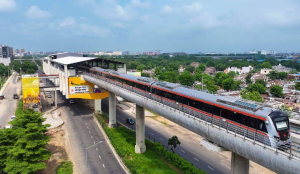
The Union Cabinet, chaired by Prime Minister Narendra Modi approved Phase 2(A) of the Ahmedabad Metro Rail project, a major infrastructure initiative aimed at enhancing urban connectivity in Gujarat’s largest city.
The approved project includes a 6.032-kilometre extension of the metro network, improving connectivity between key residential, commercial, and transportation hubs. The expansion will seamlessly integrate with the existing Ahmedabad-Gandhinagar Metro corridor, further strengthening public transport infrastructure in the region.
According to an official statement, Phase 2(A) will feature five stations, including four elevated stations and one underground station. The stations are Ashram Road, Koteshwar Prachin Mandir, Sabarmati River, Sardar Nagar, and Airport.
With the completion of this phase, the Ahmedabad-Gandhinagar Metro network will expand to a total length of 77.63 kilometres, significantly improving accessibility and reducing travel time for commuters.
The total project cost, including Interest During Construction (IDC), has been estimated at ₹2,169.04 crore.
Officials said the metro extension is expected to play a crucial role in supporting future urban development and improving connectivity to major destinations, including the airport and emerging commercial zones. The project is also expected to complement infrastructure development planned ahead of major international sporting events such as the World Police Games 2029 and the Commonwealth Games 2030.
The government stated that the project will boost economic activity, promote tourism, and enhance ease of mobility for residents and visitors alike.
In addition to infrastructure benefits, the metro expansion is expected to generate substantial employment opportunities. Around 2,000 jobs are likely to be created during the peak construction phase, while approximately 500 people are expected to be employed during the operation and maintenance of the system.
The Ahmedabad Metro Phase 2(A) project marks another significant step in the city's ongoing urban transformation and efforts to build a sustainable, efficient, and modern public transport network.