
Who was Sajjan Kumar, the three time MP who died serving life for 1984 riot
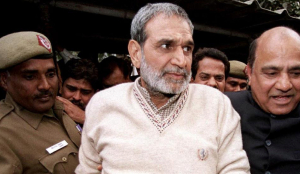
Sajjan Kumar spent his final years in a jail cell, serving two life sentences for the 1984 anti-Sikh riots. He died on Thursday, August 20, at age 80, after his health collapsed in Tihar Jail. He was rushed to Safdarjung Hospital, but doctors could not revive him. He died on Rajiv Gandhi's birth anniversary.
For close to four decades, his name stayed tied to one of the darkest chapters in independent India's history. Indira Gandhi was assassinated by her own bodyguards on October 31, 1984. What followed was retaliatory violence that killed more than 3,000 Sikhs across the country. Delhi bore the worst of it, over 2,700 dead. Kumar was then a sitting MP from Outer Delhi and a rising force in the party. He was accused of leading and inciting the mobs.
A Congress career built from the ground up
Long before the riots defined him, Kumar was just another local politician working his way up. He began as a municipal councillor from Nangloi. He became general secretary of the Delhi Pradesh Congress Committee in 1977. He won his first Lok Sabha seat in 1980, then two more, in 1991 and 2004. He built a real base in outer Delhi as a Jat leader people trusted. Colleagues who knew him back then remember him as tough and hands on, someone the party could count on.
When the courts finally caught up
For years, that standing seemed to shield him. But in a scathing judgment on December 17, 2018, Delhi High Court judges said Kumar had escaped justice for over three decades because of political patronage. The court overturned a 2013 acquittal and convicted him of conspiracy and abetment in the killing of five Sikh men and the burning of a gurdwara in Palam Colony's Raj Nagar. He was handed life imprisonment for the rest of his natural life, the most significant conviction of a senior politician in a 1984 riots case at that point. The verdict called the violence a crime against humanity. Kumar quit the Congress the very next day. The party had stood by him for decades. It cut ties almost instantly.
That wasn't the end of it. On February 25, 2025, another court sentenced him to a second life term, this time for killing Jaswant Singh and his son Tarundeep on November 1, 1984. The case had been reopened by a special investigation team set up back in 2015. He was cleared in a couple of other related cases earlier this year too, but it made no real difference. He was already behind bars for life on the other convictions.
A slow, quiet fade from politics
His political decline actually started earlier than people remember. Congress dropped him for the 2009 Lok Sabha election, the first time in his career, and put up his brother Ramesh instead. Ramesh won that seat but lost the next one in 2014, closing the book on the family's run in electoral politics. By the time the high court convicted him in 2018, Kumar's grip on Delhi Congress had already loosened considerably.
At the time he died, his lawyers still had a plea pending before the Supreme Court against his 2018 sentence, and a parole application happened to be listed for hearing that same day. His wife had also gone to the apex court separately, asking to see him on medical grounds.