
Hormuz reopening eases risks, but supply recovery will be slow and costly: S&P
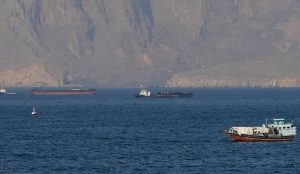
The reopening of the Strait of Hormuz following a preliminary understanding between the United States and Iran has reduced immediate risks for global markets, but supply chains are likely to remain fragile and costly, according to S&P Global Ratings.
In a report released, S&P said the agreement to reopen the strategically important waterway would lower the risk of major disruptions across the Asia-Pacific region. However, the agency cautioned that restoring energy and trade flows to pre-conflict levels could take time due to shipping bottlenecks, higher insurance costs, port congestion and operational challenges.
While crude oil prices have fallen below USD 80 per barrel and liquefied natural gas prices have eased following the US-Iran understanding, S&P noted that physical markets have not fully recovered. The ratings agency expects energy, freight and input costs to remain elevated in the near term, affecting sectors such as petrochemicals, transportation, logistics and agriculture.
S&P maintained its Brent crude oil forecast at an average of USD 110 per barrel for the remainder of 2026, before declining to USD 80 in 2027 and USD 65 from 2028 onwards. The agency said unresolved issues, including Iran’s nuclear programme, sanctions relief and regional security concerns, continue to pose risks.
The report highlighted South Asia’s vulnerability to supply disruptions, particularly in fertilisers and energy. India, one of the world’s largest importers of urea, relies heavily on Gulf suppliers, while several neighbouring countries depend on imported fertilisers and gas-linked production.
According to S&P, sourcing supplies from alternative regions such as North Africa, Russia, China or Europe would be more expensive and slower, potentially increasing food prices and subsidy burdens if supply shortages coincide with adverse weather conditions.
The agency also warned that central banks across the region may face difficult policy choices between controlling inflation and supporting economic growth amid continued uncertainty in global energy markets.