
Ganesh Chaturthi: From Modak to Naivedya
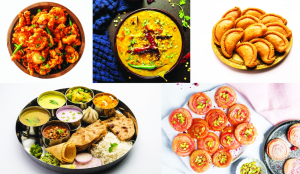
Ganesh Chaturthi is one of Maharashtra’s most awaited festivals, and food has always been central to the way it is welcomed and celebrated. The festival may be recognised by clay images of Lord Ganesha, flowers, lamps, aarti and the familiar call of “Ganpati Bappa Morya”, but food is among its most intimate forms of worship. On Monday, September 14, 2026, homes and public mandaps across India will welcome Ganesha on Bhadrapada Shukla Chaturthi, beginning a celebration that in many places continues until Anant Chaturdashi and visarjan on 25 September. Yet before the crowds, music and processions comes the work of the kitchen, where rice is ground, coconut is grated, jaggery is melted and family recipes are brought back into use.
Ganesha occupies a distinctive place in Hindu religious life as Vighnaharta, the remover of obstacles, and as a deity associated with wisdom, prosperity and auspicious beginnings. Ganesh Chaturthi marks his birth and has long been observed through household worship, fasting, offerings and community celebration. In Maharashtra, where the festival acquired extraordinary public prominence, Lokmanya Bal Gangadhar Tilak helped transform Ganeshotsav into a large community celebration in 1893, using collective worship as a space for social and cultural unity. Today, the festival remains equally important within the home and through large public celebrations. Families install Ganesha for different lengths of time, neighbourhood mandaps draw thousands of visitors, and daily naivedya is prepared for worship before being shared with family and visitors.
That idea of naivedya is essential to understanding the cuisine of Ganesh Chaturthi. Food is not prepared only because guests will arrive or because a festival demands abundance. Many dishes are first cooked as an offering, placed before Ganesha and only later shared as prasad. This changes the character of the meal. Ingredients, methods and even family habits may follow ritual preferences, with many homes preparing vegetarian food without onion or garlic. Ganesh Chaturthi arrives during the monsoon, and its cuisine draws on staples such as rice and coconut alongside seasonal gourds, leafy greens, colocasia, legumes and tart fruits. Across western and southern India, the foods prepared for the festival also reflect the produce and cooking traditions of each region.
In Maharashtra, this connection is seen most clearly in Ukadiche Modak. The outer shell is made from rice flour cooked with hot water into a soft dough called ukad. Small portions are pressed into cups, filled with freshly grated coconut cooked with jaggery and cardamom, pinched into delicate pleats and steamed until glossy. Served warm, often with a spoonful of ghee, the modak is both an offering and a test of inherited skill. The filling must remain moist without becoming runny, the shell must be thin without tearing, and the pleats are often learned by watching older family members rather than by following a written recipe. Many households traditionally prepare them in auspicious numbers, and the first batch is offered to Ganesha before being shared.
The same form changes character in Talniche Modak, where the dumpling is fried rather than steamed. A wheat or refined-flour casing gives it a crisp exterior and allows it to keep longer, while coconut, jaggery, nuts or sesame may enrich the centre. Maharashtra’s festive sweet table can also include Puran Poli, whose soft wheat dough encloses a filling of cooked chana dal and jaggery perfumed with cardamom or nutmeg. Rolled carefully and cooked on a hot griddle with ghee, it brings a different texture to the meal. Chirote, another festive preparation, is made from thin layers of dough that are fried until crisp and then dusted with sugar or lightly coated in syrup.
The savoury side of the Maharashtrian table is just as important. Aluchi Patal Bhaji, made from colocasia leaves cooked with gram flour, peanuts, coconut, tamarind and jaggery, balances sourness, sweetness and earthiness while making use of monsoon produce. Careful cooking is important because colocasia must be thoroughly cooked, and the finished preparation becomes soft and well-integrated with the gravy. Ovyachya Panachi Bhajji, made from aromatic Indian borage leaves, commonly known as ova or ajwain leaves, dipped in gram-flour batter and fried, adds a crisp, herbal element to the meal. Katachi Amti, made from the strained cooking liquid of the chana dal prepared for puran, is also an example of a kitchen making thoughtful use of every ingredient. Seasoned with goda masala and a tempering, it becomes a deeply flavoured accompaniment to the festive meal.
As the festival moves down the Konkan coast into Goa, where Ganesh Chaturthi is widely known as Chovoth, coconut becomes even more prominent, while seasonal monsoon produce plays an important part in the Chaturthi thali. Nevri is Goa’s crescent-shaped relative of the karanji, a crisp fried pastry filled with coconut, jaggery or sugar, sesame and aromatic spices. Patoleo offer a softer, steamed contrast. Rice paste is spread across turmeric leaves, layered with coconut-jaggery filling, folded and steamed. As the leaves heat, their fragrance passes into the rice covering, giving the preparation a distinctive aroma while also reflecting the close relationship between festive cooking and locally available plants.
Goa also offers Panchkhaji, a festive assortment of sweet preparations associated with Chaturthi, often built around fried dough, coconut and jaggery and made in different shapes. The Goan Chaturthi meal also has a substantial savoury side, including Khatkhatem, a mixed vegetable stew that may combine pumpkin, yam, raw banana, drumstick and other locally available vegetables with coconut and mild spices. Moong Gaathi, made from sprouted green gram in a coconut-rich gravy, adds body and protein, while Ambadyache Sasav turns tart hog plums into a sweet, sour and mustard-laced preparation. Together, these dishes show how closely the Goan Chaturthi meal is tied to the monsoon and the produce available during the season.
Further south, Karnataka brings its own set of traditional offerings. Modaka or sweet Kadubu may again use a rice-flour covering around coconut and jaggery, but local shaping and steaming traditions give the dumpling its own identity. Panchakajjaya is especially associated with Ganesha worship in Karnataka. Its name refers to a preparation made from five components, with versions combining roasted gram or another pulse, coconut, jaggery or sugar, sesame and ghee. Crumbly rather than syrupy, it is well suited to being offered and distributed as prasad. Karigadubu or Karjikayi brings back the crisp half-moon form, enclosing a sweet coconut filling inside fried pastry.
Karnataka’s savoury festival foods provide a useful balance to the sweets. Kosambari, generally made from soaked split moong or chana dal with grated coconut, cucumber, herbs and a light tempering, is fresh and restrained beside richer offerings. Chakkuli, spirals of seasoned rice and pulse flour fried until crisp, can be prepared in batches for family members and visitors who come through the house during the days of celebration. In coastal households, Patholi reflects the turmeric-leaf steaming traditions also found in neighbouring Goa. The ingredients may be similar across the coast, but their names, proportions and methods often change from one community to another.
In Andhra Pradesh and Telangana, Vinayaka Chavithi brings another set of foods to Ganesha’s naivedyam. Undrallu are among the most characteristic. Rice is coarsely ground or made into flour, cooked and shaped into small dumplings, often with soaked chana dal incorporated into the mixture before steaming. Mild and savoury, they show that offerings to Ganesha are not defined by sweetness alone. Kudumulu appears in several forms, including sweet versions filled or flavoured with jaggery and coconut, connecting the Telugu table to the wider family of steamed dumplings seen across southern India.
The sweet offering Chalimidi is made by combining rice flour with jaggery to produce a soft, dense preparation valued as a traditional naivedyam. Kajjikayalu, also called Garijalu in Telangana, are crisp fried pastries filled with combinations of coconut, sesame, peanuts, semolina or sugar. Their sealed edges hold a fragrant filling that contrasts with the crisp outer shell. Palathalikalu introduces a different texture. Rice-flour dough is shaped into small strands or pieces, cooked in milk and sweetened with jaggery or sugar, often with cardamom. Regional chutneys made with seasonal ingredients, including Tummi Aaku Pachadi and tart Chintakaya Pachadi, can add sharper flavours to the wider Vinayaka Chavithi meal.
In Tamil Nadu, Vinayagar Chaturthi offers another regional expression of the rice-flour dumpling tradition. Pooranam Kozhukattai encloses coconut and jaggery inside a steamed rice-flour shell and is closely associated with the festival. Beside it sits Kara Pidi Kozhukattai, a savoury version in which seasoned rice flour is shaped by hand and steamed, often carrying the impression of the fingers that formed it. Navadhanya Sundal, prepared from a mixture of pulses or legumes tempered with mustard, curry leaves and coconut, provides a savoury offering that is also distributed as prasad. Steaming, rice and pulses remain central, but the form and seasoning are distinctly Tamil.
Drinks served with the festival meal also vary considerably from region to region. In Goa, Sol Kadhi, prepared from kokum and coconut milk and lightly seasoned, can accompany the Chaturthi thali, its cooling tartness balancing fried sweets and coconut-rich vegetables. In Telugu homes, Panakam offers a different combination, with jaggery dissolved in water and flavoured with cardamom and black pepper, sometimes with a hint of ginger. Fresh buttermilk, where customary, may be lightly seasoned after a substantial festive meal, while fruit juices or simple milk may be taken by those observing forms of fasting.
Taken together, these dishes show how a shared ritual tradition changes from region to region. The modak of Maharashtra, kadubu of Karnataka, kudumulu of Telugu-speaking regions and kozhukattai of Tamil Nadu are not simply different names for the same preparation. Each reflects local ingredients, techniques and preferences. Rice flour may be steamed in one home, fried in another, wrapped in turmeric leaves elsewhere or shaped into savoury dumplings. Coconut and jaggery may become a filling, a crumbly prasad or part of a leaf-steamed sweet. Monsoon vegetables, pulses and sour fruits further connect the festival meal to the regions in which it is prepared.
That is why preserving the cuisine of Ganesh Chaturthi requires more than remembering a list of recipes. A family tradition survives when someone learns how the modak dough should feel under the palm, how tightly a turmeric leaf should be folded, how a grandmother balanced jaggery against tamarind, why a particular pulse is soaked before dawn, and why food is offered before anyone tastes it. Younger generations should inherit not only the finished plate but the knowledge behind it. In this sense, India’s homes, kitchens and festivals can become an intergenerational classroom, where knowledge is passed naturally from one generation to the next through participation, observation and shared experience. Cuisine has a particularly important place in this process because every recipe carries something of a region’s geography, season, ritual practice and family memory. Inviting younger members of the family into the kitchen, allowing them to shape imperfect modaks, grind coconut, fold leaves and listen to the stories attached to each preparation helps ensure that these practices continue beyond a single generation. When Ganpati returns each year, keeping these traditions alive means ensuring that younger generations do not simply enjoy the festive meal, but learn how and why it is prepared. In doing so, Ganesh Chaturthi can continue to pass its culinary knowledge, family memories and cultural traditions from one generation to the next.
The writer is Secretary, Cuisine India Society; Views presented are personal.