
EV policy mandates public charging stations at all authorised dealership
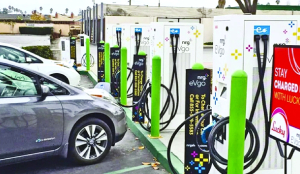
Delhi’s new Electric Vehicle Policy goes significantly beyond purchase subsidies, mandating that every authorised EV dealership in the city establish at least one public charging station within six months of the guidelines being notified.
Apart from that, a minimum of three charging points for two-wheelers and three-wheelers and two for four-wheelers, as part of a comprehensive ecosystem framework covering manufacturing standards, grid planning, battery recycling, and skills development.
According to a statement issued by the chief minister’s office, the policy’s eligibility requirements for vehicle incentives are tied directly to domestic manufacturing. Models seeking subsidies must be manufactured in India and comply with PM E-DRIVE, FAME-II, Phased Manufacturing Programme, and Production Linked Incentive requirements, including domestic manufacturing or assembly of critical components such as battery packs, battery management systems, motors, controllers, and chargers. This means imported or non-compliant vehicles will not qualify for Delhi’s purchase incentives regardless of whether they are electric.
“Model approvals have been given a defined timeline. A dedicated committee, which will include an expert from a recognised vehicle-testing agency, will verify safety, performance, and localisation requirements and either approve a compliant application or communicate deficiencies within seven working days. This is designed to give manufacturers and dealers predictability rather than open-ended approval processes,” it said.
On charging infrastructure, Delhi Transco Limited has been designated to plan the network at a city level rather than through isolated individual projects. DTL will aggregate locations, expected demand, and electricity load requirements across government agencies; conduct system-level siting and grid-readiness assessments; and set operating standards for approvals, timelines, uptime, and service quality across the network.
A single-window digital monitoring platform will manage site onboarding, approvals, monitoring, and reporting for charging projects, addressing delays that have historically held back charging rollouts across Indian cities. The platform will also support faster clearances and electricity connections for public and semi-public charging and battery-swapping stations.
The policy plans charging where vehicles are actually used and parked, rather than only at dedicated public stations. This includes community charging facilities in RWAs and group-housing societies, dedicated infrastructure for electric buses and trucks at government sites, EV-ready electrical capacity in new public infrastructure, and exploration of energy storage and time-of-day tariffs to reduce costs and manage grid load.
Regarding batteries, the Delhi Pollution Control Committee has been tasked with facilitating battery collection centres through a public-private partnership model. DPCC will establish procedures for safe
collection, storage, and transportation of batteries, monitor manufacturer compliance with Extended Producer Responsibility requirements, and promote unique battery identifiers for traceability, refurbishment, second-life use, and eventual recycling. Battery circularity is framed as a core part of the transition rather than an afterthought.
On skills and employment, original equipment manufacturers must disclose their dealer and service networks and maintain adequate after-sales facilities across the city.