
Delhi approves new EV policy: Electric cars under Rs 30 lakh exempt from road tax, registration fees
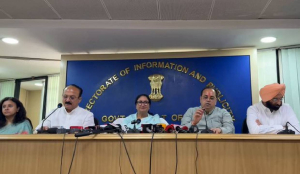
The Delhi Cabinet approved the Capital's new Electric Vehicle (EV) Policy, paving the way for a major transition to clean mobility by offering tax exemptions, purchase incentives and a phased shift away from fossil fuel-powered vehicles.
Announcing the policy at a press conference, Chief Minister Rekha Gupta said all electric cars with an ex-showroom price of up to Rs 30 lakh registered in Delhi will receive 100 per cent exemption from road tax and registration fees. The policy will come into effect from July 1 and aims to make Delhi a pollution-free city by March 31, 2030.
The government has earmarked around Rs 15,000 crore over the next four years to promote electric mobility, expand charging infrastructure and reduce vehicular emissions across the national capital.
To accelerate EV adoption, the policy introduces phased purchase incentives for electric two-wheelers. Buyers will receive a subsidy of Rs 30,000 in the first year, Rs 20,000 in the second year and Rs 10,000 in the third year.
Similarly, electric three-wheeler buyers will be eligible for incentives of Rs 50,000, Rs 40,000 and Rs 30,000 over the next three years. Buyers of N1 category electric trucks will receive incentives of up to Rs 1 lakh, while owners scrapping BS-IV or older four-wheelers and switching to electric vehicles will be entitled to a scrapping incentive of Rs 1 lakh.
As part of the government's long-term roadmap, only electric autorickshaws will be registered in Delhi from January 1, 2027, while the registration of new petrol and CNG-powered two-wheelers will be phased out. From April 1, 2028, only electric two-wheelers will be eligible for registration in the city.
Chief Minister Gupta said the policy places special emphasis on transforming the transport sector and provides a structured roadmap for replacing conventional fuel-powered vehicles with cleaner electric alternatives.
Officials clarified that hybrid vehicles will not be eligible for subsidies under the policy. The government will also launch a dedicated online portal to facilitate applications for EV incentives.
In addition to financial incentives, the policy focuses on expanding charging infrastructure, strengthening vehicle scrapping facilities and creating the ecosystem needed to accelerate Delhi's transition to sustainable and environmentally friendly transportation.