Shadow network in Minneapolis defies ICE and protects immigrants
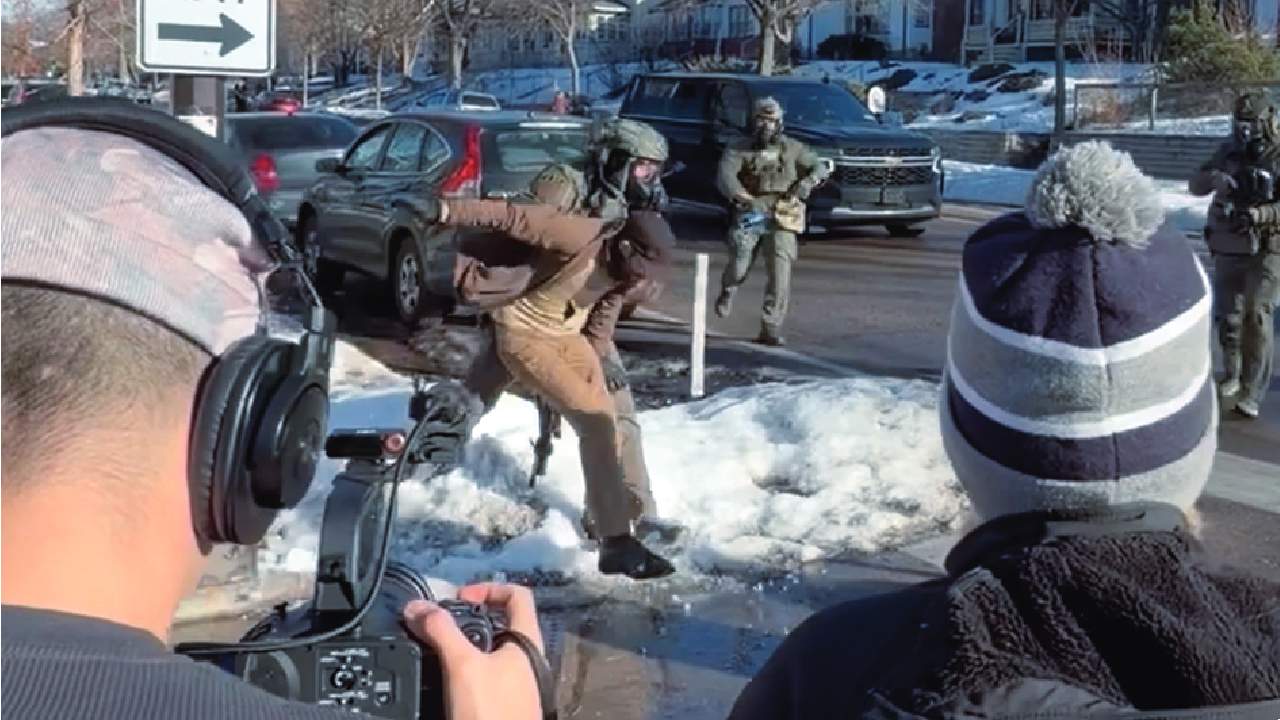
If there’s been a soundtrack to life in Minneapolis in recent weeks, it’s the shrieking whistles and honking horns of thousands of people following immigration agents across the city. They are the ever-moving shadow of the Trump administration’s Operation Metro Surge. They are teachers, scientists and stay-at-home parents. They own small businesses and wait tables. Their network is sprawling, often anonymous and with few overall objectives beyond helping immigrants, warning of approaching agents or filming videos to show the world what is happening.
And it’s clear they will continue despite the White House striking a more conciliatory tone after the weekend killing of Alex Pretti, including the transfer of Gregory Bovino, the senior Border Patrol official who was the public face of the immigration crackdown. “I think that everyone slept a little better knowing that Bovino had been kicked out of Minneapolis,” said Andrew Fahlstrom, who helps run Defend the 612, a hub for volunteer networks. “But I don’t think the threat that we’re under will change because they change out the local puppets.” The surge begins. What started with scattered arrests in December ramped up dramatically in early January, when a top ICE official announced the “largest immigration operation ever.”
Masked, heavily armed agents traveling in convoys of unmarked SUVs became commonplace in some neighborhoods. By this week, more than 3,400 people had been arrested, according to Immigration and Customs Enforcement. At least 2,000 ICE officers and 1,000 Border patrols officers were on the ground. Administration officials insist they are focusing on criminals in the US. Illegally, but the reality in the streets has been far more aggressive.
Agents have stopped people, seemingly randomly, to demand citizenship papers, including off-duty Latino and Black police officers and city workers, area officials say. They smashed through the front door of a Liberian man and detained him without a proper warrant, even though he’d been checking in regularly with immigration officials.
They have detained children along with their parents and used tear gas outside a high school in an altercation with protesters after detaining someone. To be sure, federal agents are barely a presence in many areas, and most people have never smelled a whiff of tear gas. But the crackdown rippled quickly through immigrant-heavy neighborhoods. Patients are avoiding life-saving medical care, doctors said.
Thousands of immigrant children are staying home. Immigrant businesses shut down, cut their hours or kept their doors locked to everyone but regular customers. Pushback comes quickly. Activist groups rapidly organized across deeply liberal Minneapolis-St Paul and some suburbs. Small armies of volunteers began making food deliveries to immigrants afraid to leave their homes.
They drove people to work and stood watch outside schools. They also created interlocking webs of dozens, perhaps hundreds, of rapid response networks — sophisticated systems involving thousands of volunteers who track immigration agents, communicating with encrypted apps like Signal. Tracking often means little more than quietly reporting the movement of convoys to dispatchers and recording the license plates of possible federal vehicles.
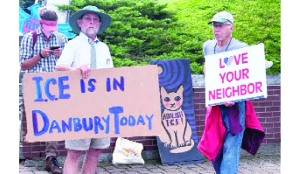
But it’s not always quiet. Protester caravans regularly form behind immigration convoys, creating mobile protests of anger and warning that weave through city streets. When agents stop to arrest or question someone, the networks signal the location, summoning more people who sound warnings with whistles and honking, film what’s happening and call out legal advice to people being detained. Many protesters come expecting trouble.
Sometimes it all can feel performative, whether it’s Bovino in body armor tossing a smoke grenade, or young activists who rarely take off their helmets and gas masks, even when law enforcement is nowhere to be seen. But crowds often lead to real confrontations, with protesters screaming at immigration agents. Agents respond only sometimes, but when they do it’s often with punches, pepper spray, tear gas and arrests.