Rory McIlroy stumbles at Masters, shares lead
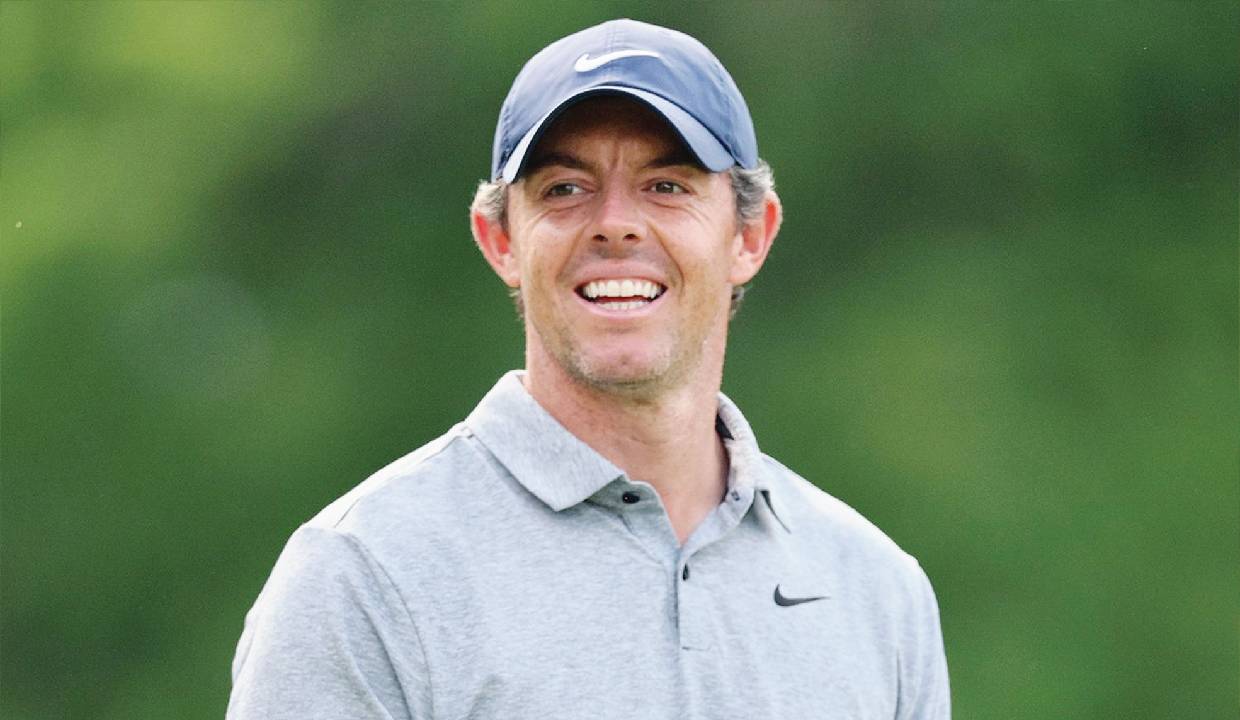
That one-man show at the Masters gave way to a wide-open chase for the green jacket with a stunning turn of events that forced Rory McIlroy to remind himself where he was at the end of Saturday instead of where he started.
The six-shot lead was gone in 11 holes. Instead of only two players within six shots of him, there were nine players within six shots of McIlroy and co-leader Cameron Young by the of the day.
“There’s a lot of guys in with a chance tomorrow. I’m still tied for the best score going into tomorrow, so I can’t forget that,” McIlroy said. “But I do know I’m going to have to be better if I want to have a chance to win.”
It felt like the coronation had started when McIlroy put himself in the Masters record book with the largest 36-hole lead in history, even though the defending champion had cautioned, “I know what can happen around here, good and bad.”
The good belonged to Young, that mixture of power and calm carrying him to a 7-under 65, and to Scottie Scheffler, the world’s No. 1 player and two-time Masters champion.
McIlroy was in the trees, in the water, in all sorts of places he would rather not be, including sharing space atop the leaderboard.
He finished with a 73, surprising only because it was the lowest scoring average (70,63) ever for a third round at Augusta National. “Didn’t quite have it today,” McIlroy said before going off to the range to figure out what went wrong.
He is last in the field in driving accuracy among the 54 players who made the cut. Young set his own Masters record, the first player to have at least a share of the 54-hole lead when starting eight shots behind.
But he was steady and brilliant, chipping in for birdie on the par-3 fourth, converting a huge break when his tee shot on the par-5 13th crashed out of the tree and into the fairway, even salvaging a bogey with a bold wedge from the same spot where he had just come up short and into the water on the par-5 15th.
He briefly took the lead with a 20-foot birdie on the 16th.
“You just are constantly aware of the fact that this place can bite you,” Young said. “So, to me, it’s just a really, really clear mandate that an easy par is never bad.
And if you’re playing that well, you’re going to back your way into some birdies at some point.”