Role-play, real growth - Why experiential learning works for kids
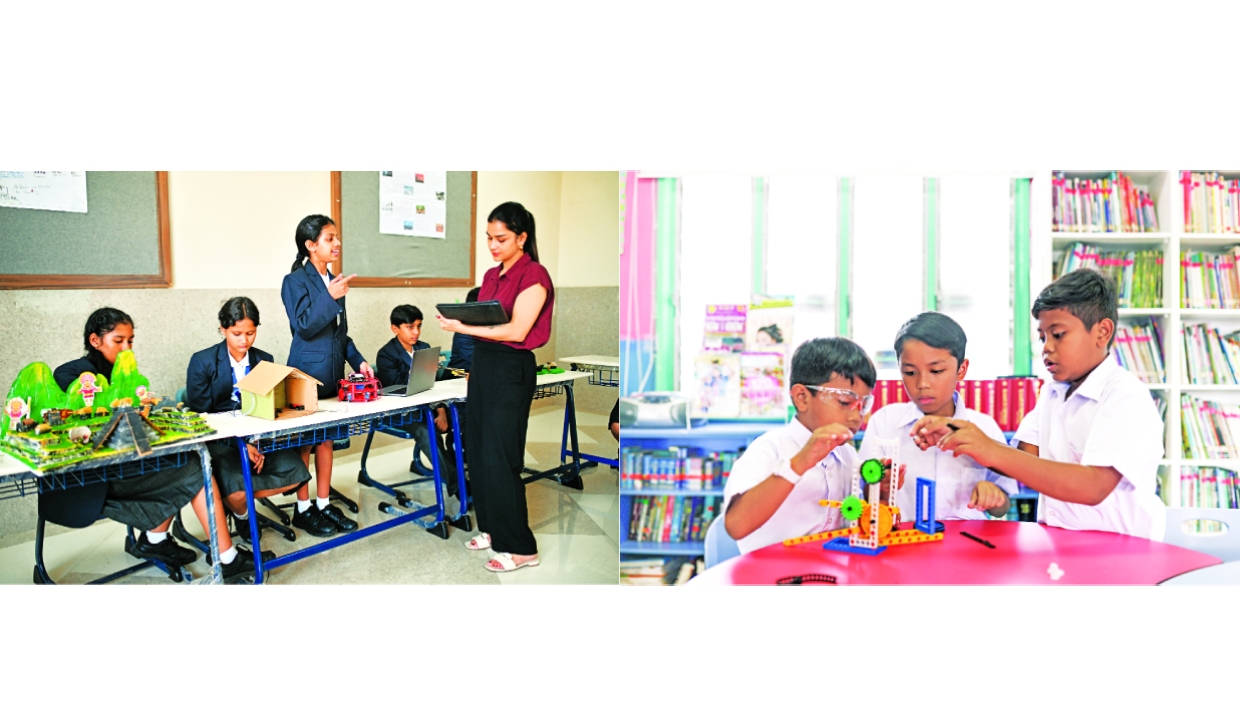
Children learn most effectively when they are actively doing, rather than passively listening. This fact is what makes experiential learning so powerful: it allows children to step into a role, make decisions, solve problems, and figure out how things work for themselves, rather than having everything explained to them. Role-play sits at the very heart of this idea because it turns learning into something children can really get their teeth into and remember for a long time.
In today’s world, where screens are everywhere, routines move in a blur, and attention spans seem to be shrinking all the time, hands-on experience matters more than ever. This kind of interaction is not just a fun spectator sport. It gives children the chance to participate and get their hands dirty, so to speak. They are not just watching the world go by; they are part of it. That makes the experience far more memorable because it connects imagination and reality in a way that feels authentic, engaging, and genuinely satisfying.
Parents are drawn to this as well. Many are no longer simply looking for outings that will keep children occupied. They want experiences that have real depth, are screen-free, and feel well worth the time and money they are spending. Experiential learning hits the nail on the head because it combines enjoyment with substance. It allows children to have a good time while also building confidence, curiosity, and that very important sense of achievement.
Role-play is particularly effective because it helps children grasp the real world in a way that feels relatable. When a child becomes a firefighter for a day, or a pilot, or a lawyer, they are not just pretending. They are beginning to get a glimpse of responsibility, teamwork, and how different professions contribute to everyday life. That is not always easy to explain in a classroom, but in an experience, it lands naturally.
That is why edutainment has become so important for modern families. Parents want more than just a fun distraction these days. They want their children to actually take something worthwhile away from the experience, whether that is learning something new, a bit more confidence, or simply the joy that comes from trying something new. The best experiences manage to do both. They are enjoyable as you go along, but they also leave behind something that lingers.
Technology can add a lot to this, but only if it serves the experience rather than overwhelming it. Used well, augmented and virtual reality can make role-play more immersive and more exciting for children growing up in a world where digital is simply part of everyday life. It can bring unfamiliar places to life in ways children can understand, or introduce ideas like safety, finance, or online awareness in a format that makes sense to them. But the key is that technology should be assistive rather than overpowering. The child should still be the one doing the learning, responding, and making sense of things for themselves.
Seasonal events also play a valuable role in keeping the experience dynamic. Festivals and global occasions give families a reason to return and give children something new to look forward to. In many ways, this is what makes experiential marketing so effective. It is not just a one-time message. It is an ongoing relationship built through experiences that feel relevant, timely, and memorable.
That is why screen-free, interactive, and meaningful experiences are no longer a nice-to-have. They are becoming an essential part of how families spend time together and how children build the skills they need for the future. Role-play works because it is simple, intuitive, and deeply human. It gives children the chance to learn by doing, and that remains one of the most powerful ways to grow.
The writer is Chief Business Officer, KidZania India; Views presented are personal.