Ram temple trust tightens purse strings
The Shri Ram Janmabhoomi Teerth Kshetra Trust has set up a three-member committee to oversee its State Bank of India (SBI) accounts. The committee includes Interim General Secretary Krishna Mohan, Chandan Rai, a chartered accountant by profession, and chief engineer and project manager of the temple, Jagdish Afale. From now on, all financial transactions or payments from SBI accounts need the approval and signatures of all three members.
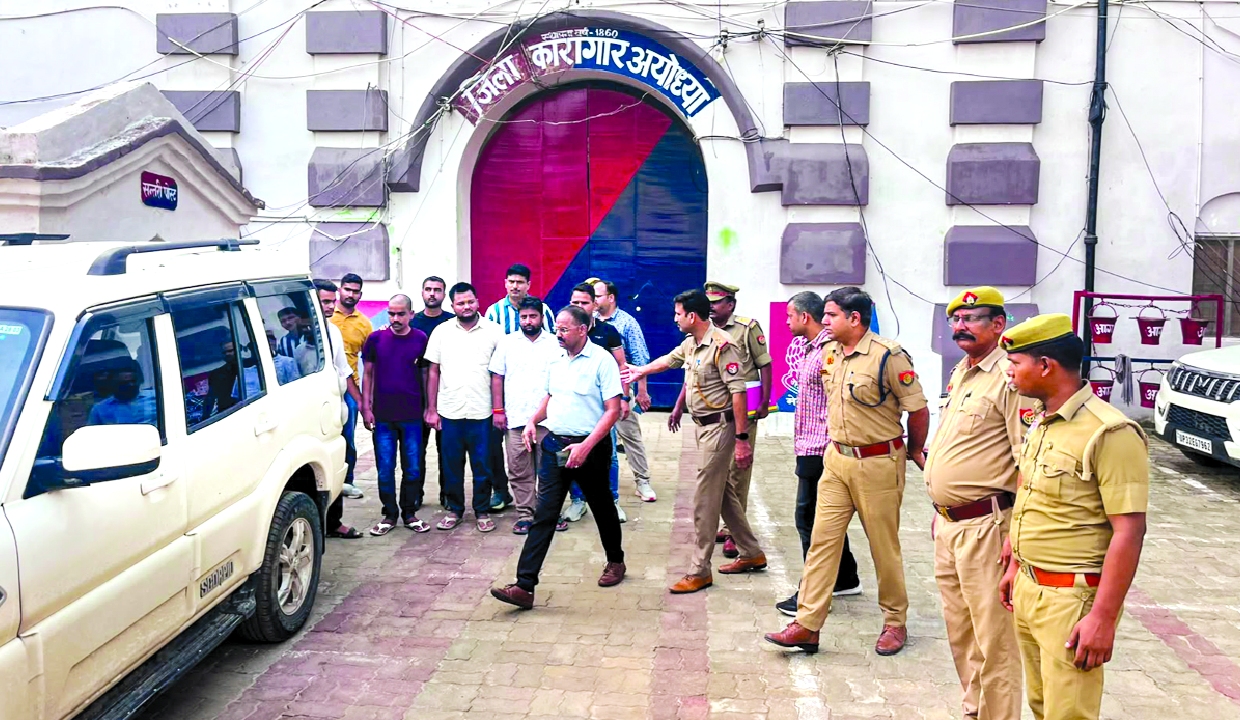
This change follows recent resignations and an ongoing Special Investigation Team (SIT) probe embezzlement of temple donations. On July 6, 2026, the trust accepted the resignations of former general secretary Champat Rai and trustee Anil Mishra, who stepped down on moral grounds after the Uttar Pradesh Government’s SIT shared its initial findings with the Shri Ram Janmabhoomi Teerth Kshetra Trust. The investigation began when reports of missing cash bundles from temple offerings came out in late May 2026, leading to FIRs against several people, including temple staff.
The new committee structure is meant to encourage shared responsibility. The introduction of a committee to manage SBI accounts is meant to reduce the risk of irregularities and improve oversight.
The trust says this change, which takes effect immediately for all SBI accounts, is part of wider efforts to restore public trust.
Krishna Mohan, who leads the committee, is a 73-year-old retired Indian Forest Service officer from Maharashtra. He comes from Chandrapur village in Hardoi district, Uttar Pradesh, and has been involved with the Ram Janmabhoomi movement and the RSS. Known as a quiet organiser, Mohan was recently made a trustee by unanimous decision. He is now in charge of daily administration until a permanent general secretary is chosen.
Chandan Rai, serving on the committee, brings financial expertise. While Afale, an IIT-trained engineer who has played a key role in the temple’s construction from the start, helps ensure financial decisions align with the needs of construction and maintenance of the temple. The cost of the temple has exceeded several thousand crores since its inception, with the majority allocated to construction, capital works and fixed deposits.
While the SIT continues its detailed re-audit of the past five years’ accounts, including construction expenditure and in-kind donations such as jewellery, the new committee is presented as a step toward greater transparency and accountability.
Leave a Comment
Comments (1)
The Cash counting process should be in a transparent chamber and the BANK officials will take over the Cash in the same location. Similarly donations receipts should be done in transparent chamber in front of the eyes of donor devotees. This is simplest and safest transparent-chamber with in-camera procedure.