President urges youth to remember India’s martyrs
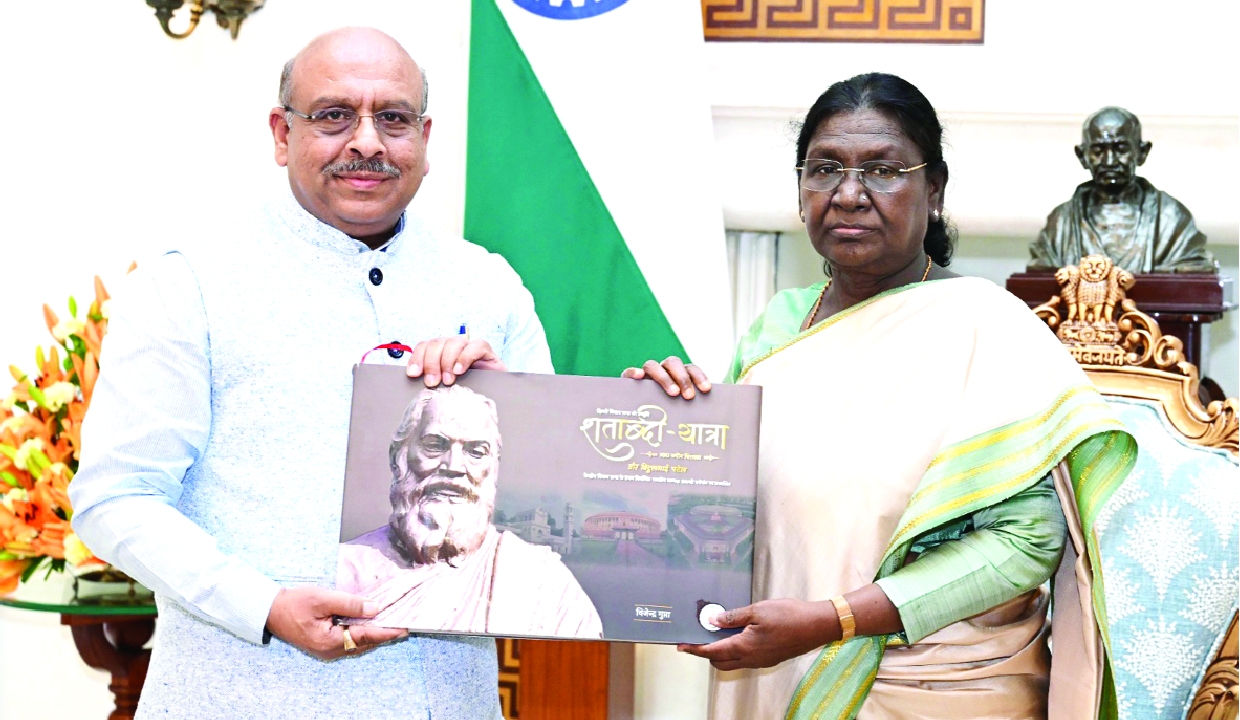
President Droupadi Murmu on Monday called upon the nation, especially the youth, to keep alive the memory of India’s martyrs, as Delhi Assembly Speaker Vijender Gupta met her to commemorate the 1919 Rowlatt Satyagraha in Chandni Chowk.
During the meeting at Rashtrapati Bhavan, the President emphasised the need to remain connected to the sacrifices made during the freedom struggle. “We must keep the flame of remembrance burning bright. The sacrifice of our martyrs is the fuel for this flame,” she said.
Speaker Vijender Gupta briefed the President on the historical significance of March 30, 1919, when a peaceful protest against the Rowlatt Act in Delhi turned tragic after British forces opened fire on unarmed demonstrators. The President also urged young people to remain rooted in patriotism. “Whatever you become, never let the spirit of patriotism and the memory of our martyrs fade from your heart,” she said, stressing that the present generation must understand the price paid for India’s freedom.
The meeting marked the anniversary of the historic Rowlatt Satyagraha, one of the earliest mass protests against British rule. Gupta apprised the President that over 50 unarmed Indians were killed when British troops opened fire near the Old Delhi Railway Station during a peaceful procession led by Swami Shraddhanand.
He also highlighted that Mahatma Gandhi was present in Delhi at the time and later reflected on the unity displayed during the protest. Gandhi had described the strike as unprecedented, noting the coming together of Hindus and Muslims in a shared cause. During the interaction, Gupta presented a coffee table book titled ‘Shatabdi Yatra-Vir Vithalbhai Patel’, published by the Delhi Assembly Secretariat. The President directed that the book be included in the Rashtrapati Bhavan Library, acknowledging its historical and archival value.
Officials said the President personally reviewed accounts of the 1919 event and appreciated efforts to document this chapter of history. She noted that such initiatives play a key role in preserving the legacy of India’s freedom movement.
Gupta said the event was not merely ceremonial but a reminder of the sacrifices that shaped India’s democratic foundations. He reaffirmed the Assembly’s commitment to preserving and promoting the city’s historical and political legacy.
The Rowlatt Satyagraha was launched after the British Government passed the controversial Rowlatt Act, which allowed detention without trial. The legislation triggered widespread protests across the country.
According to Gupta, Mahatma Gandhi had resolved to launch the Satyagraha after witnessing debates on the Act and the government’s refusal to heed Indian voices. He had described the situation by saying that “a sleeping man can be woken up, but one who pretends to sleep cannot be awakened.”
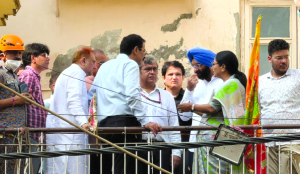
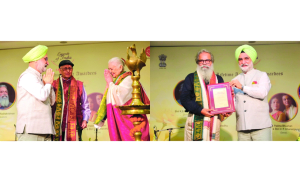
Earlier in the day, Gupta visited the historic Town Hall in Chandni Chowk, where he paid floral tributes to the martyrs of the 1919 protest. He also honoured Swami Shraddhanand for his leadership during the protest.
The Delhi Assembly Speaker said the event was not merely ceremonial but a reminder of the sacrifices that shaped India’s democratic foundations. He reaffirmed the Assembly’s commitment to preserving and promoting the city’s historical and political legacy. Officials said the commemoration aims to bring renewed focus on lesser-known chapters of the freedom struggle and inspire future generations to uphold the values of unity and sacrifice.