Preamble omitted, new NCERT book triggers row
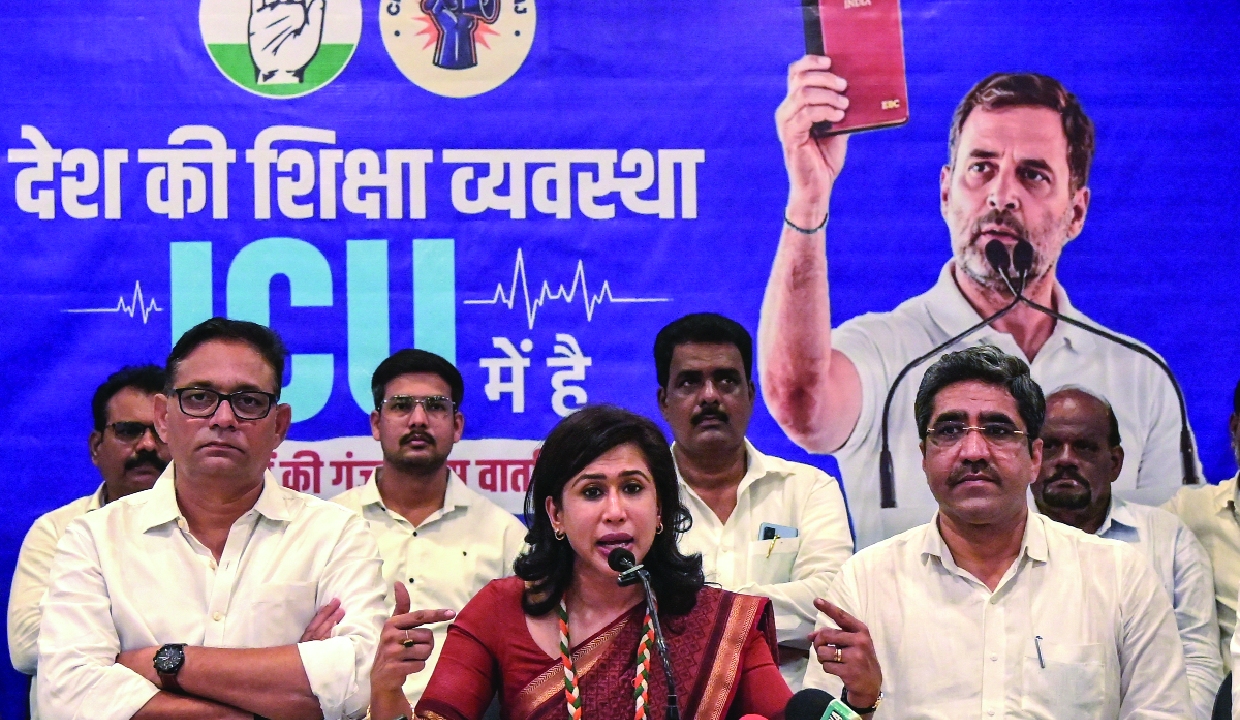
A political controversy has erupted over major changes in the new social science textbook for Class 9 by the National Council of Educational Research and Training (NCERT). The bone of contention is over the omission of the Preamble and the words secular and secularism.
The revised textbook, which integrates history, geography, political science, and economics into a single volume, marks a significant departure from previous editions. Among the most notable changes is the omission of the Preamble from the introductory chapter on the Constitution. References to secular and secularism, which featured in earlier editions, have also been removed from the primary text.
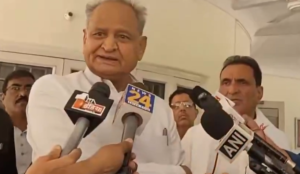
The Congress has accused the Government of attempting to undermine constitutional values and imposing a communal ideology in the revised Class 9 social science textbook. Opposition leaders claimed that deleting the Preamble and the word secular is a deliberate attempt to erase the foundational, pluralistic philosophy of the Indian Constitution from the school curriculum.
Union Education Minister Dharmendra Pradhan and the NCERT have pushed back against the allegations. They state the new curriculum comprehensively covers constitutional values across various classes and have called the Congress’s objections baseless “politics of lies”.
The war of words erupted on a day when the SIR had completed one year, notwithstanding fierce protests by the Opposition and its several run-ins with the Election Commission of India (ECI). Nearly six crore voters, so far, have been deleted during the revision now on in 19 states and Union Territories.
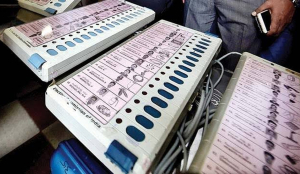
Interestingly, SIR of electoral rolls also finds mention in the book along with a separate chapter explaining the functioning of the Election Commission of India, meaning of elections, electoral rolls, voter registration, the conduct of elections and party system in India.
The textbook also includes a dedicated chapter on the 1975-77 Emergency, describing it as one of the most significant periods in independent India’s democratic history. The chapter examines the suspension of civil liberties, press censorship, arrests of political leaders, and the eventual restoration of democratic processes after the Emergency ended.
It also includes a verse from the Manusmriti to claim that women were accorded respect in the Vedic period but their status “fluctuated, even declined” as social and political conditions changed over time.