Police shares open letter ahead of protest
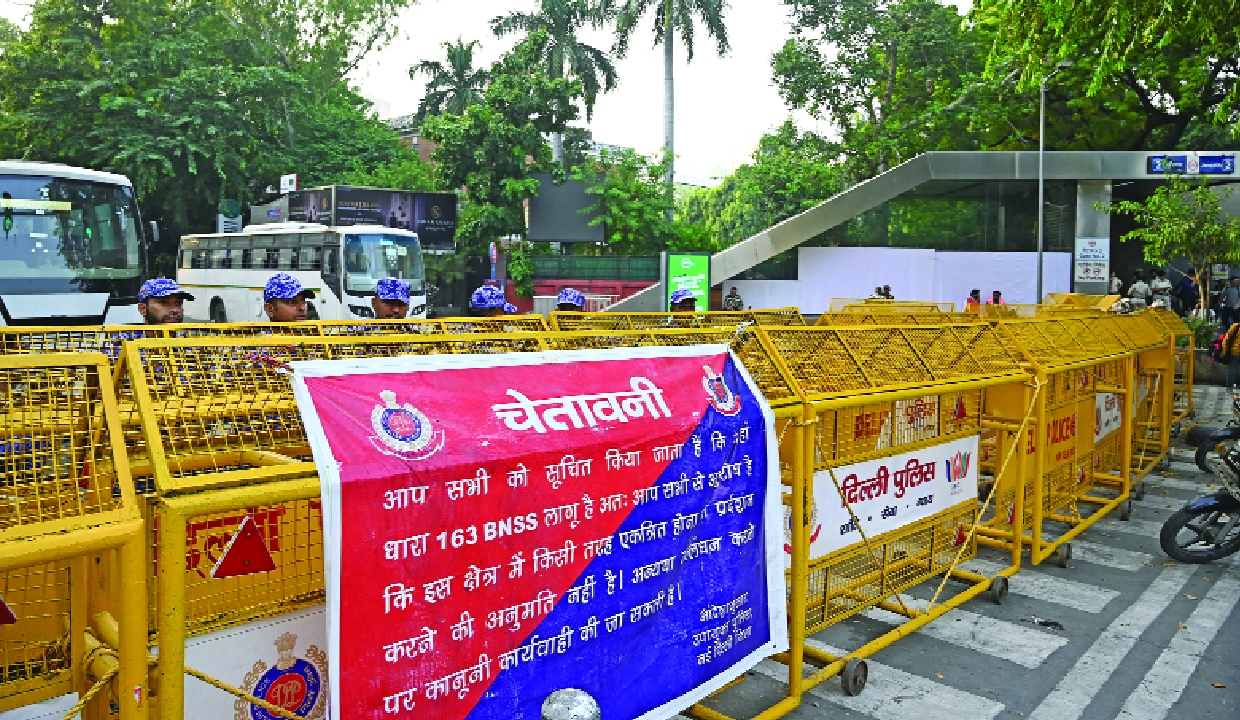
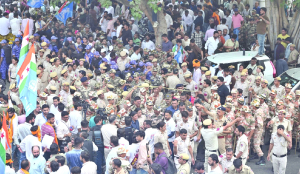
As the Capital prepared for another protest at Jantar Mantar, the Delhi Police took a more restrained approach. Instead of issuing a warning or setting up barricades, they published an open letter that felt more like a gesture in the dark.
In a post titled “An Open Letter to Every Citizen,” the police shared a personal postcard. The message read, “Your voice is your right, and your safety is our duty” (Your voice is your right, and your safety is our duty). The postcard also reminded readers that every officer is a person with a family and loved ones waiting at home. It said the only thing that sets them apart is the uniform, not their humanity. The postcard was signed, “With care, Delhi Police.
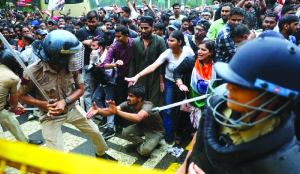
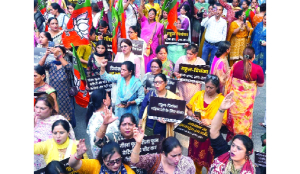
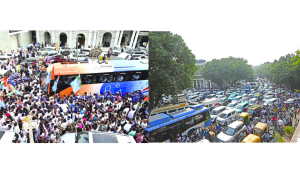
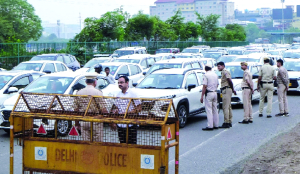
The surge in public statements came as several student groups and the Cockroach Janta Party planned to hold protests on October 10 against Chief Election Commissioner Gyanesh Kumar. The police had already increased their presence at the protest site. In this context, the message was meant to address the crowd and remind them that every person in uniform is also a son or daughter, parent or partner.
Officers who have patrolled the capital’s streets know how quickly a demonstration can turn into a major law-and-order problem. Moreover, they know the subtler costs of the job: children who can tell their parents by the sound of a key turning at midnight, and spouses who keep their phones with them throughout each shift. The letter did not mention these sacrifices; it simply urged people on both sides of the barricade to remember they are all human and equally vulnerable.
Readers were surprised by its tone. In such a big city, the police normally make announcements as advisories, traffic updates, and messages stressing law and order. This time, however, the authorities were careful. Although people might disagree, they did not regard this as hostile behaviour. They accepted the right to protest while also asking everyone to keep things peaceful.
Those with experience of the Delhi Police have said the letter contained something rarely said. A constable who stands in the sun for hours is still a father who has promised to be home for his child’s birthday. A woman officer dealing with a difficult crowd is still a daughter whose mother waits by the window. Although the uniform absorbs the shouts and insults, the person inside carries them.
Reactions to the postcard varied. Many people believed it was a good way to remind others that respect can still exist even when they disagree. Others, however, questioned whether words alone could reduce the tension that arises when protests clash with police lines. The authorities gave no further explanation. The letter remained as it was: short, seemingly handwritten, and sent to all of them.
That night, as people prepared for the next day’s gathering, the postcard appeared online. It didn’t call on anyone to remain silent; instead, it reminded all officers that they have names in their families and that every citizen who comes up against the police has a life the police are supposed to protect. In a city famous for bold statements and strong reactions, this quiet emphasis on shared humanity stood out, even if only briefly.