Passport not proof of citizenship: MEA
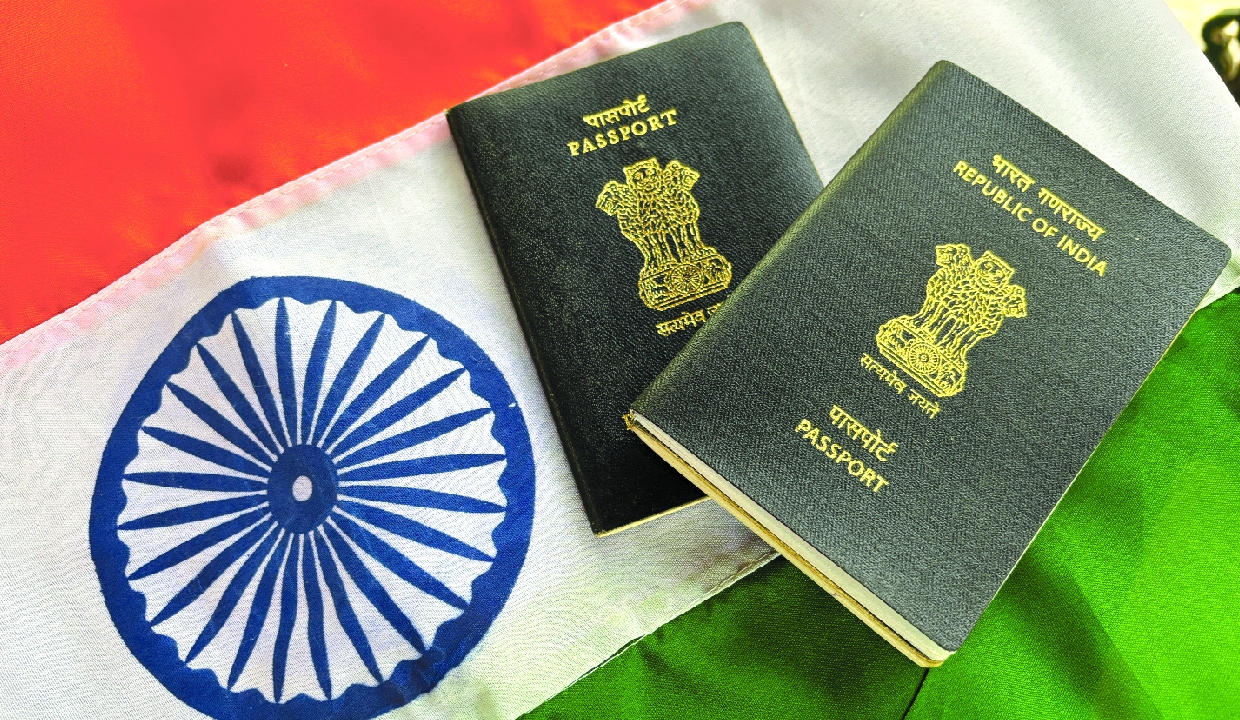
Passport remains a travel document and not be treated as conclusive proof of citizenship
Amid growing public discussion over documents that can establish Indian citizenship, the Ministry of External Affairs (MEA) on Wednesday clarified that a passport is primarily a travel document and should not be treated as conclusive proof of citizenship.
The clarification was made by a senior ministry official while outlining the Government’s passport services expansion and efforts to improve international mobility for Indian citizens.
“The passport remains a travel document and not a document of citizenship, as it attests the nationality of Indians when they are abroad,” the official said, adding that passports are issued only after extensive verification based on records and inputs from multiple Government agencies.
The remarks come at a time when questions surrounding citizenship documentation have gained renewed attention following discussions linked to electoral roll verification and identity documentation.
Legal experts note that the MEA’s clarification reflects the position under the Citizenship Act, 1955, which determines citizenship based on statutory criteria rather than possession of any single identity document.
Under the law, persons born in India between January 26, 1950 and June 30, 1987, are citizens by birth. For those born between July 1, 1987 and December 2, 2004, at least one parent must have been an Indian citizen at the time of birth. For individuals born on or after December 3, 2004, one parent must be an Indian citizen, and the other must not be an illegal migrant.
As a result, documents such as passports, Aadhaar cards or birth certificates may serve as supporting evidence but may not, by themselves, conclusively establish citizenship in disputed cases.
Courts have also distinguished identity documents and proof of citizenship. In a 2013 judgment, the Bombay High Court held that the possession of passports, Aadhaar cards and birth certificates alone was insufficient where applicants failed to establish that they satisfied the citizenship requirements prescribed under law.
The ministry said nearly 1.5 crore passports and related services were delivered in 2025, including the issuance of around 1.39 crore passports. Passport infrastructure has expanded significantly over the last decade, with the number of passport service centres increasing from 77 to 545 across the country. Ten new Post Office Passport Seva Kendras were opened last year, while another 10 are scheduled to become operational this year.
According to the ministry, passport applications are currently processed within six working days, excluding the time taken for police verification. The average time spent by applicants at Passport Seva Kendras and Post Office Passport Seva Kendras has been reduced to less than 45 minutes.
The Government also highlighted improvements in international travel access for Indian passport holders.
The number of countries offering visa-free entry to Indians has increased to 27 from 16 in 2019. Indian citizens currently have access to visa-on-arrival facilities in 47 countries and e-visa arrangements in 66 countries.
Officials said mobility and migration agreements signed with several countries, particularly in Europe, have eased travel for students, researchers, apprentices, tourists and business professionals while creating formal mechanisms for the return of illegal migrants.