Oli’s arrest sparks protests in Kathmandu
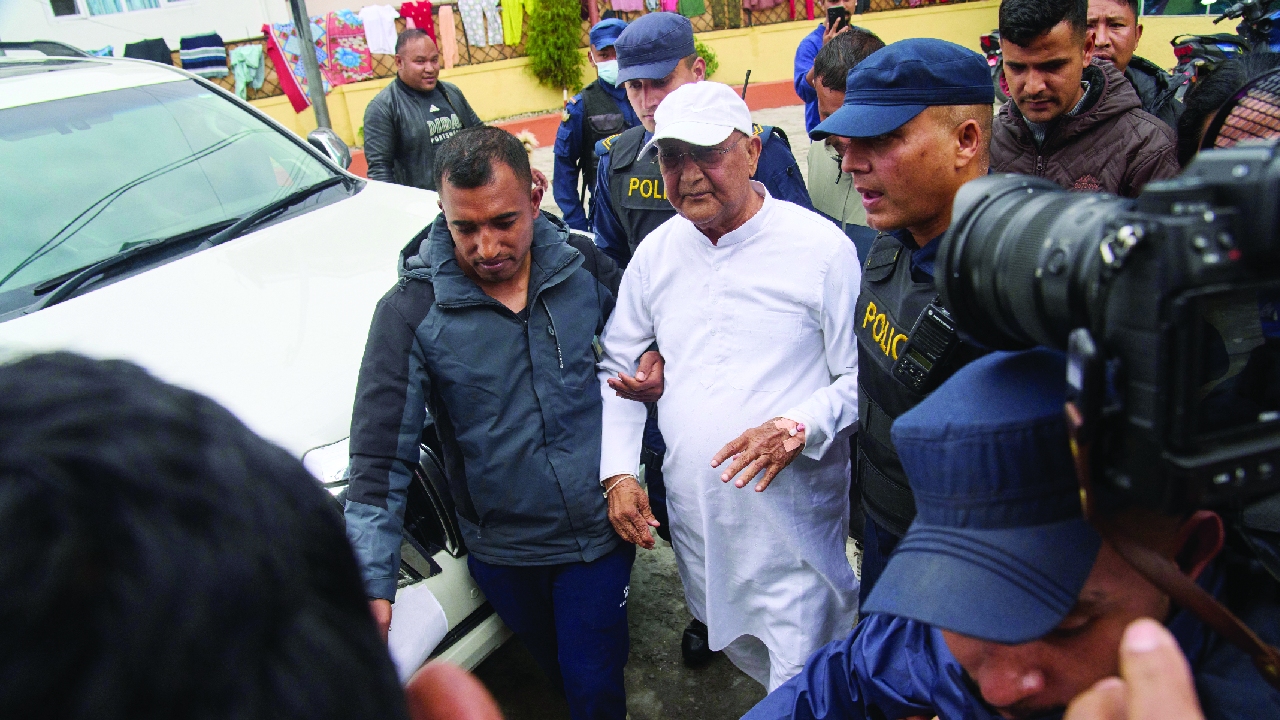
Protests erupted across Nepal’s Capital after former Prime Minister Khadga Prasad Sharma Oli was arrested, triggering unrest among his supporters just a day after Balendra Shah assumed office.
Demonstrators gathered at multiple locations in Kathmandu, voicing their opposition to Oli’s detention. In a show of anger, protesters burned copies of the commission report that investigated the controversial “Gen Z” protest movement, while some groups also set tyres ablaze near key party offices. Oli was taken into custody early on Saturday in connection with a culpable homicide case tied to the violent crackdown on protests in September 2025. The demonstrations had ultimately led to his ouster from power. Authorities also detained Ramesh Lekhak as part of the same investigation.
The probe, conducted by a commission formed under an interim Government, recommended legal action against Oli and other officials. Its findings held him accountable for failing to prevent the use of force that resulted in the deaths of at least 19 protesters on the first day of unrest.
Following his arrest, the 74-year-old leader — who has a history of serious health issues, including kidney transplants — was admitted to a hospital in Kathmandu for medical evaluation.
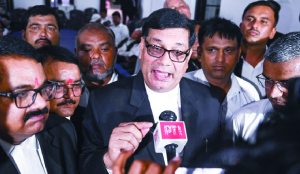
Oli’s party, Communist Party of Nepal (Unified Marxist-Leninist), has strongly criticised the move, calling it politically motivated. Senior leaders within the party convened an emergency meeting and announced plans for nationwide protests, demanding his immediate release.
Tensions have been heightened by Nepal’s recent political transition. Shah, a former rapper-turned-politician popularly known as “Balen,” was sworn in as the country’s youngest prime minister after leading the Rastriya Swatantra Party to a majority in the House of Representatives. He had earlier defeated Oli in the Jhapa-5 constituency during the general elections.
Reacting to the developments, Prime Minister Narendra Modi congratulated Shah on his appointment and expressed optimism about strengthening ties between India and Nepal.
Meanwhile, political voices across the spectrum have weighed in on the arrest. UML leaders have described it as an act of “political revenge,” while others, including Arjun Narsingha KC, have called for a fair and transparent investigation. Leaders such as Ganesh Shah emphasised adherence to due process, and Kamal Thapa cautioned against escalating tensions.
With protests intensifying and legal proceedings underway, Nepal finds itself navigating a sensitive political moment amid a broader shift in its leadership landscape.