Oil prices fall globally, LPG disruptions persist in India
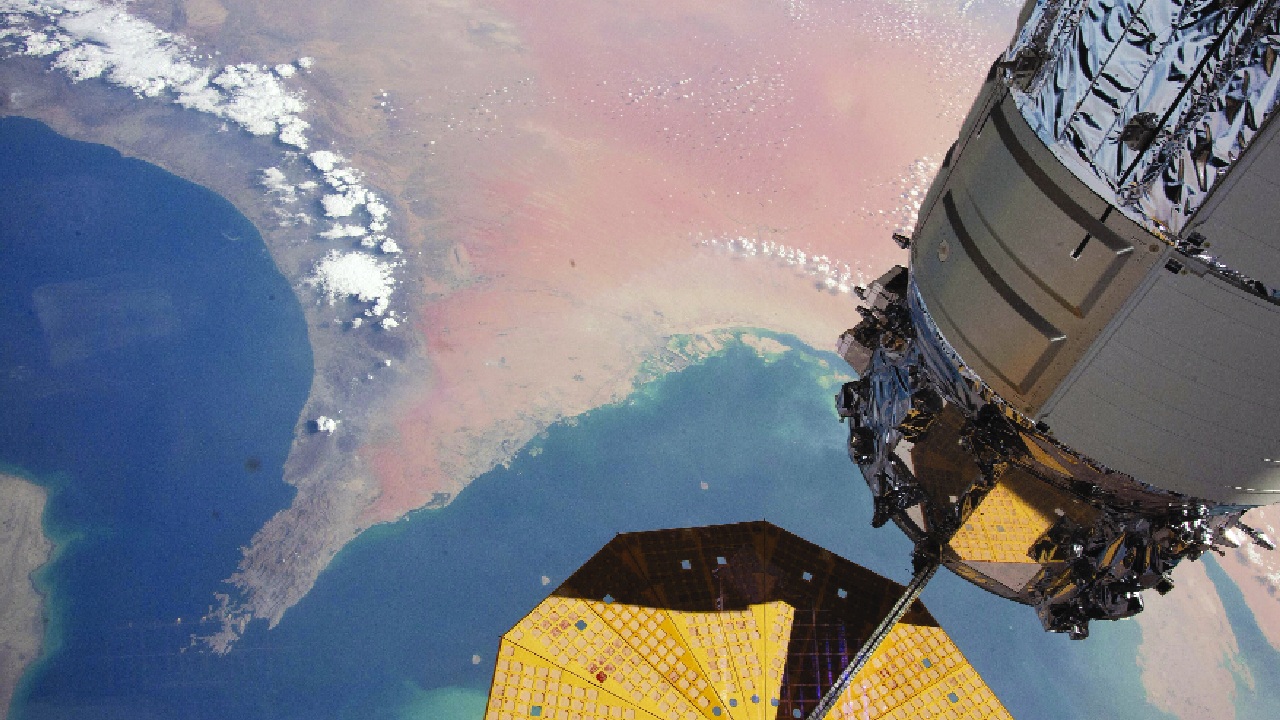
The announcement of a conditional, two-week ceasefire between the US, Israel and Iran on Wednesday has sent a wave of relief through global energy markets with global crude oil benchmarks like Brent plummeting by nearly 16 per cent to below $93 per barrel.
In a joint inter-ministerial press conference, the Union Government said Liquefied Petroleum Gas (LPG) supply continues to be affected by the prevailing geopolitical situation while sufficient stocks of petrol and diesel are being maintained.
India is the world’s third-largest energy consumer and fourth-biggest gas user. Imports account for about 88 per cent of the country’s crude oil, around half of its natural gas requirements and roughly 60 per cent of its LPG needs. More than half of these crude imports, about 40 per cent of natural gas and as much as 85per cent -90 per cent of LPG shipments, sourced from Gulf countries, transit through the Strait of Hormuz — one of the world’s most critical energy corridors — which was closed by Iran as violence in the region escalated.
Currently, a large number of tankers laden with crude, condensate, and refined products are stranded inside the Middle East Gulf, waiting to exit due to disruptions in the strait. For India, while crude supplies could normalise in two-three weeks, if the ceasefire continues, LNG supplies may not resume immediately as it will take two weeks to just start liquefaction facilities, depending upon the extent of damage caused by the attacks. It is learnt that 16-17 Indian vessels carrying crude oil and LPG are still in the Strait of Hormuz.With shipping expected to normalise, delayed LPG cargo can now start reaching India. At the same time, new shipments can be scheduled more predictably.
Indian consumers, however, shouldn’t expect an immediate price cut at the petrol pumps. Domestic Oil Marketing Companies typically revise retail rates based on a 15-day rolling average of international prices. Currently, petrol remains steady at INR 94.77 and diesel at INR 87.67 in Delhi.The ceasefire has begun to ease pressure on global shipping routes, with early signs of maritime traffic picking up in and around the Strait of Hormuz. Major shipping companies and tanker operators have started resuming vessel movement after weeks of disruption triggered by escalating tensions involving Iran and the United States.
Meanwhile, the Government has expanded commercial LPG supplies to a broader set of industrial sectors, allowing units to receive up to 70 per cent of their pre-West Asia crisis consumption, while maintaining a total sectoral cap of 200 tonnes per day. In a communication to State authorities, the Ministry of Petroleum and Natural Gas said eligible industries include polymer, agriculture, packaging, paints, steel, metal, glass, pharma, food, uranium, heavy water, ceramics, foundries, forging units, and aerosol manufacturers.
Analysts suggest that if the truce holds and the Strait of Hormuz remains open, a downward revision of Rs 3-INR 5 per litre could be on the cards within the next 7 to 10 days. The primary headwind remains the Indian Rupee, which is currently hovering near INR 94.70 against the US Dollar, partially offsetting the gains from cheaper oil imports. For now, the “freeze” on prices is seen as a stabilising measure to prevent further inflationary shocks before the upcoming state elections.
The war led to a spike in international oil prices. Rupee fell about 7 per cent over the past year, making it one of Asia’s worst-performing currencies, as rising oil prices inflated the import bill and increased demand for dollars. The currency’s slide has compounded imported inflation, amplifying the economic shock from the conflict.