NIA to have dedicated court in each State, UT; Delhi to have 16 special courts: Centre to SC
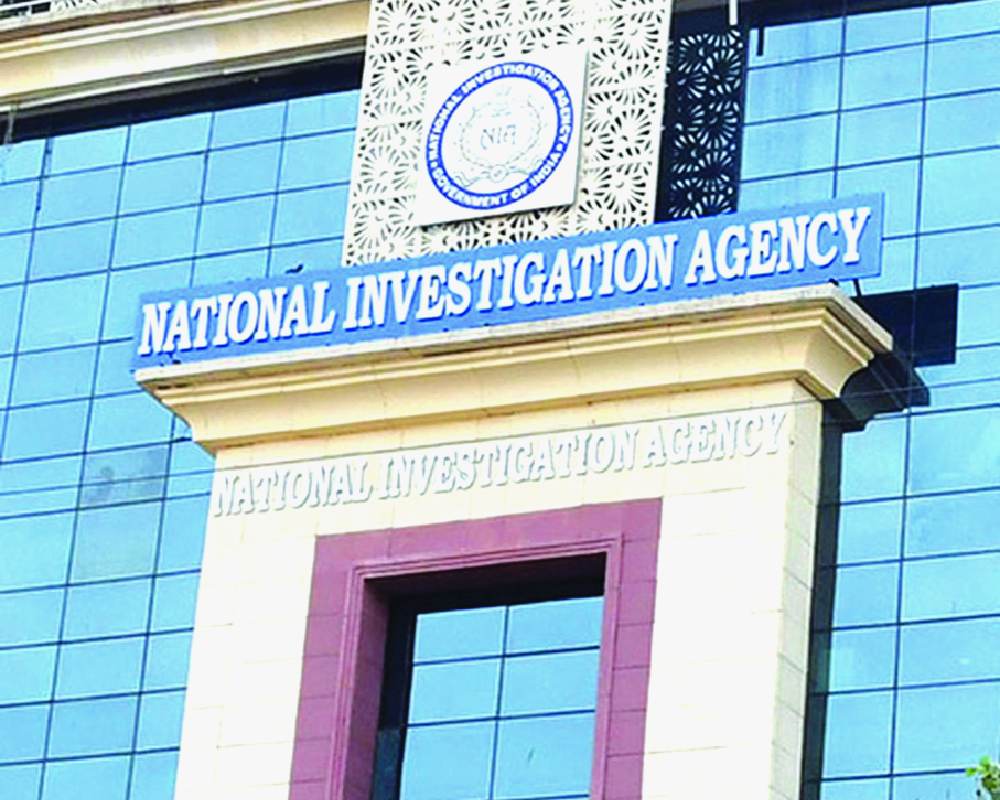
The Centre on Tuesday told the Supreme Court that to ensure a speedy trial, it has decided to set up a dedicated NIA court in each state and Union territory and more than one court at places where there are over 10 cases under the anti-terror law.
A bench of Chief Justice Surya Kant and Justice Joymalya Bagchi was also told by the Delhi Government that 16 special courts are being created in the national capital to deal with organised crime and terror cases.
The Supreme Court asked the Centre and the Delhi Government to explore the possibility of enacting a stringent anti-organised crime law like MCOCA for the entire National Capital Region, to avoid any jurisdictional conflict between different law enforcement agencies.
Taking note of gangster Mahesh Khatri, who has multiple cases registered against him in different areas of the NCR and is before the court seeking bail on the ground of delayed trial, CJI Kant said hardened criminals involved in organised crime take undue advantage of the jurisdictional issues in NCR and evade the law. “Sometimes the offence is generated in say A state, and the offender moves to B state. But which court or agency should take cognisance of the matter for prompt investigation, or which courts shall have the competent jurisdiction itself, becomes an issue in the criminal trial,” the bench said.
The Supreme Court was hearing bail pleas of Khatri and of Kailash Ramchandani, a Naxal sympathiser from Gadchiroli in Maharashtra, who was booked after 15 policemen of a quick response team were killed in an IED blast in 2019.
The CJI said the eventual benefit goes to the hardened criminals, which may not be in the interest of society or the nation. “It seems that the issue requires consideration, including the desirability of formulation of effective laws for the effective utilisation of existing legal architecture in the NCR region,” he said. While pointing to the multiple FIRs in the case of Khatri, Justice Bagchi told Additional Solicitor General Aishwarya Bhati (Centre) and SD Sanjay (Delhi Government) that they can explore the possibility of invoking the NIA Act in such cases, where there are multiple FIRs in different states.
He said NIA has the supervening power of taking over all the investigation, particularly in respect of these organised crime brackets.
Bhati pointed to the status report of the Centre and said that a virtual meeting of the union home secretary was held with his counterparts of different states and it was agreed that additional infrastructure and posts of judicial officers will be created to deal with NIA cases and for this, funds will be allocated.
She submitted that the Centre has decided to set up NIA courts in each state and union territory and where there are more than 10 cases, like in Kerala due to banned PFI-related cases, more than one NIA court will be there.