Navi Mumbai court acquits two in 2018 murder case
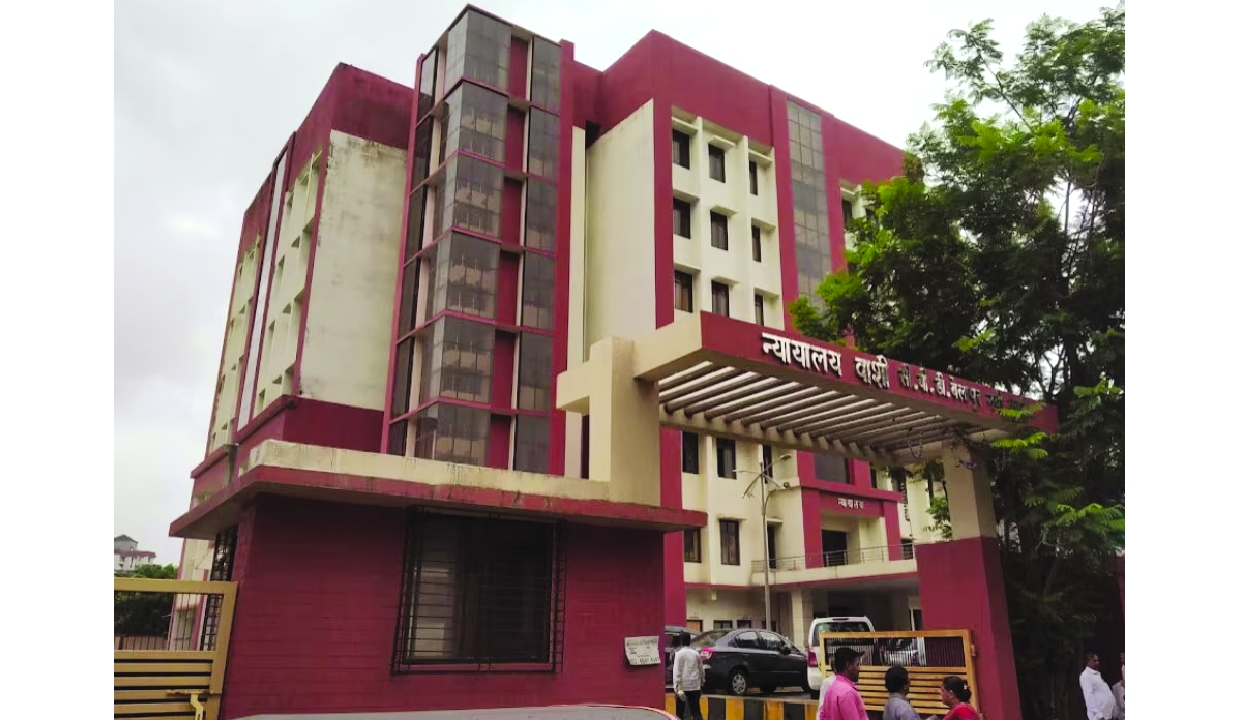
A court in Navi Mumbai has acquitted two persons accused of beating a man to death in 2018, citing a lack of forensic evidence linking the duo to the crime and an unexplained delay in registering the first information report (FIR).
Additional Sessions Judge Makarand R Mandawgade of the Belapur court on Friday, acquitted Mohammad Akram Tafajjul Khan (56) and Akbar Ali Najar alias Iqbal Gulam Mohammad Najar (38) of charges under section 302 (murder) of the Indian Penal Code (IPC).
The prosecution had alleged that on the morning of October 30, 2018, an altercation broke out at the Green Park slum in APMC, Vashi, after the victim, Saeed Mansuri, picked up a wooden table belonging to Khan. The dispute escalated into a scuffle, during which Khan and Najar allegedly assaulted Mansuri with sticks, inflicting fatal head injuries that led to his death.
During the trial, the defence argued that the accused were falsely implicated to shield the real culprits, and pointed out severe loopholes in the police investigation, including an unexplained delay in filing the FIR.
Judge Mandawgade made critical observations regarding the unexplained delay by the APMC police in registering the complaint.
Eyewitnesses claimed they approached the police station by 10.30 am, but the FIR was registered only at 4.06 pm.
The judge noted that the prosecution had offered no explanation for the delay in registering the FIR, and this unexplained delay raised serious doubts about the authenticity of the prosecution’s version and suggested the possibility of deliberation.
The court further pointed out that the police failed to recover the wooden table that supposedly triggered the fatal fight.
Furthermore, the prosecution had strongly relied on a mobile phone video recorded by the informant’s wife, which was expected to pin the crime on the accused. But she herself admitted that she could not recognise the persons in the video.
The court also took a grim view of the forensic science laboratory (FSL) reports, which could not conclusively tie the blood on the seized weapons and clothes to the deceased.
The court, while acquitting the accused, also observed that the weapons used in the attack were found in an unregulated, open public space rather than recovered directly from the possession or exclusive knowledge of the accused.