NASA launches Mission to Save Swift Space Telescope from Falling to Earth
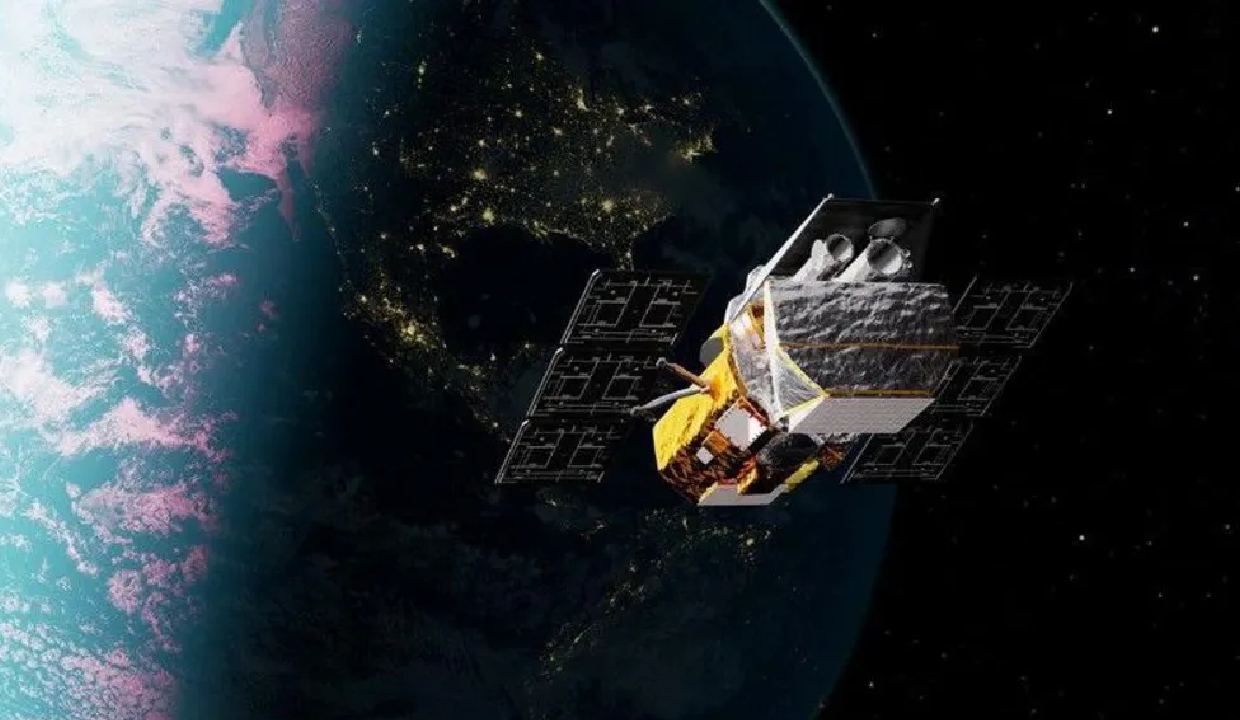
NASA has launched the Swift Boost mission to rescue the aging Neil Gehrels Swift Observatory, a space telescope that is gradually losing altitude and risks falling back to Earth. The mission uses a robotic spacecraft named LINK, developed by Katalyst Space Technologies, to capture the telescope and push it into a higher orbit, extending its operational life by several years.
The Swift Observatory, launched in 2004, has played a crucial role in studying gamma-ray bursts, black holes, supernovae, and other powerful cosmic events. Increased solar activity has expanded Earth's upper atmosphere, creating more drag and causing the telescope's orbit to decay faster than expected.
Since Swift has no onboard propulsion system, NASA opted for an innovative rescue mission instead of letting the spacecraft burn up during re-entry.
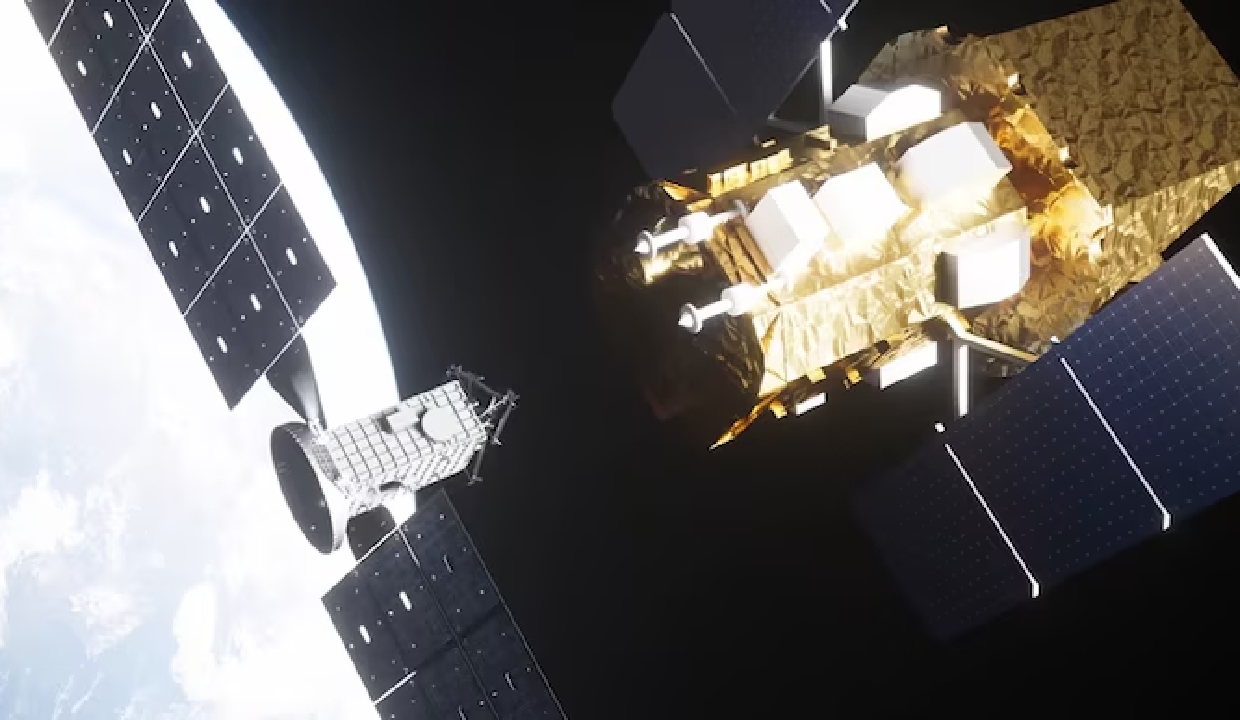
If successful, the mission will mark a major milestone in space technology by demonstrating robotic satellite servicing in orbit. Experts believe the technology could eventually be used to repair, refuel, or extend the lives of other satellites and telescopes, making future space missions more sustainable and cost-effective.