MHA reviews NGO role, funding in recent student protests
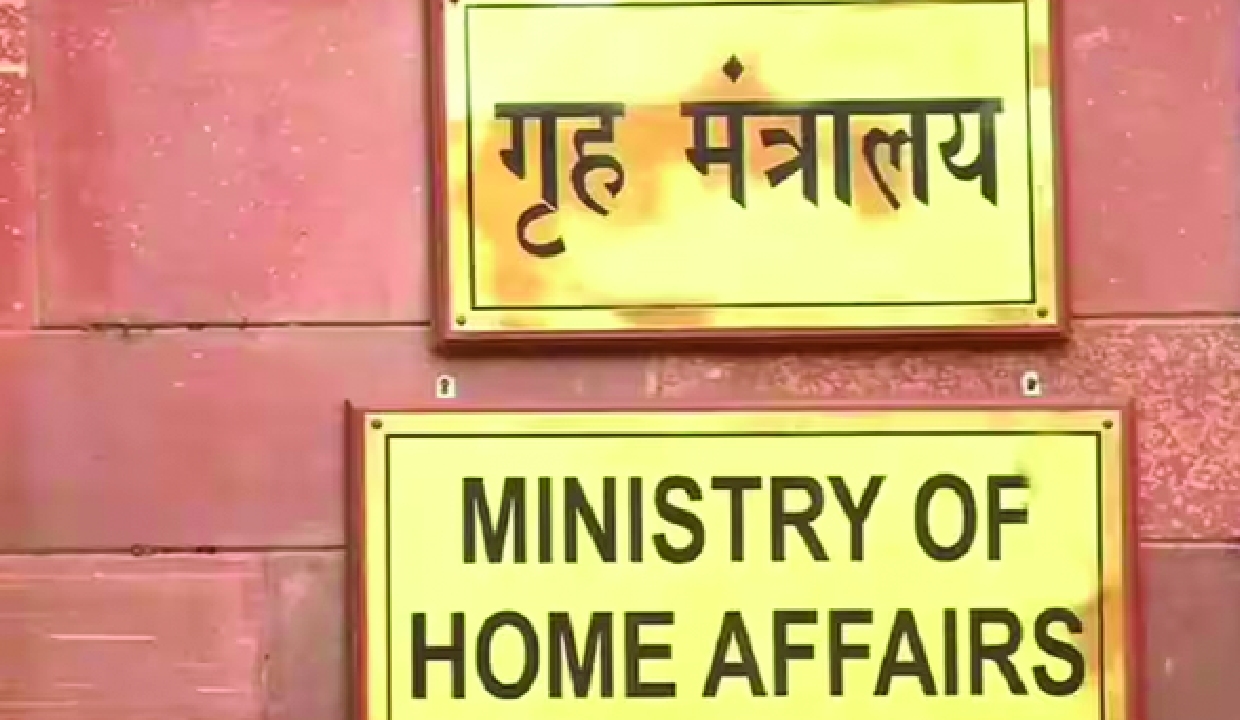
The Ministry of Home Affairs’ (MHA) Internal Security Division held a meeting with law enforcement agencies on Tuesday to assess the possible involvement of non-governmental organisations (NGOs) in recent protests in the national Capital and other regions.
According to sources, the meeting focused on whether any NGOs helped organise, fund, or promote demonstrations led by the Cockroach Janata Party (CJP). The CJP protests, which took place in June and July 2026, highlighted alleged problems in competitive exams like NEET. Protesters demanded the Union Education Minister’s resignation, compensation for affected students’ families, and broader education reforms. These events received significant media coverage.
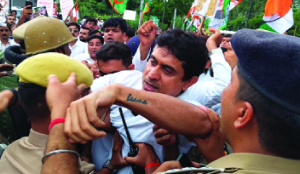
The movement began with young people organising through social media, inspired by court comments and worries about unemployment and exam fairness. It grew into sit-ins at Jantar Mantar in Delhi, marches to Parliament, clashes with security forces, internet shutdowns ordered by the MHA, and a larger police presence. The protests ended in late July after the Government agreed to key demands and the minister resigned, but some tensions and complaints about incomplete changes continued.
Groups, student organisations, activists, and some farmers’ bodies expressed support at various stages. Notable individuals, such as educationist and activist Sonam Wangchuk, participated through actions like a hunger strike. Although the mobilisation was digitally coordinated by youth, authorities routinely review the role of external organisations in large-scale protests that may disrupt public order or align with sensitive legislative periods.
This review is part of the MHA’s wider approach to monitoring civil society groups, especially under the Foreign Contribution (Regulation) Act (FCRA). Over the past ten years, thousands of FCRA registrations have been cancelled or have expired because of worries about transparency, misuse of funds, or activities seen as harmful to national interest or public order.
Critics say these reviews might mix up genuine dissent with foreign-influenced disruption, which could limit civil society activities. Supporters argue that, because of complex security issues, it is important to look at all parts of long-running protests, including funding, organisational help, and online activity, to keep public order and protect institutions.
In 2026, new rules brought more checks on foreign-funded groups, their leaders, operations, and assets. Some NGOs and minority groups have criticised these changes, saying they make it harder to do real advocacy and welfare work.
These meetings usually bring together people from central and state police, intelligence agencies, and other enforcement groups. They aim to collect information from the ground, study how groups are mobilising, and suggest actions like more surveillance, reviewing regulations, or taking preventive measures, sources said.