Marvels of India - The Ashokan Edicts
A Marvel of Effective and Efficient Communication
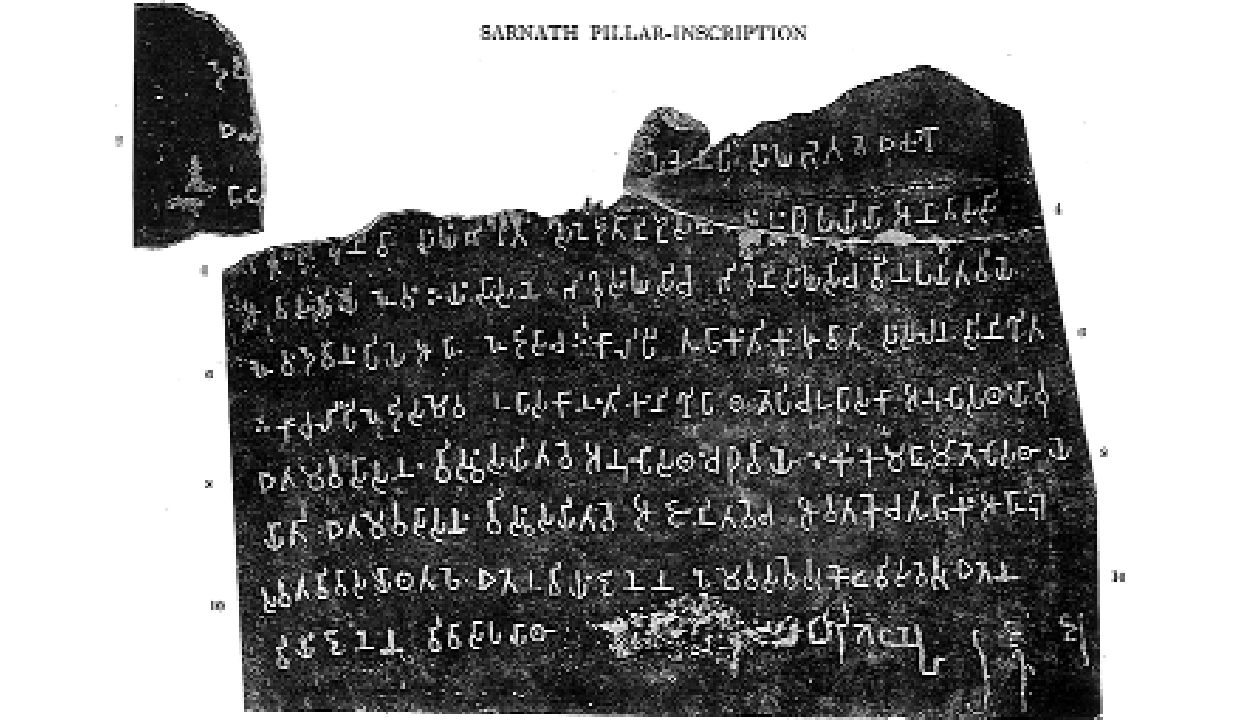
The Mauryan emperor Ashoka used inscriptions on rocks and pillars as his primary instrument of statecraft. These proclamations communicated his policies, administrative instructions and ethical teachings directly to the masses, mostly in Prakrit, using the Brahmi script so that ordinary subjects could understand them. These were strategically placed along trade routes, near borders and at administrative centres to unify a vast, diverse empire through moral governance.
Institutionalising Welfare
Rock Edicts III and IV show Ashoka consulting his council of ministers on both routine and emergency matters. At the same time, officials called Mahamattas were tasked with promoting his moral order/norm/code of conduct or his socio-cultural policy termed Dhamma, overseeing administration and safeguarding the frontier provinces. Other edicts detail administrative measures to improve public benevolence, healthcare, general wellbeing of the populace, etc.
An Enduring Governance Model
Some historians call this “conquest by Dhamma”, i.e., rule sustained through good administration and paternal concern for subjects, rather than force, making Ashokan inscriptions among human history’s earliest documented royal orders, creating and shaping a form of governance that was anchored in and driven from Dharma (righteous and just behaviour).