Marvels of India - Ashta Pradhan
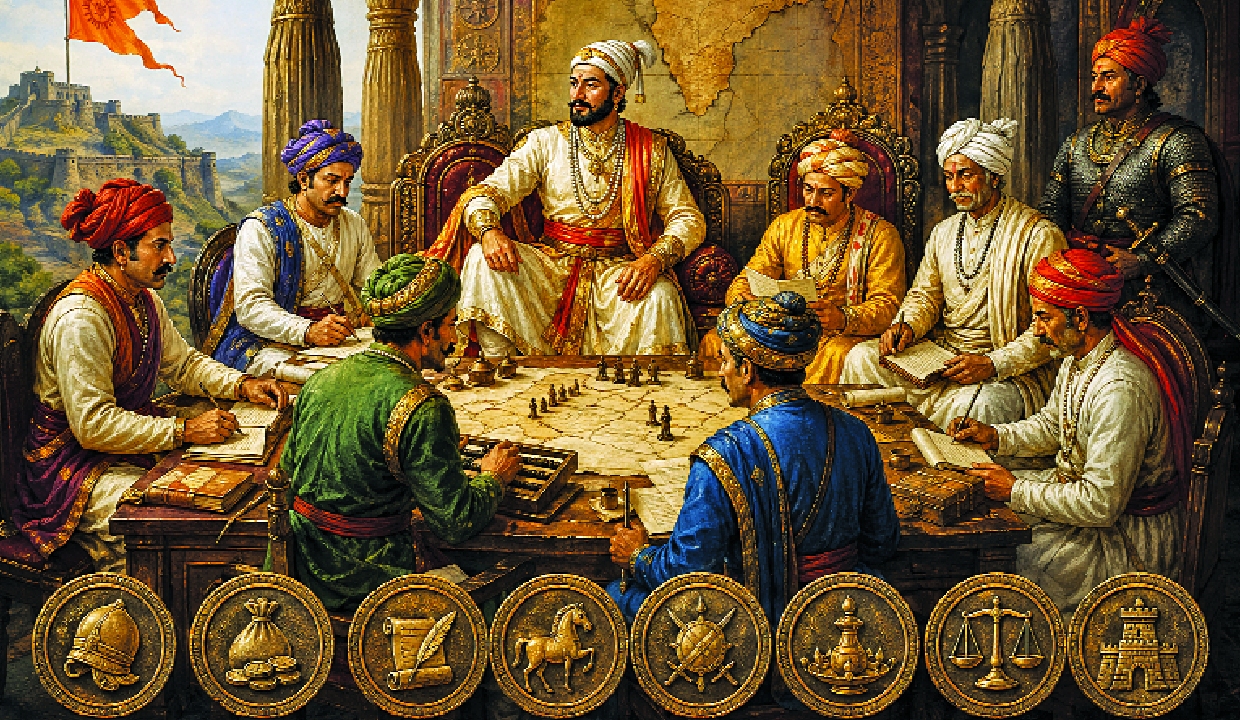
A Pinnacle of Indian Governance
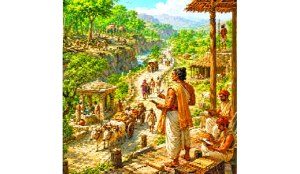
The Ashta Pradhan council, instituted by Chhatrapati Shivaji Maharaj in the 17th century, represented a masterful administrative framework that powered the rise of the Maratha empire by blending efficiency, specialisation and accountability.
Composition
This eight-member body included the Peshwa (Prime Minister handling executive duties), Amatya (Finance Minister managing revenue), Sachiv (Correspondence Superintendent), Sumant (Foreign Secretary), Senapati (Military Commander), Panditrao (Religious Affairs Head), Nyayadhish (Chief Justice) and Mantri (Intelligence and Royal Correspondence). They reported directly to Shivaji to prevent power concentration and ensure swift execution.
Governance Efficiency
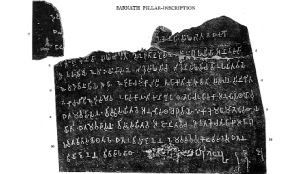
The system enabled parallel handling of diplomacy, finance, justice, military strategy and internal security, sustaining expansion across diverse terrains during conflicts with the Mughals. Rooted in principles from ancient texts such as the Arthashastra, it emphasised merit over birthright, fostering loyalty and competence.
Legacy for Contemporary Bharat
Formalised around Shivaji’s 1674 coronation, the Ashta Pradhan symbolised self-governing resilience, outmaneuvering larger empires through a structured yet flexible administration: principles that echo in Bharat’s democratic institutions today.