LG approves executive magistrate powers for revenue officers
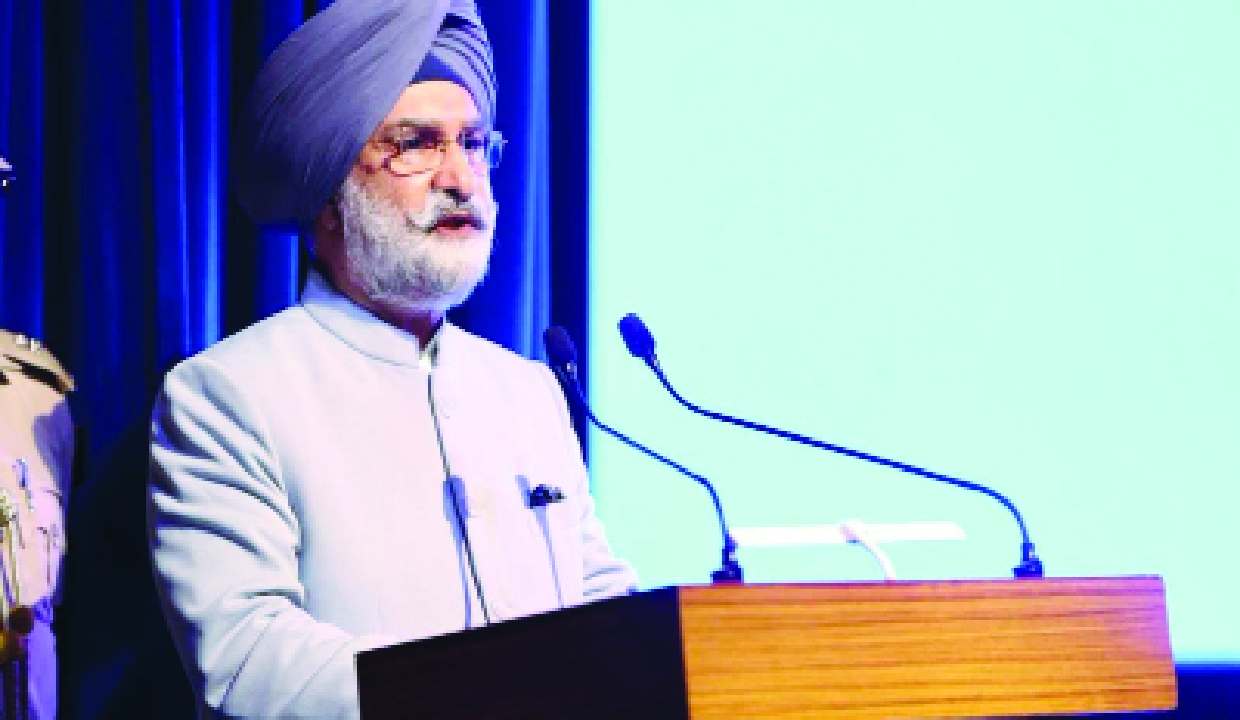
Delhi Lieutenant Governor Taranjit Singh Sandhu has authorised key revenue and administrative officers to exercise executive magistrate powers in the reorganised districts of the national Capital.
The powers will be conferred upon Deputy Commissioners/District Magistrates (DMs), Additional District Magistrates (ADMs),
Revenue Assistants, Tehsildars, and Consolidation Officers within their respective reorganised jurisdictions. After the reorganisation process, the number of districts in the National Capital Territory of Delhi (GNCTD) rose from 11 to 13.
In a statement, Lok Niwas said the appointment is being executed under Section 14 of the Bharatiya Nagrik Suraksha Sanhita (BNSS), 2023, which has replaced the erstwhile Code of Criminal Procedure (Cr.P.C.). Section 14 empowers the “State Government” to appoint executive magistrates, designate DMs/ADMs, and place magistrates in charge of sub-divisions.
Under the Ministry of Home Affairs (MHA), Government of India’s notification dated June 28, 2024, the powers and functions of the “State Government” under the BNSS (except Section 523) stand delegated to the Lt Governor of Delhi.
Following the Revenue Department’s district reorganisation notification dated December 25, 2025, the formal conferment of these magisterial powers became imperative to ensure seamless administrative governance, maintenance of law and order, and public service delivery across the newly structured districts.
The Home Minister and Chief Minister, GNCTD, had approved the proposal before recommending it to the LG.
With the Lt Governor’s formal assent, the official notification under Section 14 of the BNSS, 2023, will be issued by the Government.
In a major restructuring of administrative boundaries, the Delhi Government last year approved the reorganisation of the capital’s 11 revenue districts into 13, bringing them in line with its municipal zones. Three new districts — Old Delhi, Central North and Outer North — have been created, and Shahdara has been scrapped. Ten districts — South East, North, New Delhi, Central, South West, North West, North East, East, South and West - have been retained, but with revised boundaries.
Calling it a “historic step” and stating that “no previous government addressed this long-pending requirement”, Chief Minister Rekha Gupta had stated that the move will lead to “improved coordination of services, quicker delivery, faster grievance redressal and effective monitoring”.
Model Town, an earlier part of North, falls under the newly created Central North district. Chandni Chowk and Sadar Bazar, earlier in Central, are now two subdivisions of the same name in Old Delhi district. Another major change was the shifting of Patel Nagar from the west to the central district to clear persistent confusion over its jurisdiction, given its proximity to the central part of the city.
Shahdara district, which comprised Shahdara, Vivek Vihar and Seemapuri, has been scrapped, and its areas have been redistributed, with most parts merged into North East and East districts.
In the North East district, the number of sub-divisions has been increased from three to four — Karawal Nagar, Gokulpuri, Yamuna Vihar and Shahdara. The Seelampur sub-division has been abolished, and its areas redistributed among neighbouring units.The South district now has four sub-divisions — Chhatarpur, Malviya Nagar, Deoli and Mehrauli.