LeT commander killed in Pakistan
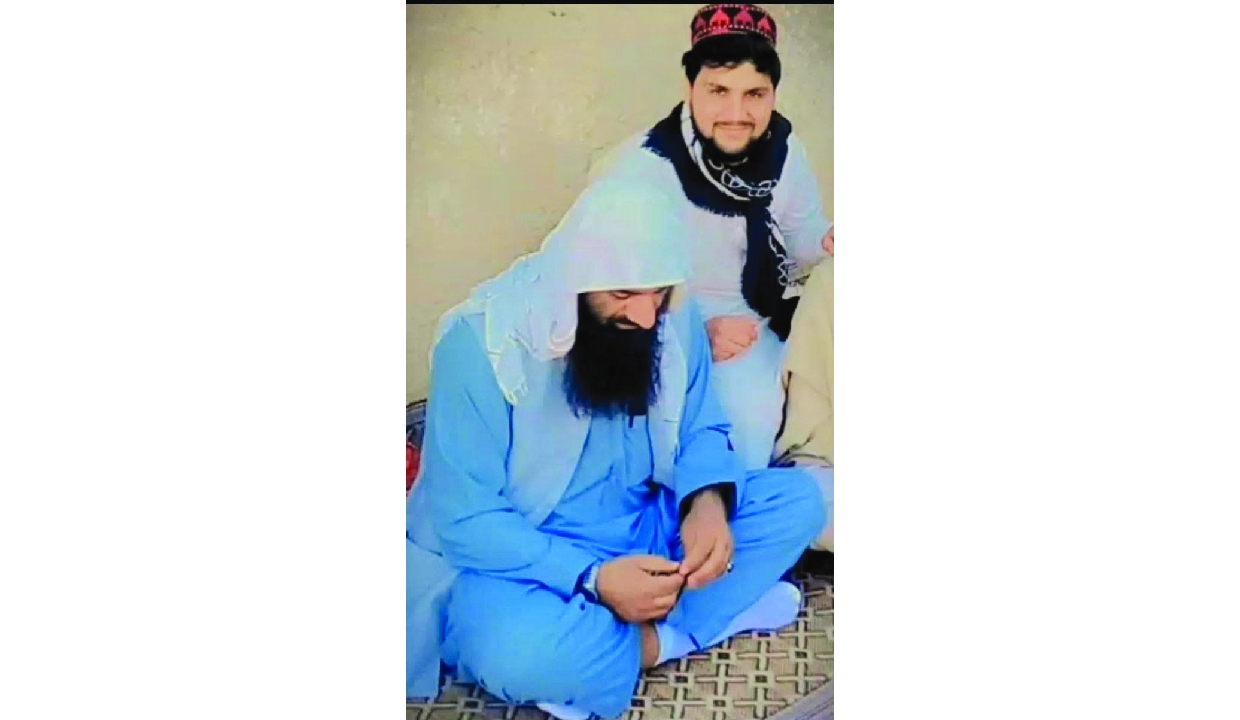
Sheikh Yusuf Afridi, a senior commander and branch head of the banned terrorist organisation Lashkar-e-Tayyiba (LeT), was killed by unidentified gunmen in Pakistan’s restive Khyber Pakhtunkhwa province on Sunday.
According to multiple reports from Pakistan, the incident occurred in the Landi Kotal area of the Khyber region. The attack was lethal and the assailants gave Afridi no opportunity to react or escape. However, no group has claimed responsibility and the motive behind the killing remains unclear.
Beyond his role in LeT, some reports indicate that Afridi served as a significant recruiter for the Islamic State Khorasan Province (ISIS-K), facilitating the movement of fighters from Pakistan’s tribal regions into Afghanistan to bolster ISIS operations against the Taliban.
His elimination is being viewed by security analysts as a potential setback to cross-group terrorist linkages in the region.
Initial probes suggest the assailants struck suddenly in a classic hit-and-run operation, highlighting the growing insecurity among terrorist group networks operating within Pakistan.
This assassination fits into a disturbing pattern of targeted killings of senior LeT and allied terrorists across Pakistan in 2026. Intelligence sources say that more than 30 top commanders from LeT and Hizbul Mujahideen have been eliminated in various provinces, including Punjab, Sindh, Baluchistan and Khyber Pakhtunkhwa, as well as in Pakistan-occupied Kashmir.
Afridi, also referred as Maulana, was a prominent figure within LeT’s operational structure in Khyber Pakhtunkhwa. He was widely regarded as a close aide to LeT Chief Hafiz Saeed. Intelligence sources describe him as a key operative who had been actively involved in the group’s activities for years. He belonged to the Zakha Khel tribe and followed the Ahl-e-Hadith (Salafi) school of thought.
Khyber Pakhtunkhwa, formerly known as the North-West Frontier Province, shares a porous border with Afghanistan and has long served as a hotbed for militant groups, including the Taliban and Al-Qaeda affiliates. The province’s rugged terrain and tribal dynamics have made it a strategic hub for LeT’s recruitment, training and cross-border activities.
Just weeks earlier, Amir Hamza, a founding member of LeT and another close associate of Hafiz Saeed, was shot and critically injured in Lahore by unknown attackers. These incidents have reportedly created panic within terrorist ranks, with even previously secure strongholds now appearing vulnerable to such attacks.
Pakistani officials have remained largely silent on the specifics of Sunday’s attack, with local media exercising caution in their coverage. As investigations continue, the killing of Sheikh Yusuf Afridi raises fresh questions about internal rivalries, ideological clashes between groups like LeT and ISIS or possible external operations aimed at disrupting terrorist networks. As of now, the precise circumstances and perpetrators remain shrouded in mystery, adding another layer to the complex and often opaque security landscape of Pakistan’s border regions.