Jasbir Pal Singh’s Partition story: From Peshawar to a new beginning
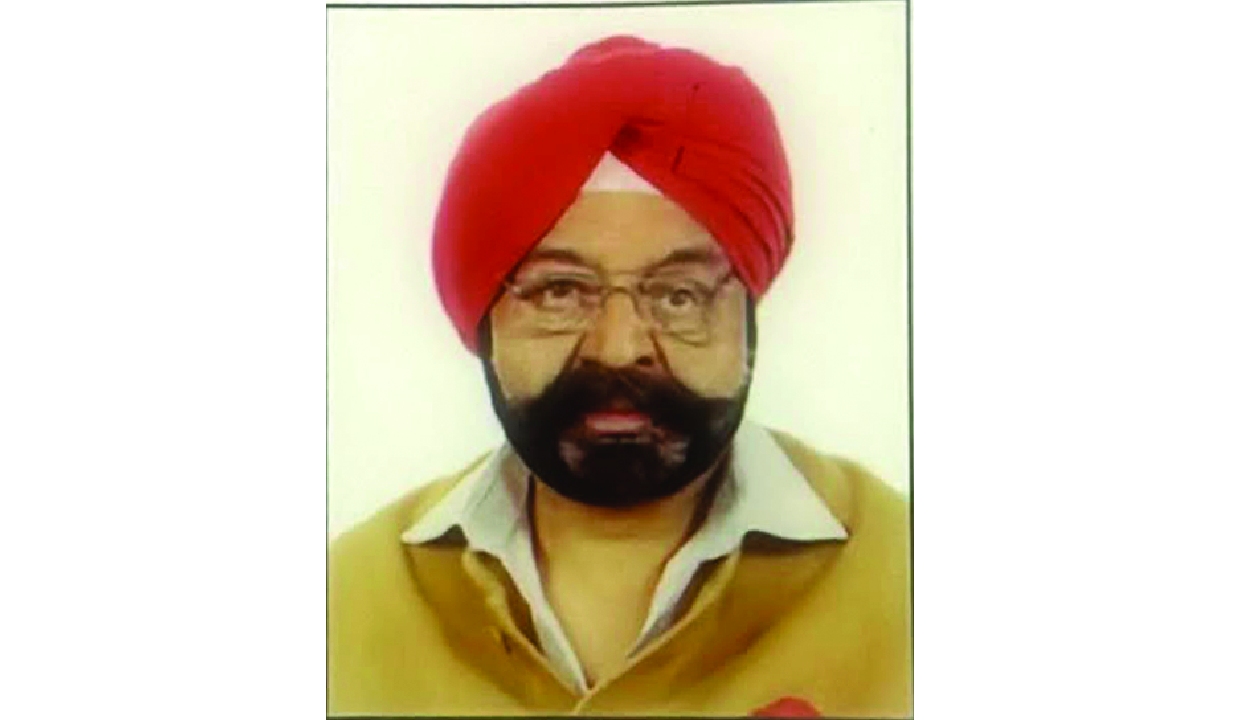
There are homes that leave us, and there are homes we are made to leave. Jasbir Pal Singh belongs to the second kind of memory, the kind that does not fade so much as settle, like dust that never quite finds the floor. He was eight years old when Peshawar stopped being his city after the announcement of Partition in 1947.
Now touching 90 and a successful businessman, he still vividly remembers what all happened in those days of upheaval. It had not felt precarious before that. His father ran Khalsa School with the quiet authority of a man respected across community lines, and the Singh household sat comfortably, if a little conspicuously, among Muslim neighbours who outnumbered them many times over. Peshawar was not hostile. It was simply, in the arithmetic of that year, becoming someone else’s.
The first crack came from a shop, not a street. Sushil ran a furniture business near the Singh home, the kind of shop where wood shavings gathered in corners and customers lingered to talk. One afternoon, men walked in as though the place already belonged to them and shot him where he stood. No warning. No argument. Just the flat, terrible efficiency of it.
Then came a rumour, softer at first, about a doctor’s daughter. Dr Sindhwani’s girl, young, well-liked, the kind of presence a neighbourhood notices, simply stopped being seen. The first version of the story was almost gentle, an elopement, a girl following her heart. The real story arrived later, uglier and colder. She had been taken.
Two deaths, one visible and one whispered, were enough to tell a family which way the wind had turned. But it was not fear alone that moved the Singhs out of Peshawar. It was friendship, oddly enough, the kind built in classrooms rather than courtrooms. Jasbir’s father had spent years teaching Muslim boys who now, in a moment of crisis, became the very hands that guided his family to safety. Loyalty, it turned out, could outlive politics, at least for a while, at least for one family.
Dehradun offered shelter but not comfort. The city spoke a language Jasbir did not know. He arrived carrying Urdu and Gurumukhi in his head, two tongues that meant nothing in a classroom built around Hindi and English. Imagine an eight-year-old staring at a blackboard full of letters that refuse to resolve into meaning, homesick not just for a house but for the very sounds of thought.
He did not simply survive that alphabet. He conquered it. Within that unfamiliar script, Jasbir found his footing and then his stride until the boy who had once understood nothing on the blackboard was standing at the top of his class.
There is a particular kind of resilience that history rarely photographs, the resilience of a child relearning how to think in a new language while his old world still burns somewhere behind him. Jasbir Pal Singh carries that resilience still, nearly eight decades later, not as a wound but as a quiet, stubborn proof that something in him refused to be partitioned along with the land.
Scores of uprooted people found a new abode in Delhi and within a few years shed off the tag of a “refugee,” through sheer dint of hard work, hardships notwithstanding, in a new environment. Their fourth generation are now running successful businesses, while many others excelled in other fields, including academics, medicine, administration and even sports.