Iran-US tensions escalate over Strait of Hormuz
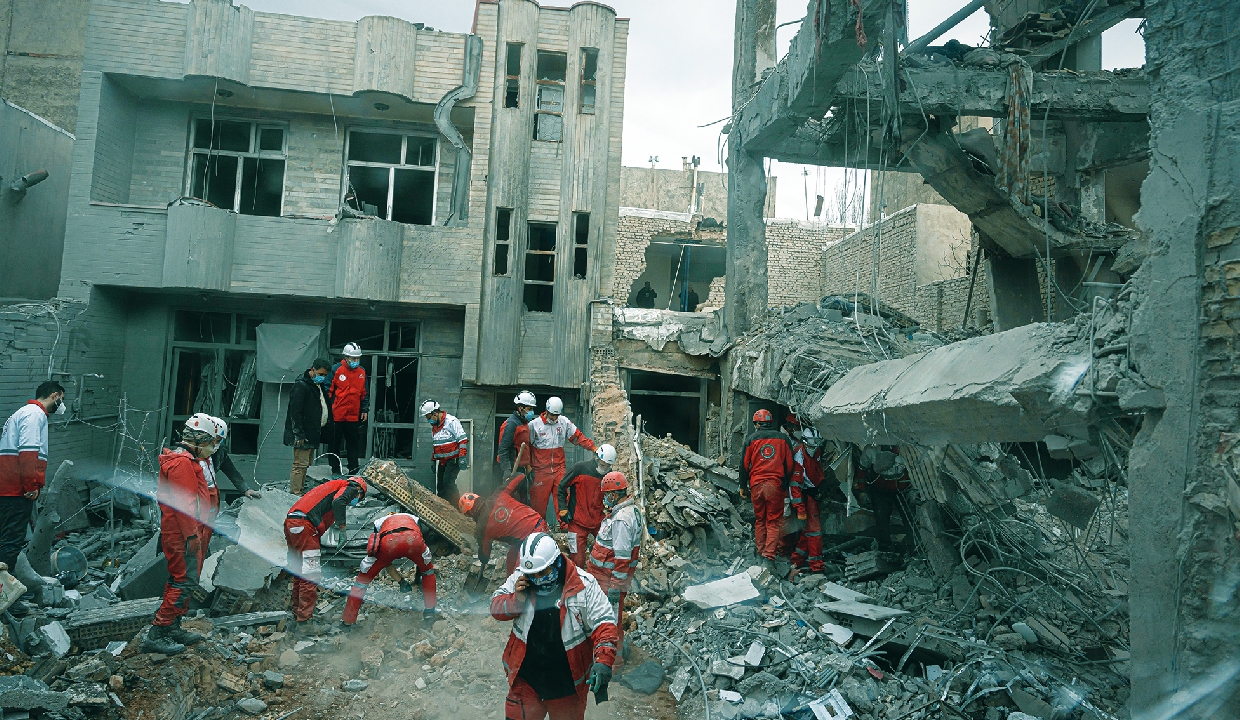
Iran and the United States appeared at an impasse Thursday, with each side hardening its position over talks and setting the stage for another potential escalation in the Middle East war.
Thousands more US troops neared the region, while Tehran tightened its grip on the crucial Strait of Hormuz. Sirens over Israel warned of barrages of incoming Iranian missiles and Gulf nations worked to intercept fire. Heavy strikes were reported in Iran’s capital and other cities.
In a war that appears defined by who can take the most pain, the US has offered shifting but ambitious objectives, including ensuring Iran’s missile and nuclear programs are no longer a threat and ending Tehran’s support for armed groups in the region. Washington at one point also pushed for the overthrow of Iran’s theocracy.
While the US-Israeli campaign has hit Iran’s military and Government hard, killing top leaders and striking scores of targets, Iran continues to fire missiles and there is no sign of an uprising against the Government.
For Iran’s leadership, by contrast, merely outlasting the onslaught could be seen as victory.
It may be hoping to get the US to back down because it is successfully roiling the world economy with its stranglehold on the Strait of Hormuz, raising prices at the pump for drivers, prices in the grocery store for families and costs for businesses the world over. A Gulf Arab bloc said Thursday that Iran is exacting tolls to ensure safe passage of ships.
The US and Iran have both produced a list of demands, and now appear at an impasse. Short of a negotiated solution, the US would need a dramatic escalation to end Iran’s attacks and restore the free flow of oil through the strait.
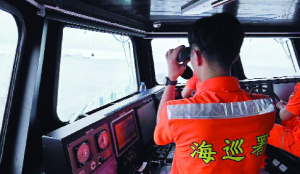
Trump vowed to strike Iran’s power plants if it doesn’t fully reopen the strait, and his new deadline for that looms this weekend, when the war will also mark a month. With its stranglehold on traffic through the Strait of Hormuz, which leads from the Persian Gulf toward the open ocean, Iran has been blocking ships it perceives as linked to the US and Israeli war effort, but letting through a trickle of others. Jasem Mohamed al-Budaiwi, of the Gulf Cooperation Council, a bloc of six Gulf Arab nations, said Iran was charging for safe passage through the strait. The Fars and Tasnim news agencies, both close to Iran’s paramilitary Revolutionary Guard, quoted lawmaker Mohammadreza Rezaei Kouchi as saying that parliament was working to formalize that process.
“We provide its security, and it is natural that ships and oil tankers should pay such fees,” he was quoted as saying. Lloyd’s List Intelligence called it a “de facto toll booth regime.”
“While not all ships are paying a direct toll, at least two vessels have and the payment is settled in yuan,” Lloyd’s List said, referring to China’s currency.