Iran targets US bases in Gulf after American strikes, raising fears over fragile Middle East ceasefire
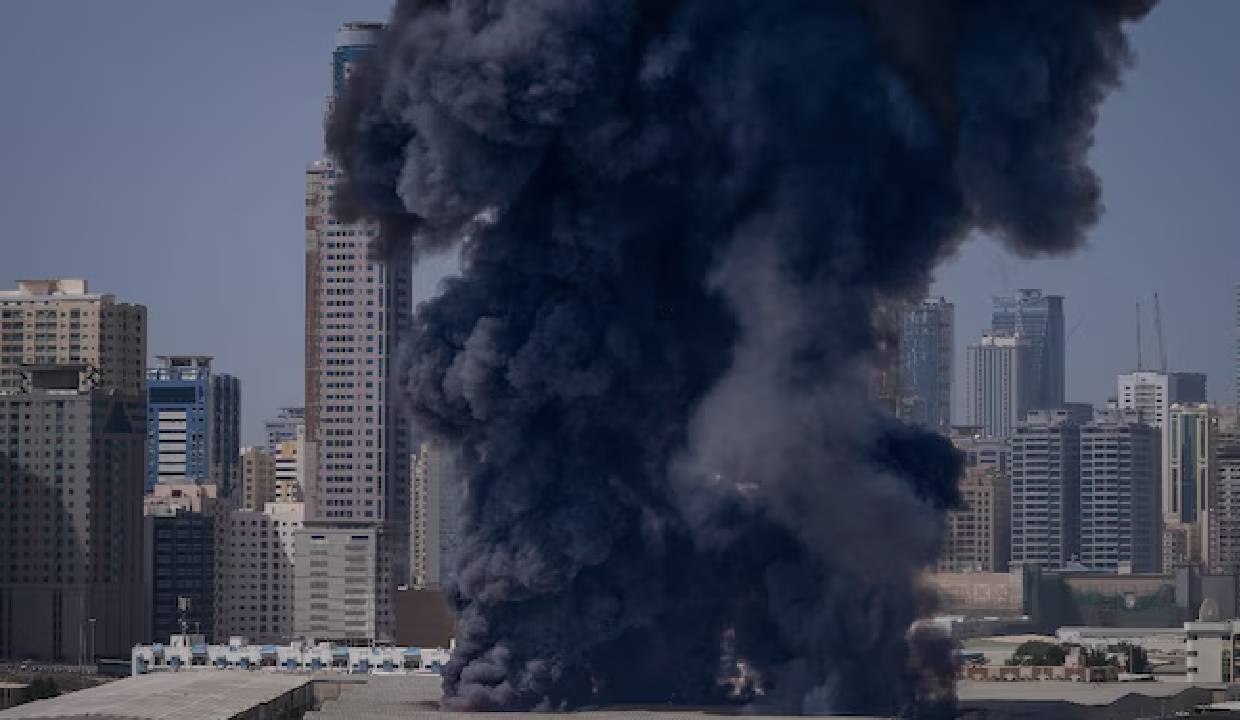
Iran launched missile and drone attacks targeting American military bases in the Gulf on Saturday, hours after the United States said it had intercepted Iranian drones and struck radar installations along Iran’s southern coast. The latest exchange has intensified concerns over the stability of a fragile ceasefire and ongoing diplomatic efforts aimed at reducing tensions in the Middle East.
According to the US military, four Iranian drones heading toward the Strait of Hormuz were shot down because they posed a threat to maritime traffic. American forces also targeted coastal surveillance radar sites, describing the action as a defensive measure against future attacks. The Strait of Hormuz remains one of the world’s most important energy corridors, and continued disruptions have fueled volatility in global oil markets.
Iran’s Revolutionary Guards later announced strikes against what they described as “enemy bases” in the Gulf region. Following the attacks, Kuwait and Bahrain activated air raid alerts, while Kuwaiti authorities reported responding to missile and drone threats. US Central Command said Iran fired seven ballistic missiles toward Kuwait and Bahrain, with six intercepted and another failing to reach its target. The US military added that there were no reports of casualties among American personnel.
The escalation comes despite ongoing efforts by Washington and Tehran to extend a temporary ceasefire and restart negotiations over Iran’s nuclear programme. US President Donald Trump said discussions were progressing but acknowledged that reaching an agreement remained difficult. He also claimed that Iran still retains more than one-fifth of its missile arsenal, suggesting Tehran continues to possess significant military capabilities.
Meanwhile, tensions remain high in Lebanon, where clashes between Israel and the Iran-backed Hezbollah movement continue despite a recently announced truce. Analysts warn that renewed violence across multiple fronts could further undermine diplomatic efforts, complicate ceasefire negotiations and increase instability across the wider Middle East region.A