Iran rejects US push for 15-point truce proposal
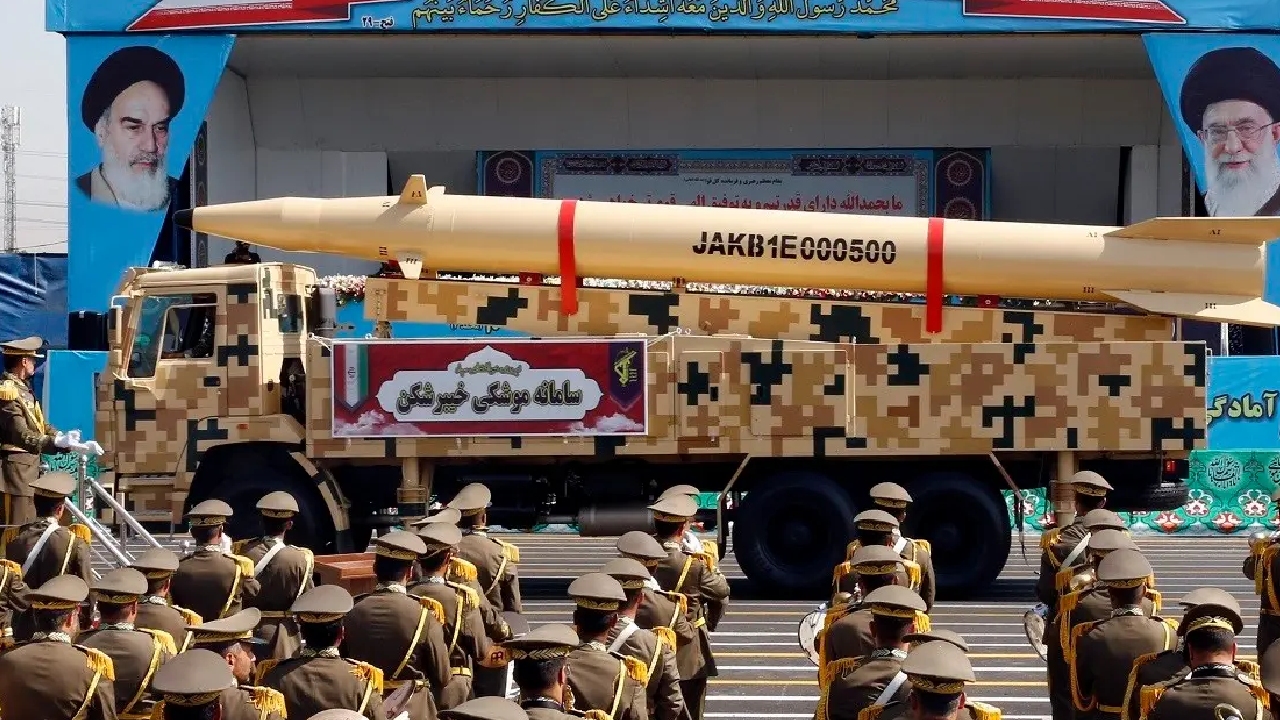
The White House on Wednesday said talks ‘have not’ hit a dead end even as Iran firmly rejected a US-proposed 15-point ceasefire plan aimed at halting the ongoing conflict involving Iran, Israel, and the US. Tehran simultaneously launched new military operations targeting Israel and Gulf Arab countries, including a fire at Kuwait International Airport.
Citing its conditions, Iran dismissed the US plan transmitted via Pakistan, asserting it will end the war on its own terms. "Heavy blows" will continue across the region, an anonymous Iranian official told Press TV. Iran has reportedly demanded an immediate halt to hostilities, guarantees against future military action, compensation for damages, and full sovereign control over the Strait of Hormuz, while rejecting any restrictions on its missile programme.
The US plan, proposed nearly a month after the conflict escalated under Donald Trump, included a one-month truce, suspension of uranium enrichment, dismantling of nuclear facilities at Natanz, Isfahan, and Fordo, transfer of enriched uranium to the IAEA, and limitations on Iran's missile programme and support for proxy groups. In return, Washington offered lifting of economic sanctions, support for civilian nuclear energy, and removal of the "snapback" mechanism.
Pakistan has emerged as a key intermediary, with Asim Munir facilitating backchannel communications, though Tehran's hardline stance complicates negotiations.
The conflict has severely disrupted global trade and energy flows. Nearly 20 million barrels per day of crude oil normally pass through the Strait of Hormuz, but access has fallen to 3.5-5.5 million barrels. LNG exports from Qatar and the UAE are constrained, while storage limits and attacks on infrastructure have forced Saudi Arabia to scale back production. Fertilizer exports are also affected, threatening agricultural output, and maritime insurance and logistics costs have surged.
The human toll mounts: over 2,000 deaths have been reported, including 1,200 in Iran, 1,000 in Lebanon, 17 in Israel, and 15 in the US. Iran maintains the Strait of Hormuz is open to vessels not linked to its "enemies," emphasizing diplomacy but insisting on cessation of aggression and restoration of trust.Analysts warn the coming weeks will be decisive, determining whether diplomatic channels can succeed or whether the conflict will further destabilize the region and global markets.
US proposal
- One-month ceasefire to enable formal negotiations
- End to nuclear weapons capability
- Immediate halt to uranium enrichment within Iran
- Ensure uninterrupted access through the Strait of Hormuz
- Transfer of highly enriched uranium stockpile to the International Atomic Energy Agency
- Dismantling of major nuclear facilities at Natanz, Isfahan, and Fordo
- Full inspection access granted to IAEA monitors
- Withdrawal from regional proxy activities
- End to support for allied armed groups
- Limits on missile range and arsenal size
- Missile use restricted strictly to self-defence
IRAN’S REPORTED COUNTER-DEMANDS
- Immediate end to hostilities between the US and Iran
- Binding guarantees against future US military action
- Financial compensation for war-related damages
- Full sovereign control over the Strait of Hormuz
- No negotiations or limits on ballistic missile programme, deemed a non-negotiable deterrent