Iran conflict may end soon, Trump says ahead of address
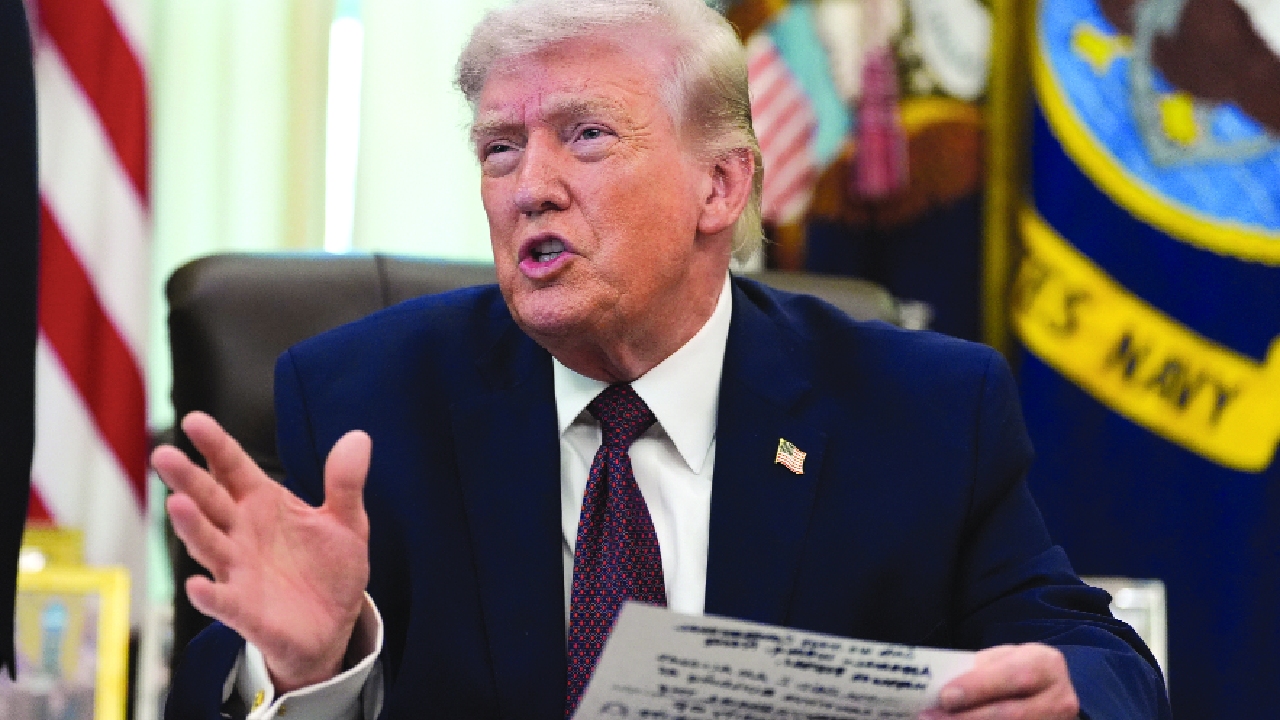
US President Donald Trump has indicated that the United States may soon wind down its military engagement in Iran, while retaining the option to carry out limited, targeted strikes if required.
In an interview with Reuters, Trump suggested that the conflict could draw to a close in the near future, while stopping short of offering a deadline. “I can’t tell you exactly… We’re going to be out pretty quickly,” he said, signalling a potential shift in Washington’s military posture.
The US leader maintained that recent American operations have significantly degraded Iran’s nuclear capabilities, asserting that Tehran is currently unable to advance a nuclear weapons programme. He added that once strategic objectives are achieved, US forces would be withdrawn, but could return for “spot hits” in response to emerging threats.
Trump’s remarks come ahead of an anticipated national address. President Donald Trump is scheduled to address the nation at 9 p.m. Eastern time on Wednesday regarding the ongoing conflict with Iran, according to the White House.
Press secretary Karoline Leavitt described the upcoming remarks as “an important update,” but did not provide additional details on the content of the address.
The announcement follows comments made by Trump on Tuesday, in which he expressed optimism about the duration of the conflict. The president stated that he expected the situation to be resolved within “two to three weeks,” adding that U.S. involvement would be ending shortly. “We’ll be leaving very soon,” Trump said, while also suggesting that global energy markets would stabilize afterward. He predicted that gas prices would “come tumbling down” once the conflict subsides.
Earlier, Trump also hinted at possible diplomatic openings, describing Iran’s current leadership as comparatively less hardline than its predecessors. However, he underscored that any ceasefire arrangement would hinge on the uninterrupted functioning of the Strait of Hormuz-a critical artery for global energy supplies.
Trump also downplayed concerns about the blockade of the Strait of Hormuz, a critical global shipping route through which approximately one-fifth of the world’s oil supply passes. Despite the disruption, the president indicated that the United States would not play a role in addressing the situation.
“We’re not going to have anything to do with it,” he said, adding that the issue would primarily affect other nations dependent on the route.
On the other side, Iran’s Foreign Minister Abbas Araghchi asserted that the strait lies within the territorial jurisdiction of Iran and Oman, and could be restricted for countries engaged in hostilities with Tehran. He described such measures as consistent with wartime norms.
Araghchi further noted that while some nations have held discussions with Iran regarding passage through the waterway, others have opted to avoid the route due to escalating security risks and rising insurance costs.
The Strait of Hormuz remains a focal point of international concern, as its closure has raised fears of prolonged economic and energy impacts worldwide. Analysts and global leaders continue to monitor developments closely ahead of Trump’s address.
With tensions persisting, the situation remains dynamic, shaped by parallel military developments and ongoing diplomatic manoeuvres, with significant implications for regional stability and global energy markets.