Iran announces closure of Strait of Hormuz after fresh US strikes
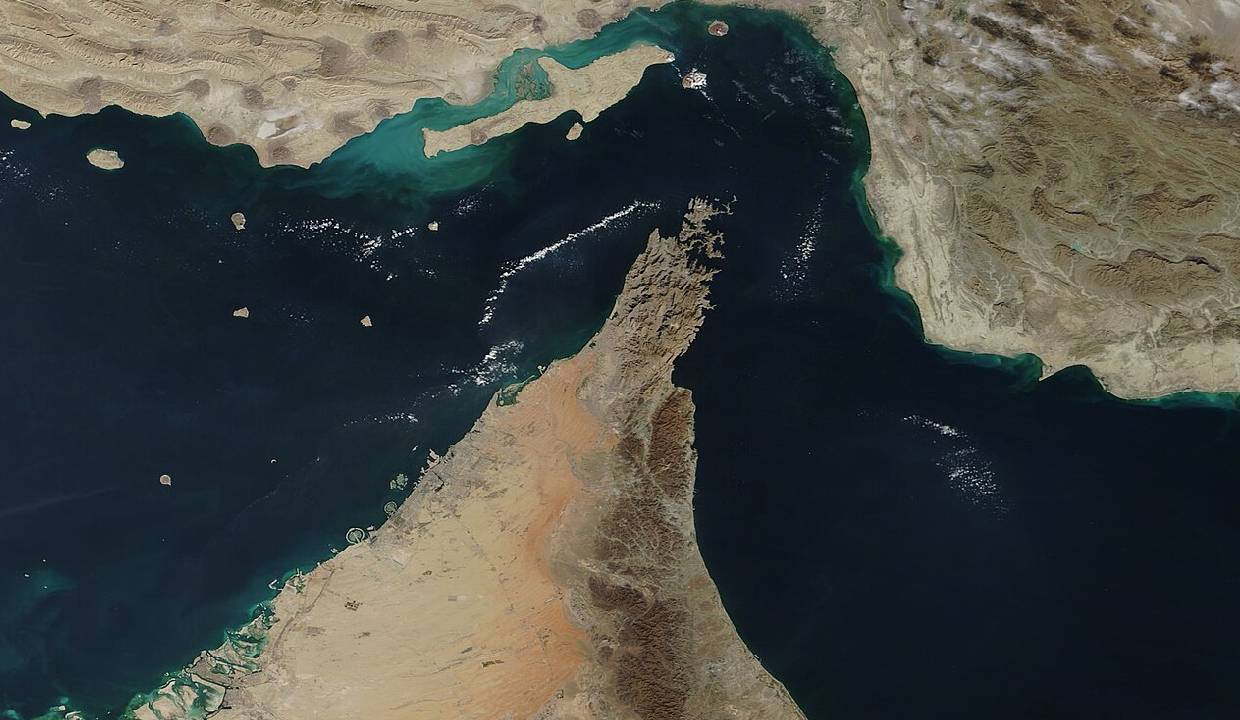
Tensions in West Asia have intensified dramatically after Iran announced the closure of the Strait of Hormuz following a second consecutive night of US military strikes targeting Iranian infrastructure near the strategic waterway.
According to US Central Command, the strikes were conducted in self-defence and targeted Iranian air defence systems, radar installations, and surveillance facilities in southern Iran, including locations used to monitor maritime traffic. Explosions were reported near Bandar Abbas and on Qeshm Island as the conflict entered a more volatile phase.
In response, Iran launched missile and drone attacks against multiple US military facilities across the region, describing the operation as retaliation for the latest American strikes.
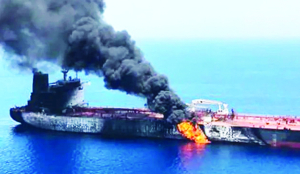
Iranian military authorities subsequently declared the closure of the Strait of Hormuz and warned that commercial vessels attempting to transit the route could face attacks. The United States, however, rejected Iran’s claim, stating that commercial shipping continued to move through the waterway and denying reports of damage to US naval assets.
The escalating confrontation has rattled global energy markets, with oil prices rising amid concerns that disruptions in one of the world's most important energy transit routes could impact global supply chains.
The conflict has also expanded beyond Iranian territory. Iran’s Islamic Revolutionary Guard Corps (IRGC) claimed responsibility for missile and drone attacks targeting US military facilities in Bahrain, Kuwait, and Jordan. Iranian media reported that ballistic missiles were launched at Jordan’s Muwaffaq Salti Air Base, alleging damage to military infrastructure.
Neither Jordan nor the United States has confirmed those claims. However, regional governments reported heightened military activity, with air defence systems activated and aerial threats intercepted across several countries.
Kuwait temporarily suspended air traffic after detecting hostile aerial targets in its airspace, while Bahrain issued security alerts and reported interceptions of incoming drones. Local reports from Bahrain indicated that drone debris fell in residential areas, causing minor injuries and property damage.
Amid the worsening security situation, governments across the Gulf region have urged residents to follow civil defence advisories and remain alert.
The US Embassy in Jordan also issued an emergency advisory warning of missile, drone, and rocket activity in Jordanian airspace, advising American citizens to seek shelter and closely monitor official updates.
Meanwhile, regional tensions were further heightened by reports of an Israeli strike near Baalbek in Lebanon’s Bekaa Valley. While there was no immediate confirmation from Israeli authorities, the development comes amid ongoing hostilities involving Iran-backed Hezbollah forces.
With military operations now reported across multiple countries and concerns growing over the security of key shipping lanes, fears are mounting that the conflict could escalate into a broader regional crisis.