India to keep distance in West Asia crisis
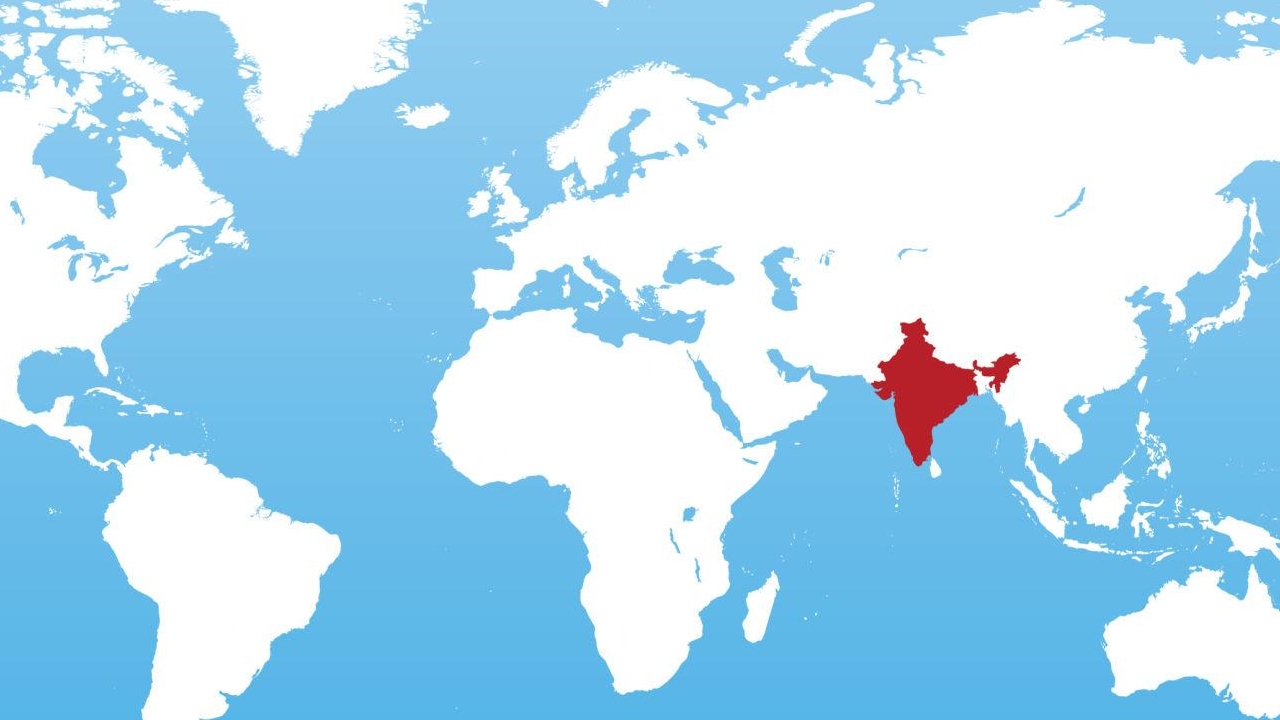
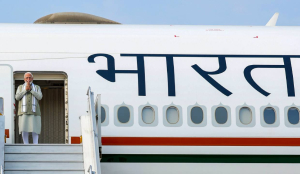
India will not play a mediatory role in the West Asia crisis, a top Government of India official told The Pioneer. The official said that this is neither the right time nor a feasible situation for India to intervene as a mediator, despite its strong and balanced ties with all three nations involved — the US, Israel and Iran.Several influential voices have publicly backed India’s potential role. Former US official Douglas MacGregor argued that Prime Minister Narendra Modi could act as an effective intermediary, citing India’s neutrality and growing global stature. Similarly, former UAE envoy Hussain Hassan Mirza suggested that India’s leadership holds the diplomatic weight to push for a ceasefire.
Most recently, Finnish President Alexander Stubb, during his India visit said that India could play a constructive role in de-escalation. “We need a ceasefire. I’m wondering if India can actually get involved,” he said, referring to External Affairs Minister S Jaishankar’s earlier call for restraint and dialogue.
However, as of now, there has been no diplomatic signal from New Delhi on active mediation, even as divisions over the crisis continue to emerge within interGovernmental fora such as BRICS.
China has been the only major power to openly signal willingness to mediate, but Beijing’s position is widely viewed with skepticism due to its close strategic and economic ties with Tehran, including energy dependence and defence-linked cooperation.
Officials indicate that India is instead focused on urging restraint, safeguarding its strategic interests, and ensuring the safety of its nationals in the conflict-hit region, rather than taking on direct diplomatic intervention.
Experts say India’s approach is a calculated exercise in strategic prudence. Robinder Sachdev, founder president of The Imagindia Institute, said that the US-Israel-Iran conflict is driven by deep ideological divides and entrenched national interests, making any public mediation extremely challenging at this stage.
“India is right to stay out of the front line for now,” Sachdev says, adding that New Delhi is quietly working through back-channel diplomacy to ease tensions - a method that protects its credibility while reducing the risk of high-profile setbacks.
This cautious stance contrasts sharply with India’s more visible “pro-peace” role in the Russia-Ukraine war. There, Prime Minister Narendra Modi actively engaged with both Moscow and Kyiv, advocating for dialogue and a diplomatic resolution. Ukrainian President Volodymyr Zelenskyy even acknowledged India’s influence during PM Modi’s 2024 visit, stating: “India will play its role. You are a big country. You have a big influence and you can stop Putin.”