India’s first chlorinated polyethylene plant to come up in Punjab
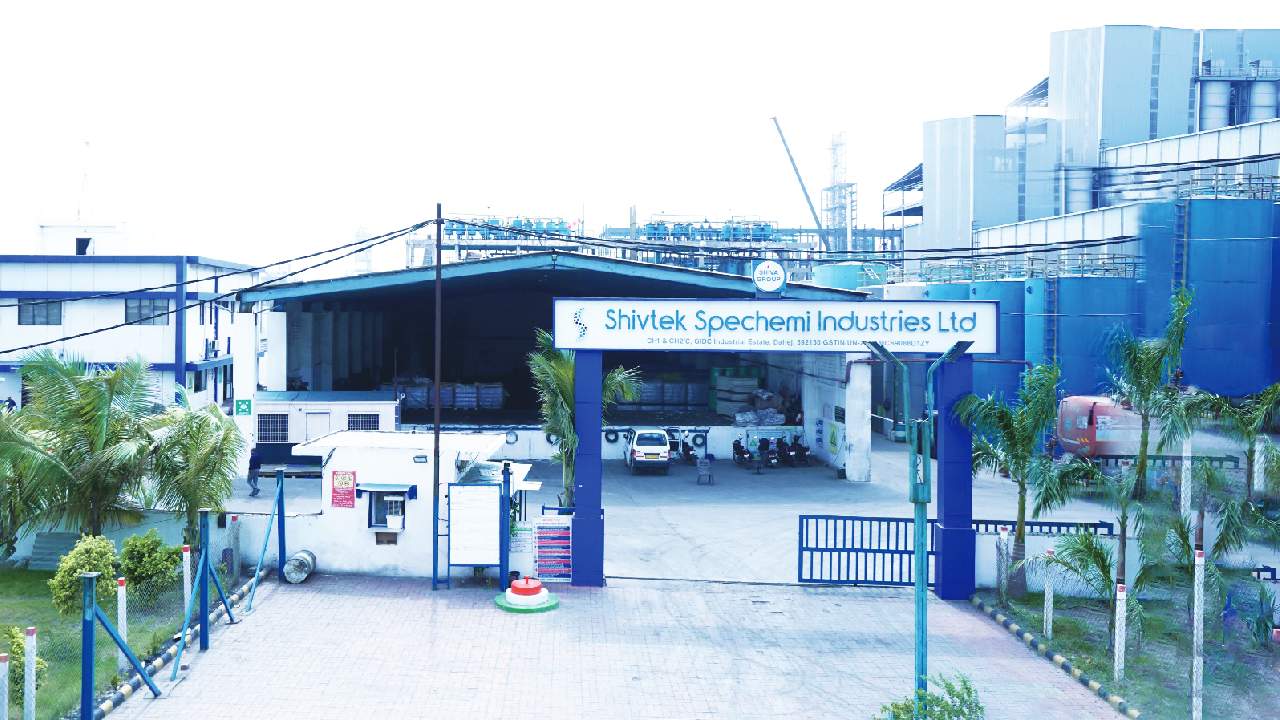
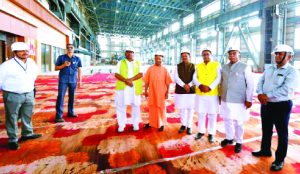
Rajpura in Punjab is set to host India’s first manufacturing facility for Chlorinated Polyethylene (CPE), a versatile raw material used widely in plastics, rubber, and wood-plastic composites (WPC). The manufacturing of CPE will happen in the upcoming new manufacturing facility being commissioned by Shivtek Spechemi Industries Ltd which has signed an MoU with Bodal Chemicals Ltd. to acquire eight acres of land for the new unit, backed by an investment of `50 crore.
India currently does not produce CPE domestically, while being one of the leading consumers of the chemical product. Nearly 2,000 metric tonnes are imported annually, mostly from China, which dominates the global CPE industry with output running into several hundred thousand tonnes. The Rajpura plant is seen as an important step towards reducing import dependence and strengthening the local supply chain.
“Our main focus with this investment is enabling the WPC industry, which provides sustainable and durable substitutes for wood,” said Amitt Nenwani, Managing Director, Shivtek Spechemi Industries Ltd “It supports the construction and furniture sectors while aligning with environmental priorities such as reducing deforestation.”
CPE is especially critical for producing WPCs, which are emerging as substitutes for natural wood in flooring, decking, furniture, doors, and outdoor structures. As demand grows in construction and interiors, the availability of CPE locally could help India’s transition to eco-friendly alternatives while easing pressure on forests.
Beyond WPCs, CPE has applications in infrastructure and industrial products, from pipes, profiles, and roofing membranes to cable jacketing, automotive hoses and seals, conveyor belts, and even magnetic materials. Industry experts point out that local production could create oppo-rtunities for several downstream sectors that currently depend on imports.
Rajpura was chosen for its proximity to Bodal Chemicals’ chlorine facility, enabling direct pipeline supply of a key raw material. “This location allows us to enhance efficiency, cut logistics costs, and reduce carbon emissions,” Nenwani said.
Operations are expected to begin by late 2026, subject to regulatory clearances. Observers note that while India’s CPE market is still small compared with China’s, the demand trajectory signals growth potential. The project is also expected to generate jobs in manufacturing, engineering, and support functions in Punjab.