Hungary’s Orban faces a tough election battle
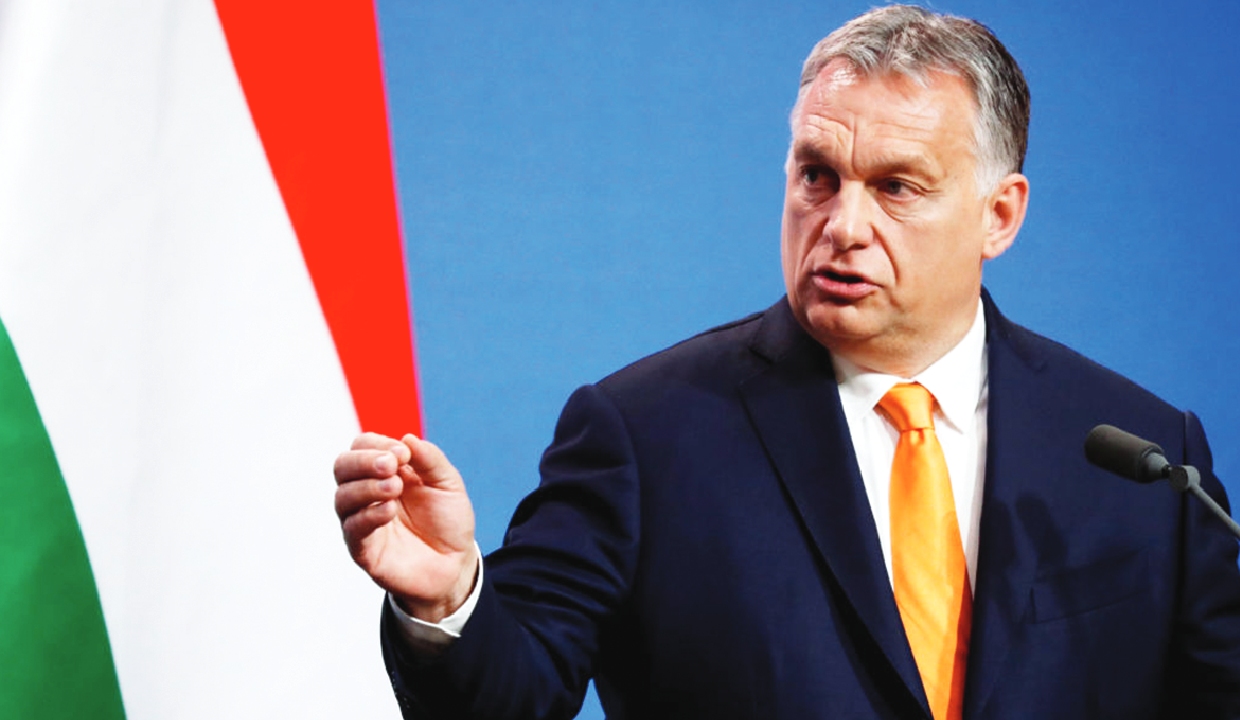
Hungary’s elections on April 12 will have profound aftershocks as many in the European Union hope for the defeat of nationalist Prime Minister Viktor Orban, who is widely seen as endangering the future of the 27-nation bloc.
Orban, the EU’s longest-serving leader, has trailed in the polls. His 16-year grip on power has tested the EU system of governance meant to ensure peace through economic and political integration after the ravages of the world wars. His rival, Peter Magyar, told the Associated Press he would repair Hungary’s relationship with the EU if elected. The EU is grappling with enormous threats: the rise of right-wing populism, conflicts in Ukraine and the Middle East, Russian sabotage efforts, Chinese economic expansion and a White House that is upending decades of transatlantic cooperation.
But Orban’s vetoes have limited EU responses.
Lawmakers and analysts say he has used his right of veto and a deep understanding of how the bloc disperses funding to members to entrench his power and gain outsize influence by blocking decision-making to extract concessions. “He entered a club, read the rules, figured out how he can rig the rules, and then started to be a free rider and blackmail all of the other club members,” said Daniel Hegedus, deputy director with the Berlin-based Institute for European Politics. “The question is, how long will the club members tolerate it?”
It didn’t start that way. After the Cold War, Hungary joined the EU along with nine other countries in 2004 in the bloc’s largest expansion ever. There was widespread optimism for Hungary, said Jim Townsend, a fellow at the Centre for a New American Security. But after economic crises, Orban came to power by promising prosperity to the rich and poor alike, said Gabor Scheiring, a former Hungarian lawmaker now teaching at Georgetown University in Qatar. He also built bonds with conservative politicians across the bloc.
Orban began vilifying the EU, often comparing Brussels to the Soviet Union, even while receiving massive amounts of EU money, and resisting pressure to reverse democratic backsliding. From 2014 until 2022, “Hungary was one of the biggest beneficiaries of EU funds,” Scheiring said.