
Taiwanese puppetry stands as both an artistic treasure and a symbol of cultural resilience
In an age shaped by digital entertainment and rapid technological change, Taiwan has successfully preserved one of its most remarkable traditional art forms - puppetry. Deeply connected to folk religion, storytelling and community traditions, Taiwanese puppetry reflects the island’s ability to protect its cultural heritage while embracing modernity. Today, puppetry is not simply a remnant of the past but a living cultural practice that continues to evolve through television, cinema, education and international exchanges.
Taiwanese puppetry traces its origins to migrants from China’s Fujian province during the seventeenth and eighteenth centuries. Over time, Taiwan developed its own distinctive performance styles. The best-known form is budaixi, or glove puppetry, in which performers manipulate hand puppets using precise finger movements while narrating dramatic stories accompanied by music and sound effects.
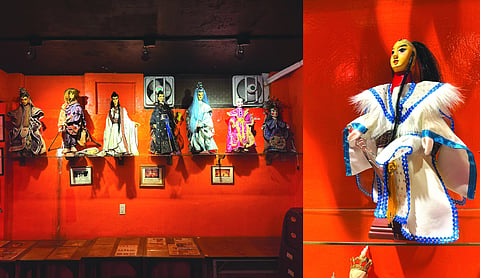
Traditional performances were commonly staged in temples and village squares during festivals and religious ceremonies. These shows depicted historical tales, martial arts legends and moral stories. The puppets themselves are intricately designed with embroidered costumes and finely carved wooden heads.
Taiwan has modernised this ancient art without losing its essence. The most influential example is Pili International Multimedia, which transformed traditional glove puppetry into a modern entertainment industry by combining classical techniques with cinematic storytelling, digital effects and contemporary music. Government support through museums, festivals and educational programmes has also helped preserve the art.
Schools across Taiwan regularly organise puppetry workshops for children, ensuring younger generations remain connected to the craft. Cultural institutions such as the Taipei Puppet Theater Museum document the history, techniques and craftsmanship of puppetry while also encouraging research, exhibitions and international collaborations.