Henley Index: Indian Passport climbs to 80th spot
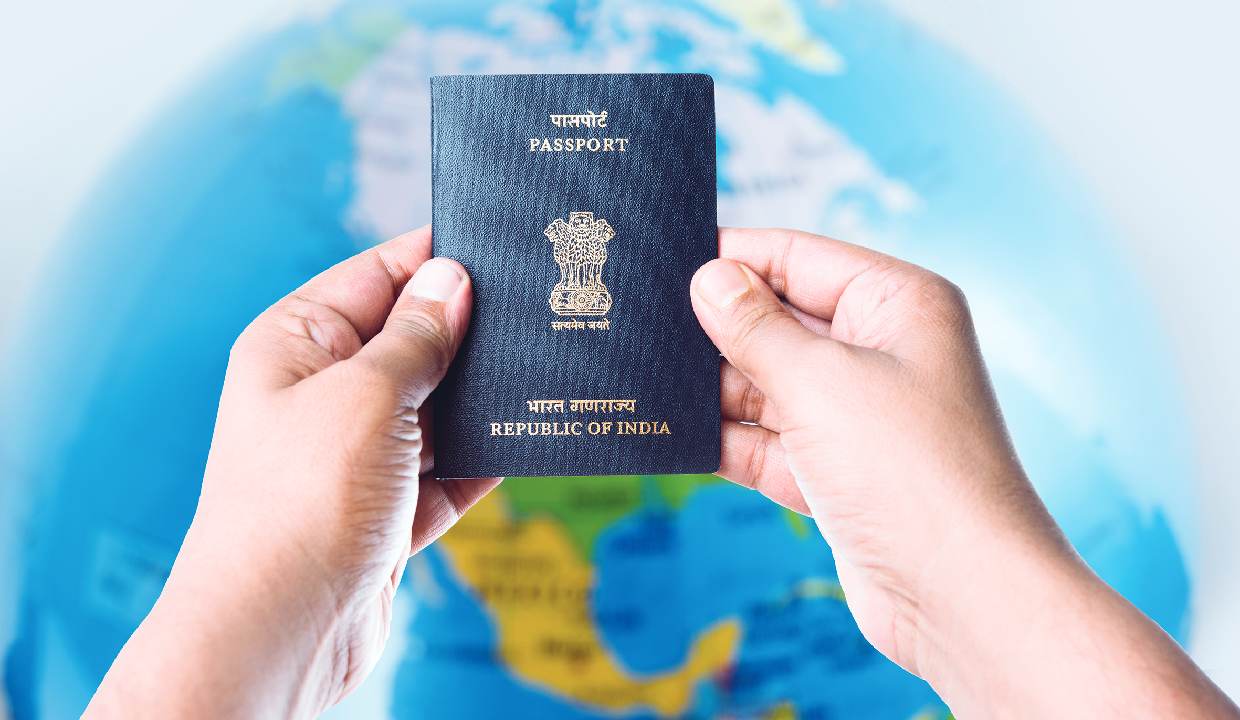
If you’re an Indian passport holder planning overseas travel in 2026, the latest Henley Passport Index offers a mixed picture of progress and persistent limitations. India has moved up five places to rank 80th globally in the 2026 index, gaining visa-free, visa-on-arrival, or electronic travel authorisation (eTA) access to 55 destinations.
Despite the improvement, India continues to sit in the lower half of the global mobility rankings, sharing its position with Algeria and Niger. The rise marks a modest improvement from 2025, when India was ranked 85th, indicating gradual expansion in travel access even as the gap with the world’s most mobile nations remains wide.
The Henley Passport Index evaluates 199 passports against 227 global destinations. A passport earns a score of one for each destination where no prior visa is required, including visa-on-arrival and eTA arrangements.
The cumulative total determines each country’s ranking. The 2026 rankings once again highlight the stark imbalance in global travel freedom. Singapore retains its position as the world’s most powerful passport, allowing access to 192 destinations without a prior visa. Japan and South Korea share second place with access to 188 destinations, while European nations continue to dominate the top tier, with most offering visa-free entry to more than 180 countries.
At the opposite end, Afghanistan remains the lowest-ranked passport, granting access to just 24 destinations. With the global average now exceeding 100 destinations, India’s position underscores how far it still trails the most privileged passports worldwide.
Commenting on the findings, Dr. Christian H Kaelin, Chairman of Henley & Partners and creator of the index, noted that while international mobility has expanded significantly over the past two decades, access remains uneven. He said passport strength increasingly shapes opportunity, economic participation, and security, with advantages concentrated among the world’s most stable and affluent nations.
Asia continues to assert its leadership at the top of the rankings, while Europe maintains a strong collective presence. Denmark, Luxembourg, Spain, Sweden, and Switzerland occupy third place, followed by an unprecedented tie of ten European countries in fourth.
Outside Europe, the UAE ranks 5th, followed by New Zealand (6th), Australia (7th), Canada (8th), and Malaysia (9th).
The United States has re-entered the Top 10 after briefly slipping out in late 2025. However, both the US and the UK—once joint holders of the number one spot in 2014—recorded their sharpest year-on-year declines, losing seven and eight visa-free destinations respectively over the past year.
Over the last 20 years, the United Arab Emirates has emerged as the strongest long-term performer, adding 149 visa-free destinations since 2006. The country has climbed 57 places to rank 5th in 2026, a rise driven by sustained diplomatic outreach and visa liberalisation.
Significant gains have also been recorded across Eastern Europe and the Western Balkans. Albania has surged 36 places to rank 43rd, while Ukraine, Serbia, North Macedonia, Bosnia and Herzegovina, and Georgia have all posted notable improvements, reflecting the impact of regional integration and closer alignment with international partners.
While India’s improved ranking signals incremental progress, the 2026 index makes clear that global mobility remains deeply unequal. For Indian travellers, the passport is gradually opening more doors—but meaningful parity with the world’s most powerful passports remains a long-term goal rather than an immediate reality.