HC permits several restaurants in Khan Market to operate without fire NOC
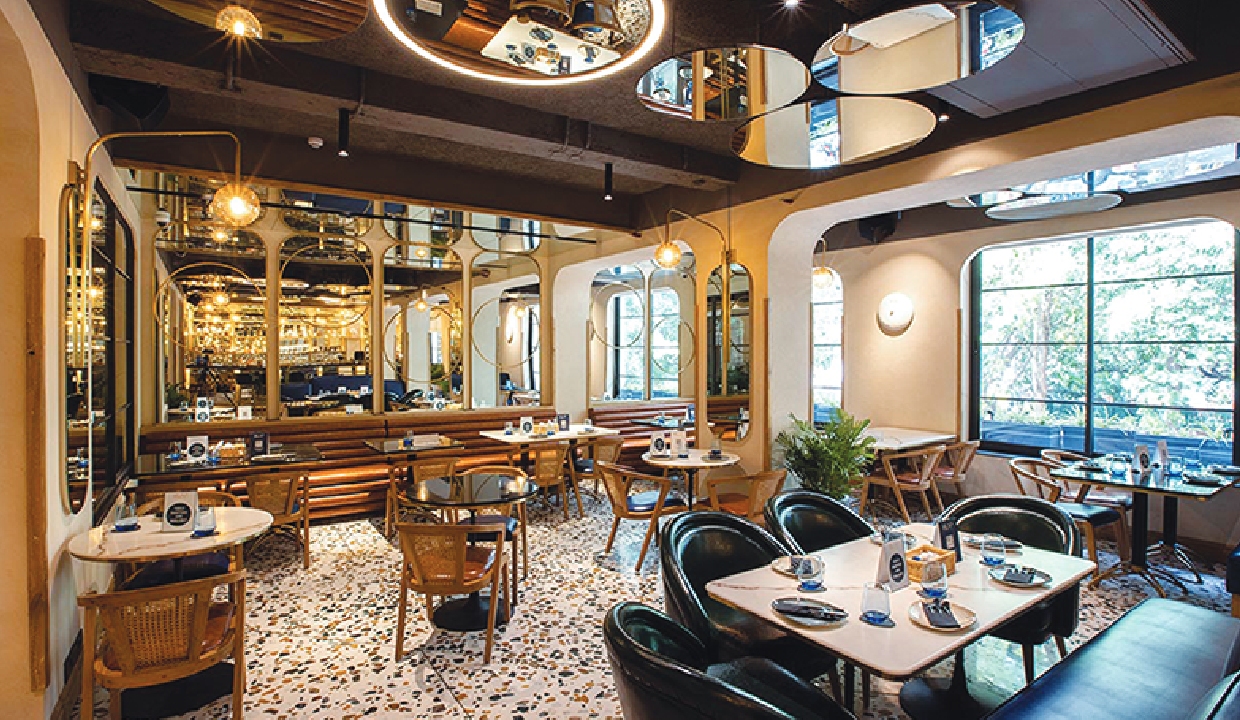
Terming Khan Market the “shaan of Delhi”, the Delhi High Court on Friday permitted several restaurants in the area to operate without a fire NOC if they maintained occupancy of less than 50 people.
Justice Purushaindra Kumar Kaurav observed that the outlets were situated in the city’s most prestigious and historically significant commercial area, which has “structural constraints” since its inception, and the court did not want these eateries to shut down due to any “extraneous” situation.
The court was dealing with a batch of petitions by several Khan Market outlets, including Khan Chacha, Anglow, Starbucks Coffee, and Sly Granny. The restaurants sought renewal of their health licence and other approvals for running their business without the authorities insisting on a fire NOC as a precondition.
“The shops in question are situated in Delhi’s most prestigious and historically significant commercial area. It is also a heritage market. This iconic and unique architecture, character and culture are well-established. Because of structural constraints, the entire market has only one feasible entry and exit point for the first and second floors, where the restaurants are located. This feature remains in existence since its inception,” the court observed.
“The petitioners shall not be denied operation of a restaurant only on account of lack of fire NOC so long as the petitioners maintain an occupancy of less than 50 at a given point of time,” the court ordered.
The court clarified that if any action is contemplated against the petitioners for lack of fire safety measures, it will not be given effect to without 30 days’ prior notice.
The petitioners assured that they would not house more than 50 guests at a time and would comply with all necessary compliance for “non-assembly buildings” except the fire NOC.
Noting that there seemed no reason to disbelieve the petitioners, the court said the petitioners should not be disallowed from running their outlets only on account of structural constraints.