Govt orders PNG shift, tightens LPG access
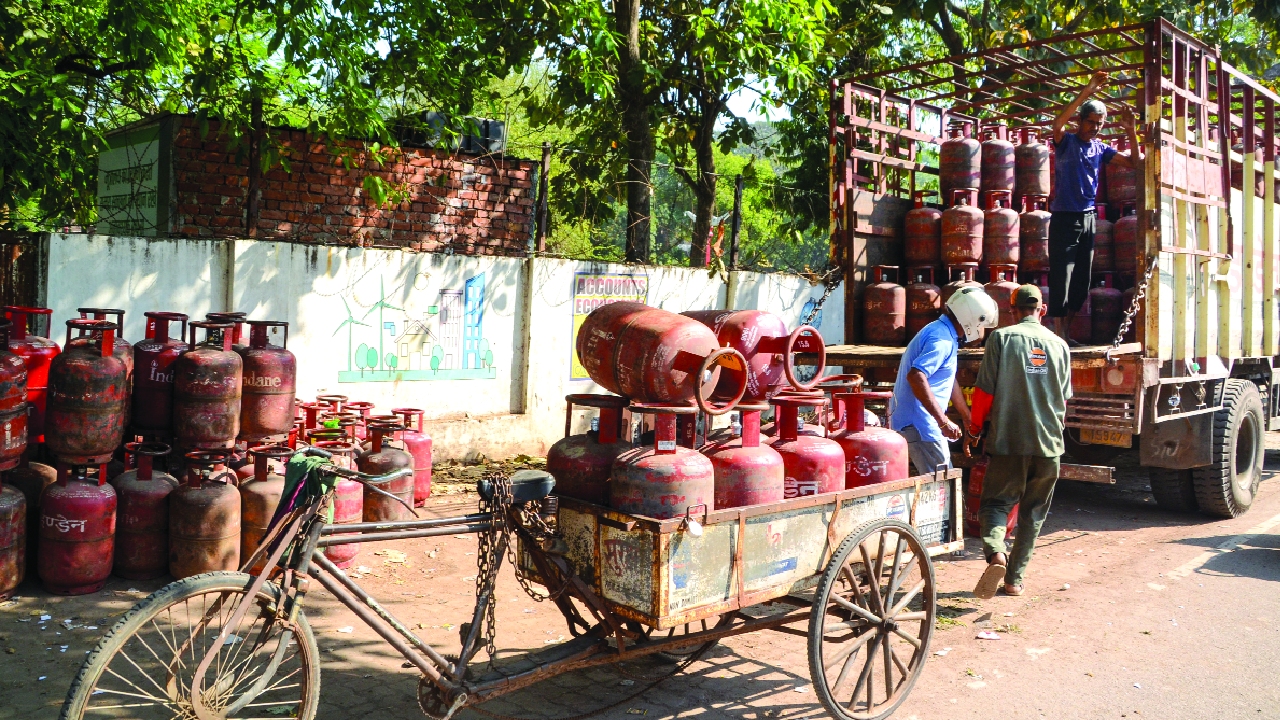
The Centre has mandated a shift from LPG to piped natural gas (PNG) in areas where pipeline infrastructure exists, as part of a new policy aimed at expanding gas networks and improving energy security amid global supply disruptions.
The directive, issued under the Natural Gas and Petroleum Products Distribution Order, 2026 by the Ministry of Petroleum and Natural Gas, seeks to curb LPG supply to households that do not transition to PNG where available. The move comes against the backdrop of the ongoing West Asia crisis affecting global oil and gas supplies.
The order focuses on accelerating pipeline infrastructure, simplifying approvals and enforcing strict timelines. Authorities must grant permissions within set deadlines, failing which approvals will be deemed granted. Residential complexes must provide access for pipeline installation within three working days, while last-mile PNG connections are to be completed within 48 hours. Applications for connectivity cannot be rejected in such notified areas.
Designated officers, vested with powers akin to a civil court, will resolve disputes related to land access and right of way for pipeline installation. The policy also aims to optimise LPG distribution by redirecting supplies from areas with PNG access to regions lacking such infrastructure, while promoting fuel diversification.
Officials said the reforms are intended to improve ease of doing business through time-bound clearances, standardised charges and streamlined procedures for faster project execution.
Separately, the Central Consumer Protection Authority (CCPA) has cracked down on hotels and restaurants levying additional charges such as “LPG charges”, “gas surcharge” or “fuel cost recovery” on consumer bills.
In an advisory issued Wednesday, the CCPA said such charges cannot be imposed automatically. “The price displayed in the menu shall be the final price, exclusive only of applicable taxes,” it said, warning that violations would be treated as unfair trade practices under the Consumer Protection Act, 2019.
The advisory follows reports and social media posts showing eateries adding “gas crisis” fees to bills amid LPG shortages. Authorities clarified that input costs like fuel and electricity must be built into menu pricing and cannot be passed on as compulsory add-ons.