Govt boosts anti-pollution grid with 13 AQI stations, 150 electic buses
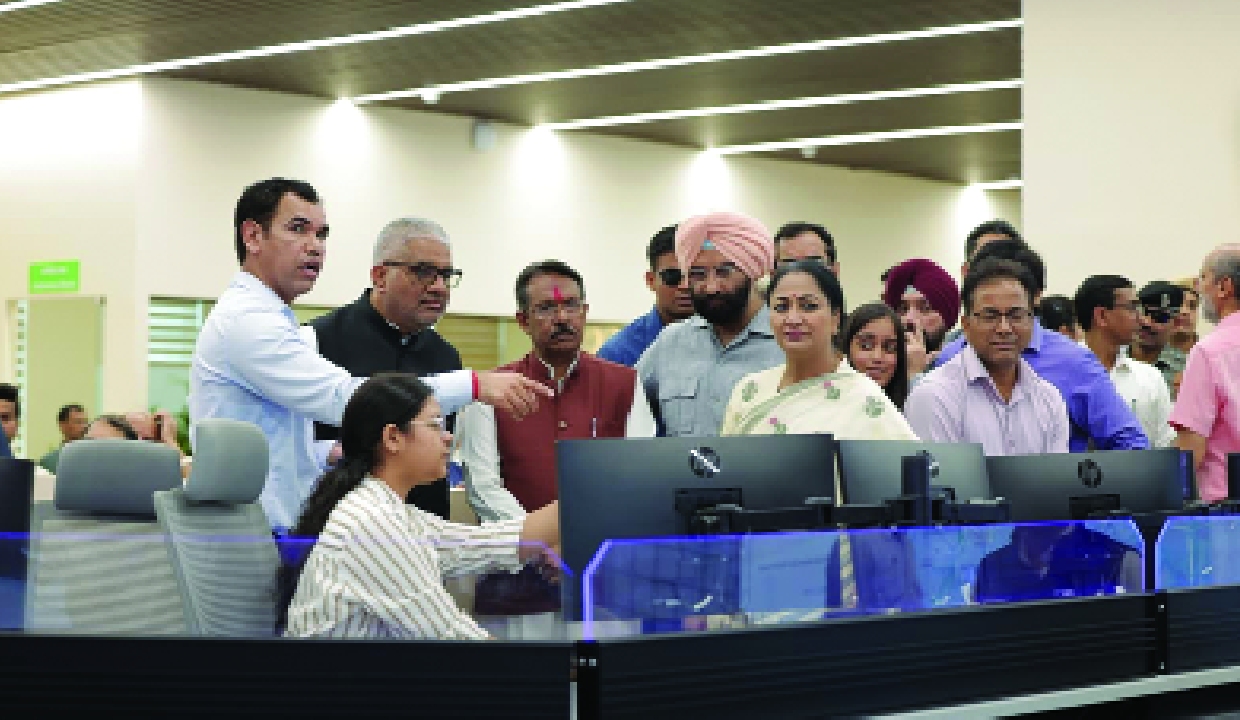
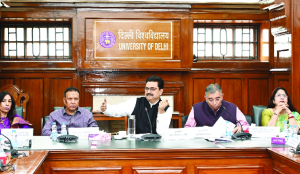
Union Environment Minister Bhupender Yadav and Delhi Chief Minister Rekha Gupta on Tuesday reviewed pollution control measures at the Delhi Pollution Control Committee’s Integrated Command and Control Centre (ICCC).
They also virtually inaugurated 13 air quality monitoring stations, 150 electric buses and four high-capacity charging stations in the national Capital.
During the review, Yadav highlighted the Delhi Government’s 11 action points to tackle air pollution, saying coordinated action by multiple agencies had helped improve air quality at Anand Vihar, a major pollution hotspot in the city.
With the launch of new Continuous Ambient Air Quality Monitoring Stations (CAAQMS), the network has now been expanded to 60 stations from 47, providing real-time air quality data through the CPCB server as well as the SAMEER mobile app. These stations will continuously track major pollutants, including PM2.5 and PM10.
“Air Quality Index (AQI) at Anand Vihar had dropped from 430 on August 30 to 92, attributing the improvement to coordinated efforts by the Government, the traffic police, the public works department and other agencies. Anand Vihar had become a major air pollution hotspot due to traffic congestion, traffic of commuting buses at the bus terminal, road dust along roadsides, etc,” Yadav said.
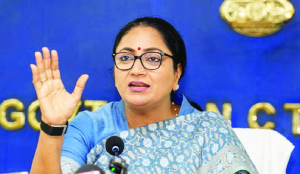
Chief Minister Rekha Gupta said that tackling Delhi’s pollution challenge requires a rapid shift towards electric public transport and stronger supporting infrastructure.
“The addition of 150 electric buses and the launch of public EV charging stations at five locations marked significant progress in this direction. The Government aims to provide better transport facilities to Delhi residents and accelerate efforts to make the Capital cleaner and more sustainable,” Gupta said in a statement.
Union Minister Yadav said the Delhi Government had increased the fleet of electric and CNG buses to more than 6,000 and established charging infrastructure to support their operations.
“Government is addressing all key aspects of pollution control simultaneously, including transport, monitoring and infrastructure. Support from the Central Government, modern technology and coordination among departments would make pollution-control efforts more effective,” Yadav added.
Emphasising a coordinated approach to pollution control, he said the Centre would continue to monitor pollution hotspots across Delhi, with the Delhi Government and the Central Pollution Control Board keeping track of the situation.
Delhi Environment Minister Manjinder Singh Sirsa said the artificial intelligence-based ICCC was functioning as a ‘war room’ against pollution.
“AI, advanced cameras and body cameras are being used to monitor more than 700 construction sites, mechanical road sweepers, air quality monitoring stations, Vayu Rakshak teams and activities such as open waste burning in real time,” Sirsa said.
With 150 new electric buses being added to the Delhi Transport Corporation (DTC) fleet, the number of electric buses in Delhi had risen to around 5,238. The capital’s total bus fleet stood at approximately 6,988.
Transport Minister Pankaj Singh said charging infrastructure was also being expanded alongside the electric bus fleet.
“Five public EV charging stations had been commissioned at five locations, including Anand Vihar, Nand Nagri, Rohini Sector 37, Nangloi and Keshopur depot. These facilities would be available for private electric vehicles as well as electric buses,” Singh said.
He urged Delhi residents to switch to electric vehicles and take advantage of the subsidies and incentives offered under the Government’s EV policy.
Later, responding to questions on the INDIA bloc’s protest over the Special Intensive Revision of electoral rolls, Yadav said the exercise was an ongoing Election Commission process conducted in accordance with established guidelines.
He alleged that Opposition parties have been raising objections selectively, depending on their potential electoral outcomes. He said the process was not new.
The chief minister criticised Opposition leaders over the protests, alleging that they were driven by political ambitions and did not care about party workers, the public or police personnel.
“These people who call themselves the so-called Opposition are so consumed by their political ambitions that they care about no one,” she said, adding that they were attempting to damage the system to fulfil their political objectives.
The chief minister said people across the country were watching the Opposition’s actions and accused it of trying to mislead the public.