Government plans to open shared taxi market to private EVs to cut pollution
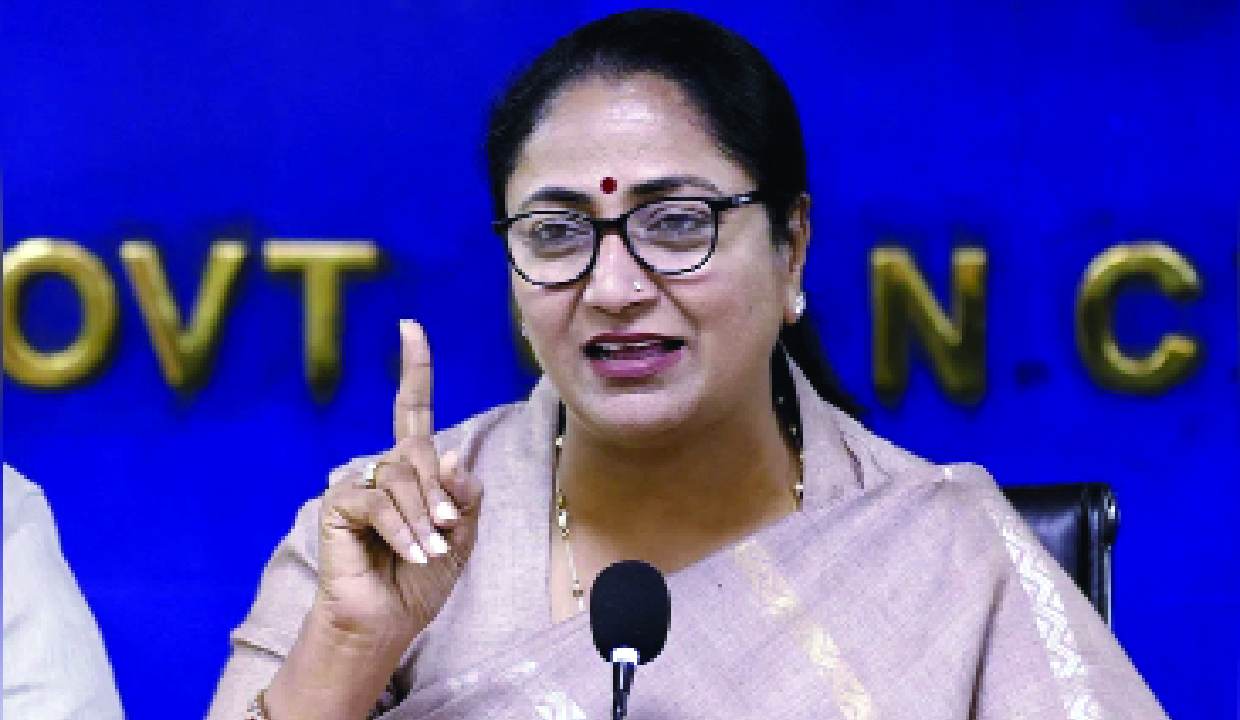
The Delhi government is preparing to allow privately owned electric vehicles to operate as shared taxis. The move aims to reduce traffic congestion and to curb pollution in the capital.
Chief Minister Rekha Gupta on Thursday said the government has agreed in principle to amend existing rules to make this possible and will soon put a mechanism in place to address concerns raised by automobile makers and cab aggregators.
The announcement came after a high-level meeting chaired by the Chief Minister at the Delhi Secretariat with leading automobile manufacturers and ride-hailing companies. “Effective and sustainable control of pollution in Delhi is possible only if we reduce the number of vehicles on the roads,” the Chief Minister said, stressing that shared mobility and rapid adoption of electric vehicles were key to achieving a cleaner Capital.
The meeting was attended by Transport Minister Pankaj Kumar Singh, senior transport department officials, and representatives of vehicle manufacturers, including Tata Motors, Mahindra, Maruti Suzuki, Toyota, and Honda. Executives from aggregators Ola, Uber and Rapido were also present.
The Chief Minister said the government was ready to provide flexibility in rules and extend facilitation to companies to promote electric mobility. At the same time, she made it clear that companies must also play their part. “Transport-related companies have to actively support the government’s mission. Only then can Delhi move quickly towards becoming a Viksit Delhi,” she said.
Manufacturers told the Chief Minister that large-scale deployment of electric vehicles was essential for meaningful pollution control. They called for a people-centric EV policy and sought concessions to strengthen infrastructure, especially charging networks. Responding to these demands, the Chief Minister said the government was willing to provide land for setting up charging stations but urged companies to explore solar-powered charging solutions.
She also underlined the need for responsible waste management. “Battery waste must be handled by the companies themselves so that a new source of pollution does not emerge,” she said, asking manufacturers to submit timelines for meeting demand-based supply of EVs across the city and to structure vehicle pricing to attract buyers.
In a separate interaction with aggregator companies, the focus shifted to shared mobility and women-friendly transport options. Ola, Uber and Rapido informed the government that they were ready to roll out shared taxi services and taxis driven by women within a month. They also expressed willingness to onboard private EVs and BS-VI vehicles as taxis, subject to changes in existing regulations.
The Chief Minister assured them that necessary rule changes would be made in the coming days but insisted that passenger safety norms must be strictly followed. She also suggested that aggregators explore integrating e-rickshaws into their platforms and consider shuttle services on the Ring Road and airport routes. Pilot projects, she said, could be launched to test these ideas.
The Chief Minister said pollution control was not just an administrative task but a mission linked to public health and the future of the coming generations. “The transport sector is a major contributor to pollution in Delhi. That is why we are promoting electric vehicles, shared mobility, e-rickshaws, shuttle services and women-friendly taxi models,” she said.
The Chief Minister reiterated that providing affordable, safe and environment-friendly transport would remain a top priority and that the government was committed to using every possible policy, technology and partnership to permanently reduce pollution in Delhi-NCR.
Effective and sustainable control of pollution in Delhi is possible only if we reduce the number of vehicles on the roads
— Rekha Gupta, Chief Minister