Go get your own oil: Trump tells allies as crude prices surge globally
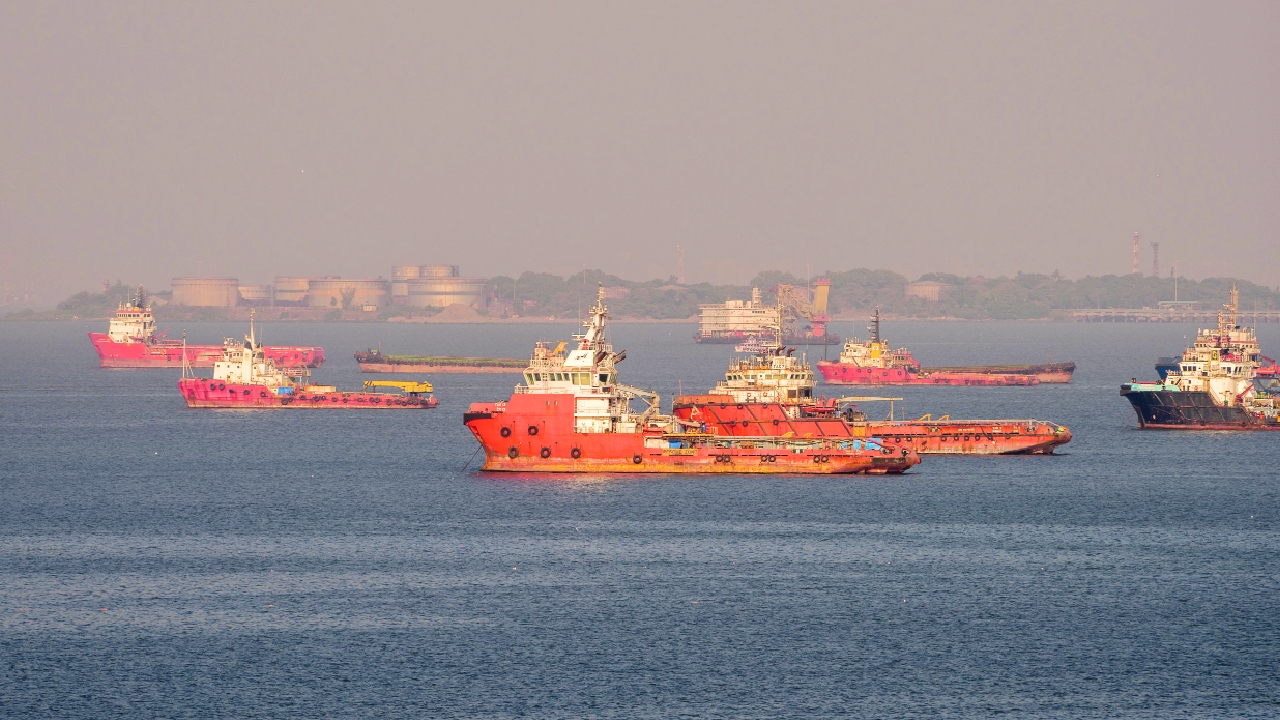
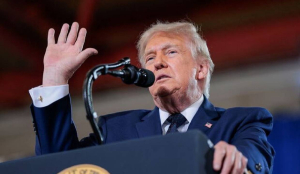
In a blunt and controversial statement, US President Donald Trump has told key allies, including the United Kingdom, to fend for themselves in securing energy supplies amid escalating tensions in West Asia and disruptions in the Strait of Hormuz.
Posting on his social media platform, Truth Social, Trump criticised countries that declined to support recent US-led strikes against Iran, urging them to “go get your own oil” if they face shortages due to instability in the region.
“All of those countries that can’t get jet fuel because of the Strait of Hormuz, like the United Kingdom, which refused to get involved… I have a suggestion for you: Number 1, buy from the U.S., we have plenty, and Number 2, build up some delayed courage, go to the Strait, and just TAKE IT,” Trump wrote.
The US President also signalled a potential shift in Washington’s long-standing security commitments. He indicated that countries may need to take greater responsibility for their own defence, suggesting that the United States may no longer provide the same level of support as in the past.
“You’ll have to start learning how to fight for yourself. The USA. won’t be there to help you anymore, just like you weren’t there for us. Iran has been, essentially, decimated. The hard part is done. Go get your own oil!” he added.
The remarks come more than a month after coordinated military strikes by the United States and Israel on Iranian targets, which have significantly escalated tensions in the region. Despite these operations, Iran continues to exert control over the Strait of Hormuz — a critical maritime chokepoint through which nearly one-fifth of the world’s oil supply passes during peacetime.
Tehran’s actions, including reported attacks on regional energy infrastructure, have sent shockwaves through global markets. Oil prices have surged, stock markets have shown increased volatility, and the cost of essential commodities has risen worldwide, underlining the far-reaching economic consequences of the crisis.
Trump also issued a stern warning to Iran, stating that if a ceasefire is not reached soon and the strait remains blocked, the United States could expand its military campaign. Potential targets, he indicated, may include key energy infrastructure such as the Kharg Island oil export terminal and desalination facilities.
Meanwhile, US allies in the Gulf — many of whom have been directly affected by the conflict — are reportedly urging Washington to maintain pressure until Iran’s military capabilities are significantly weakened. Responding to the rising tensions, Iranian Foreign Minister Abbas Araghchi maintained that Tehran’s actions are defensive in nature and directed solely at US forces in the region. “Our operations are aimed at enemy aggressors who have no respect for Arabs or Iranians, nor can provide any security,” he said in a statement posted on X.
As the situation in the Gulf remains volatile, Trump’s remarks are likely to deepen strains within traditional alliances while raising fresh concerns about global energy security and the future direction of US foreign policy commitments.