After 12 hours of grilling, Pawan Khera appears for day 2 Of questioning
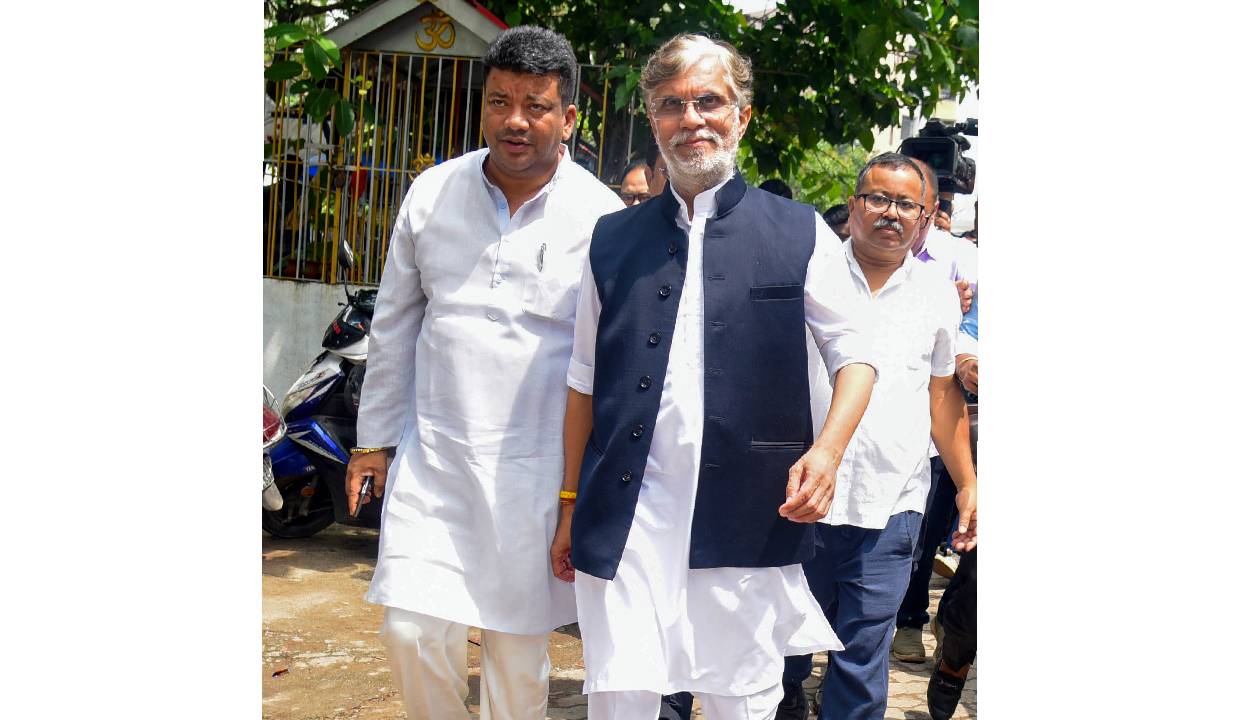
Senior Congress leader Pawan Khera appeared before the Assam Crime Branch for a second consecutive day on May 14 in connection with the passport controversy case linked to Riniki Bhuyan Sarma, wife of Assam Chief Minister Himanta Biswa Sarma.
Khera had earlier faced nearly 12 hours of questioning by Assam Police regarding allegations that forged documents were used during press conferences in which claims were made about Riniki Bhuyan Sarma allegedly possessing multiple passports and offshore assets.
Speaking to reporters after coming out of the Crime Branch office in Guwahati, Khera said he was cooperating fully with the investigation and respecting legal procedures.
“We are all law-abiding people. We do our work. I am co-operating with them,” Khera told reporters.
When questioned about the lengthy interrogation and the motive behind it, the Congress leader declined to comment. Referring to the documents under scrutiny, he said, “The documents you have seen on Facebook.”
Khera also indicated that investigators had sought additional documents from him and confirmed that he would appear again before the Crime Branch.
Congress MP Gaurav Gogoi also visited the Crime Branch office during Khera’s appearance and accused the BJP government of misusing investigative agencies against opposition leaders.
Gogoi alleged that the FIR against Khera was aimed at suppressing discussions regarding alleged illegal wealth and properties linked to the Assam Chief Minister’s family. He further claimed that agencies such as the CBI, ED, Income Tax Department and police were increasingly being used against opposition leaders, journalists, students and activists.
The Congress leader also raised issues related to Assam, including the pending grant of Scheduled Tribe status to six communities, delays in the National Register of Citizens (NRC) process and implementation of the Assam Accord.
The Congress additionally criticised the BJP over the Uniform Civil Code (UCC), alleging that the ruling party was using the issue for political purposes and warning that its implementation could weaken traditional protections and customs of Scheduled Tribes across the country.